 Home
Home Engineering Projects
 CGI
CGI Faelestial Archive
 Research Manuscript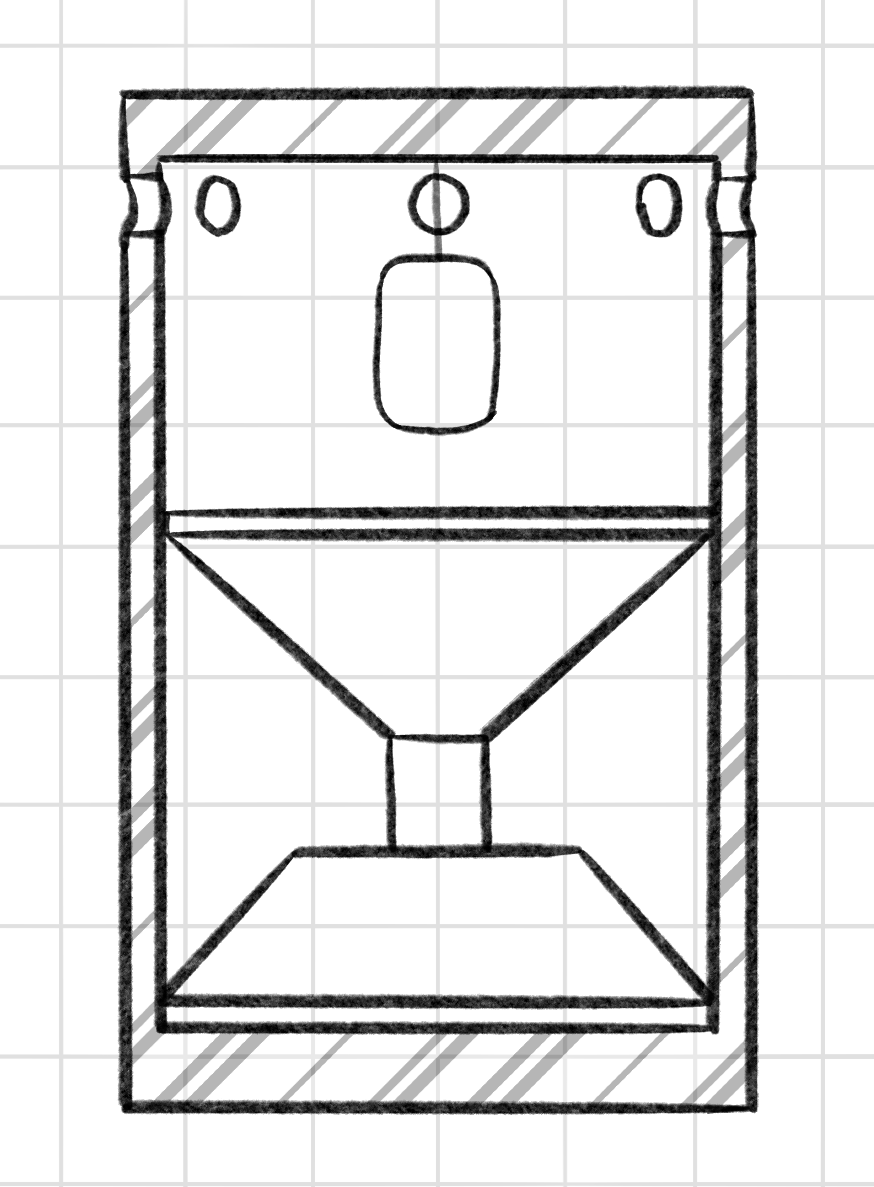
Step 01
Initial Concept
The drawing established the upper chamber, entry openings, funnel, and lower collection zone. I used it as the reference for rebuilding the trap in Blender.
CGI • CAD • Research • Scientific Communication
I use Blender, CAD, animation, and additive manufacturing to turn engineering concepts into clear visual stories. This page highlights selected visualization work from my UC Merced capstone and research projects.
Animated assembly sequence for the autonomous beetle detection platform.
My capstone work focused on building the digital model, explaining the internal structure, and producing polished presentation visuals for the final prototype.
The drawing established the upper chamber, entry openings, funnel, and lower collection zone. I used it as the reference for rebuilding the trap in Blender.
I converted the completed Blender model into a labeled orthographic blueprint explaining the entrance holes, pheromone cage, funnel, and collection zone. The graphic was approved for the final capstone presentation.
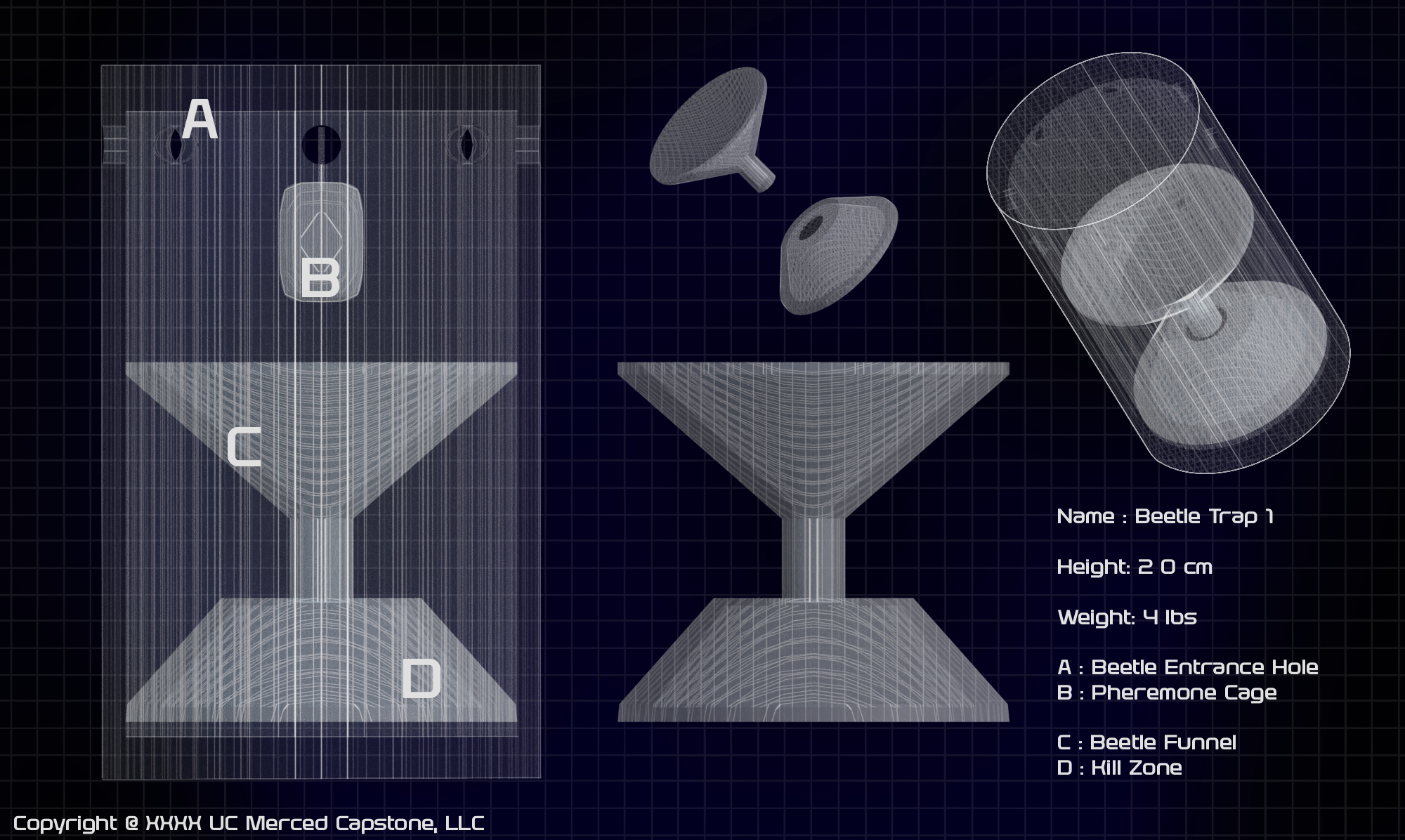
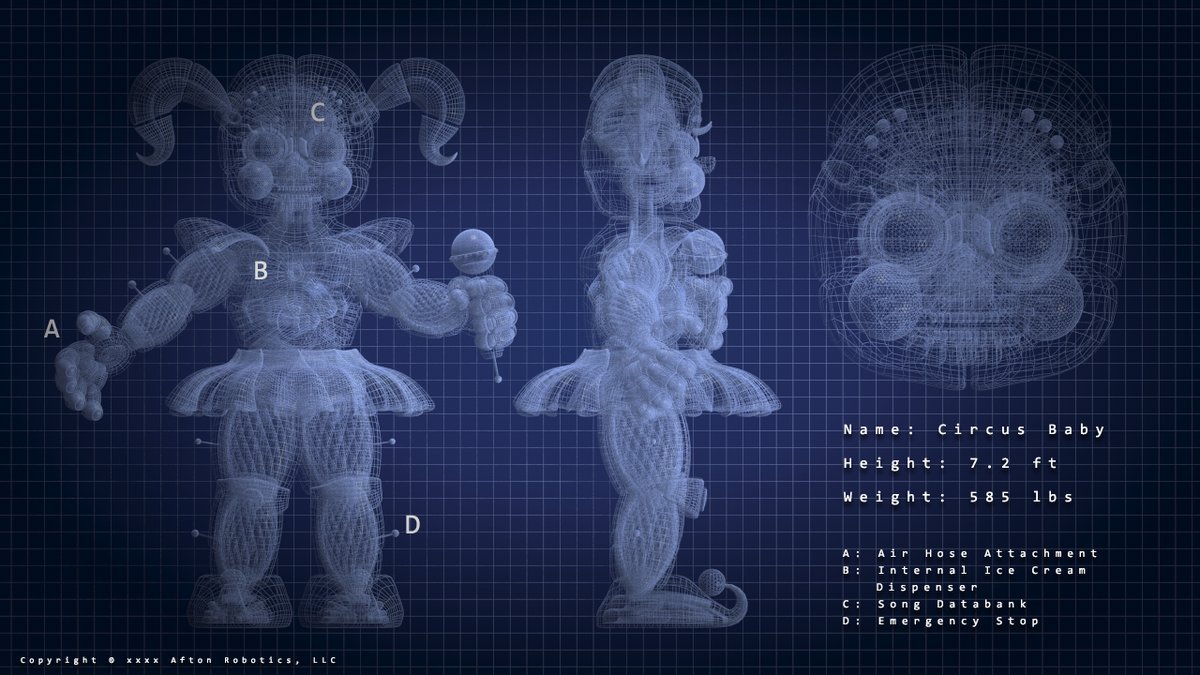
The layout was inspired by the technical character sheets from Five Nights at Freddy's, then adapted into a clean engineering communication graphic.
A truss-like frame supports the funnel, heat sink, and camera while giving the trap a distinctive form.
An early conical mesh concept placed an active region around the pheromone source before the idea was removed.
A full rotation used to inspect exterior proportions and communicate the assembled design.
Line rendering translated the 3D model into defined technical outlines.
An early assembly animation before camera motion and final rendering were added.
The camera and wiring show how sensing hardware connects to the enclosure.
A custom USB-C cable was modeled and animated to move naturally with the assembly.
A later pass combining camera, cabling, trap body, hardware, and enclosure.
Finished turntables present the completed trap from multiple angles without overwhelming the page.
Full-color materials with pencil-line overlays.
White-background presentation emphasizing silhouette and technical linework.
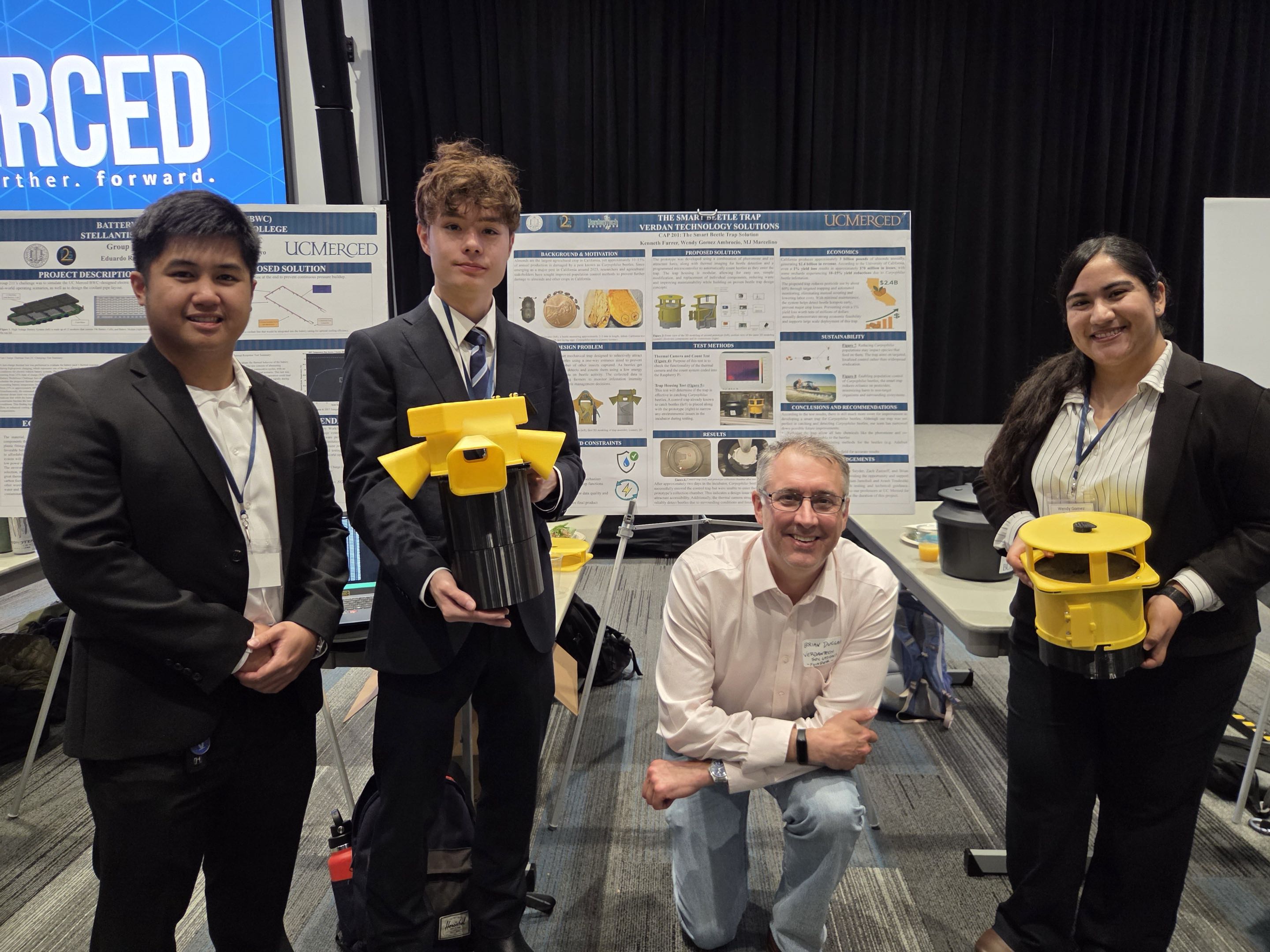
The finished prototype was presented at the UC Merced capstone showcase with Brian Duggan, the VerdanTech Solutions client representative, standing in the center.
Working with Dr. Danzi, I produced CGI concepts for a metamaterial cell capable of transitioning between soft and rigid states before the final design was fabricated.
The first design used a hinge and shape-memory section. The simulated contraction appeared too extreme, so the mechanism was revised.
The second version used hinges and sliders, but it introduced more complexity than the research concept required.
The final concept placed bending shape-memory members inside the cell, creating a cleaner and manufacturable system.
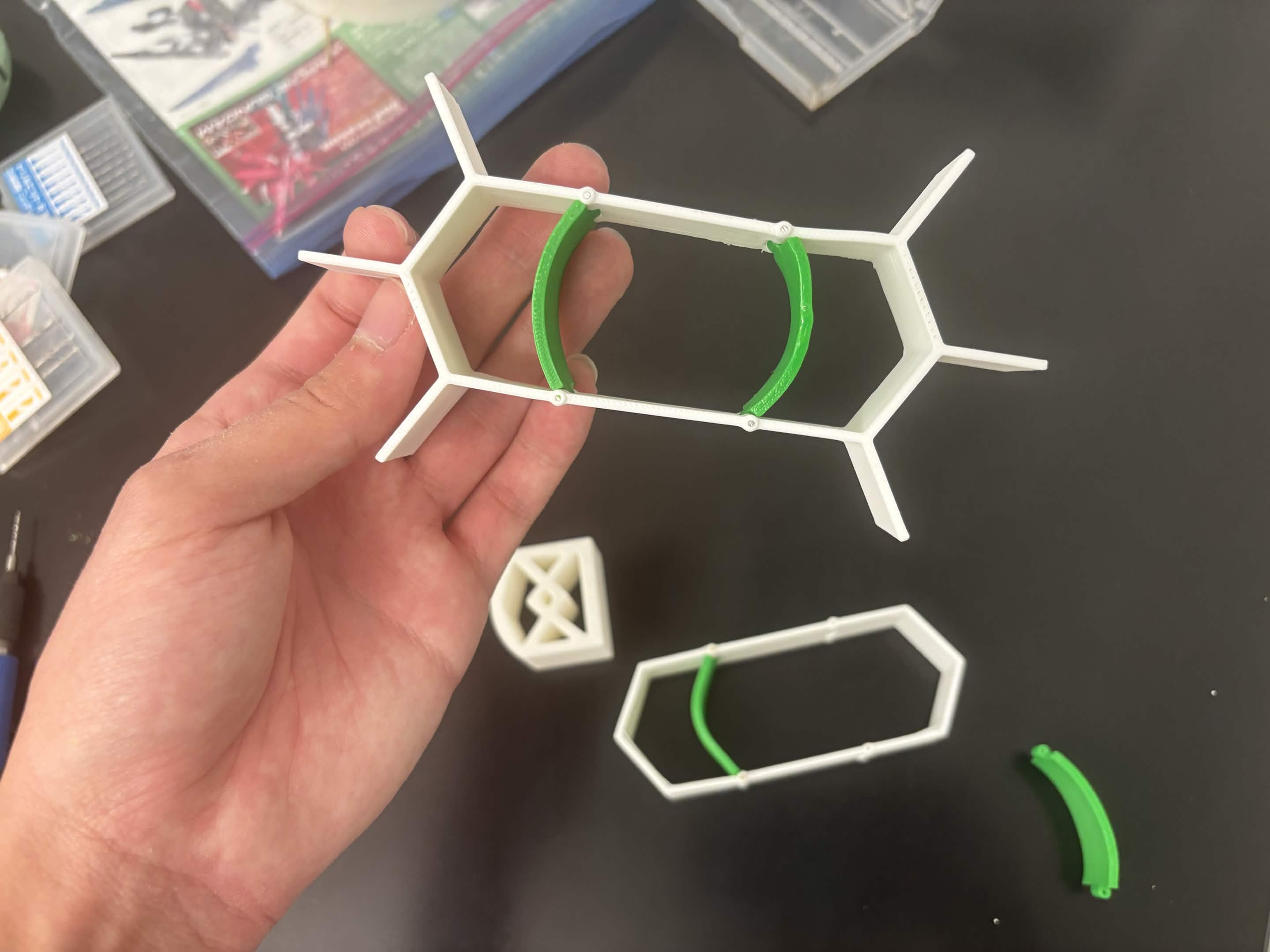
White rigid PLA and green shape-memory members translated the final CGI into a physical research model.
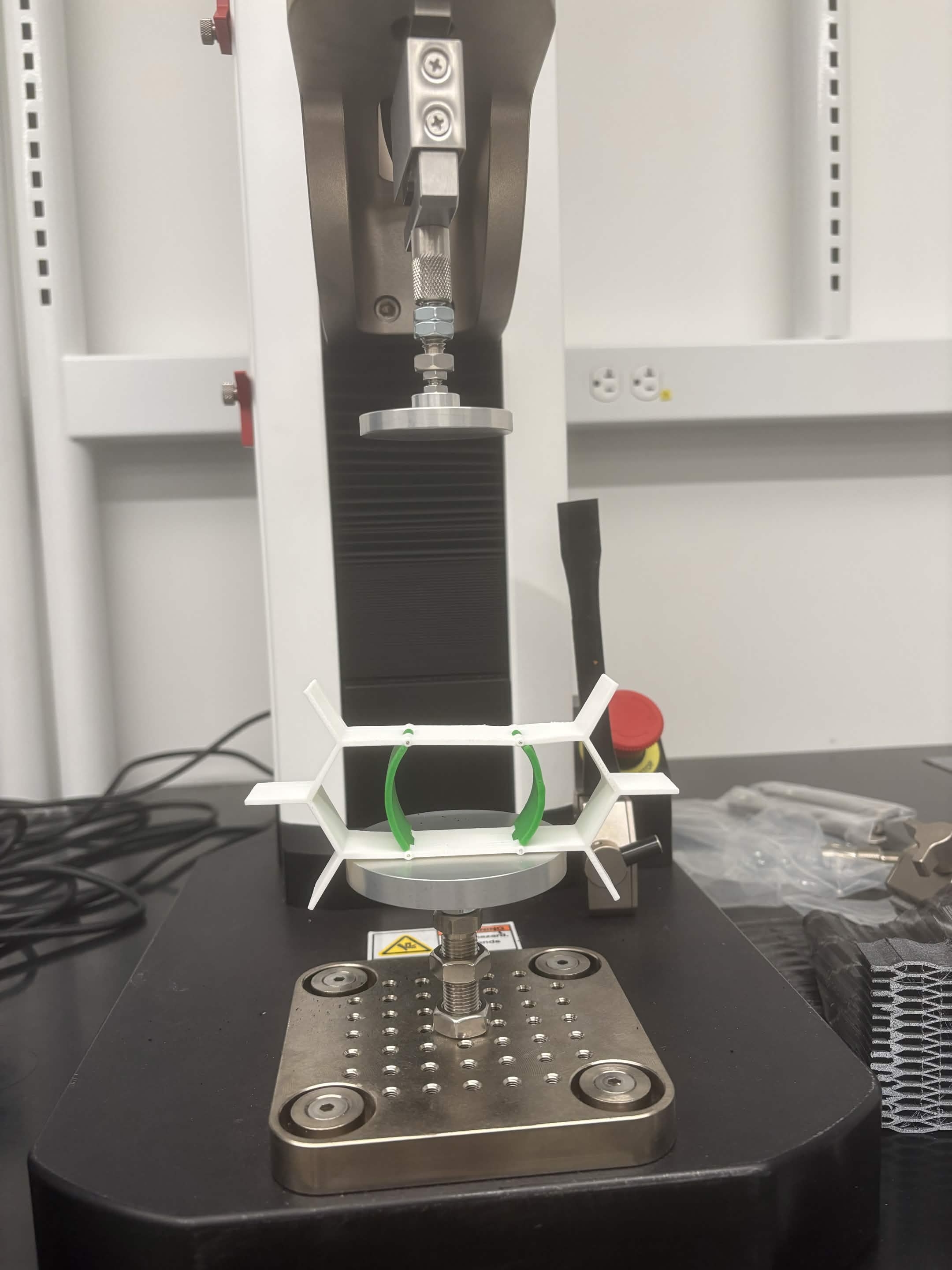
The prototype was positioned for future stiffness and deformation measurements.
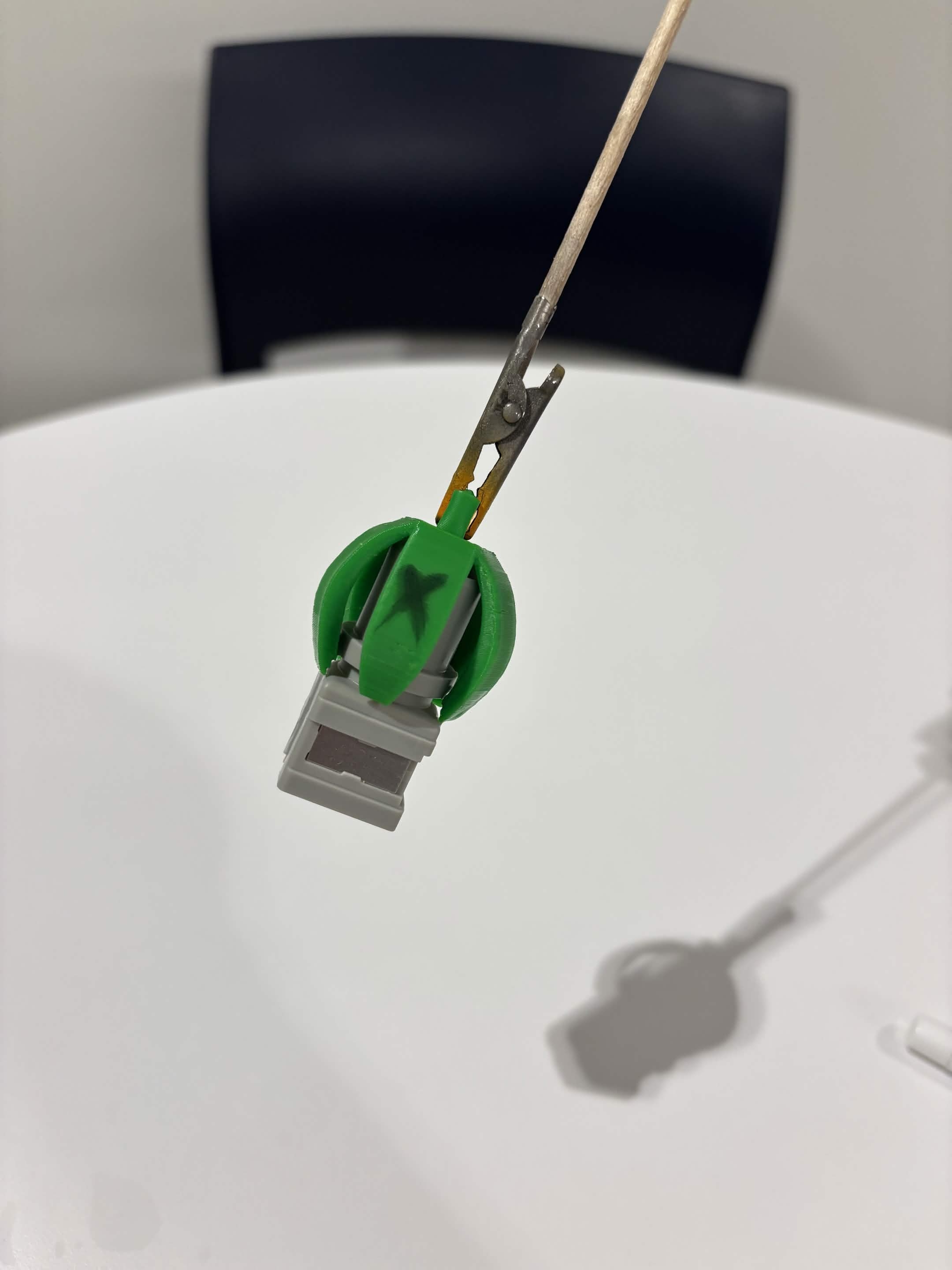
A proof-of-concept claw explored training, heating, opening, closing, and object-holding behavior.
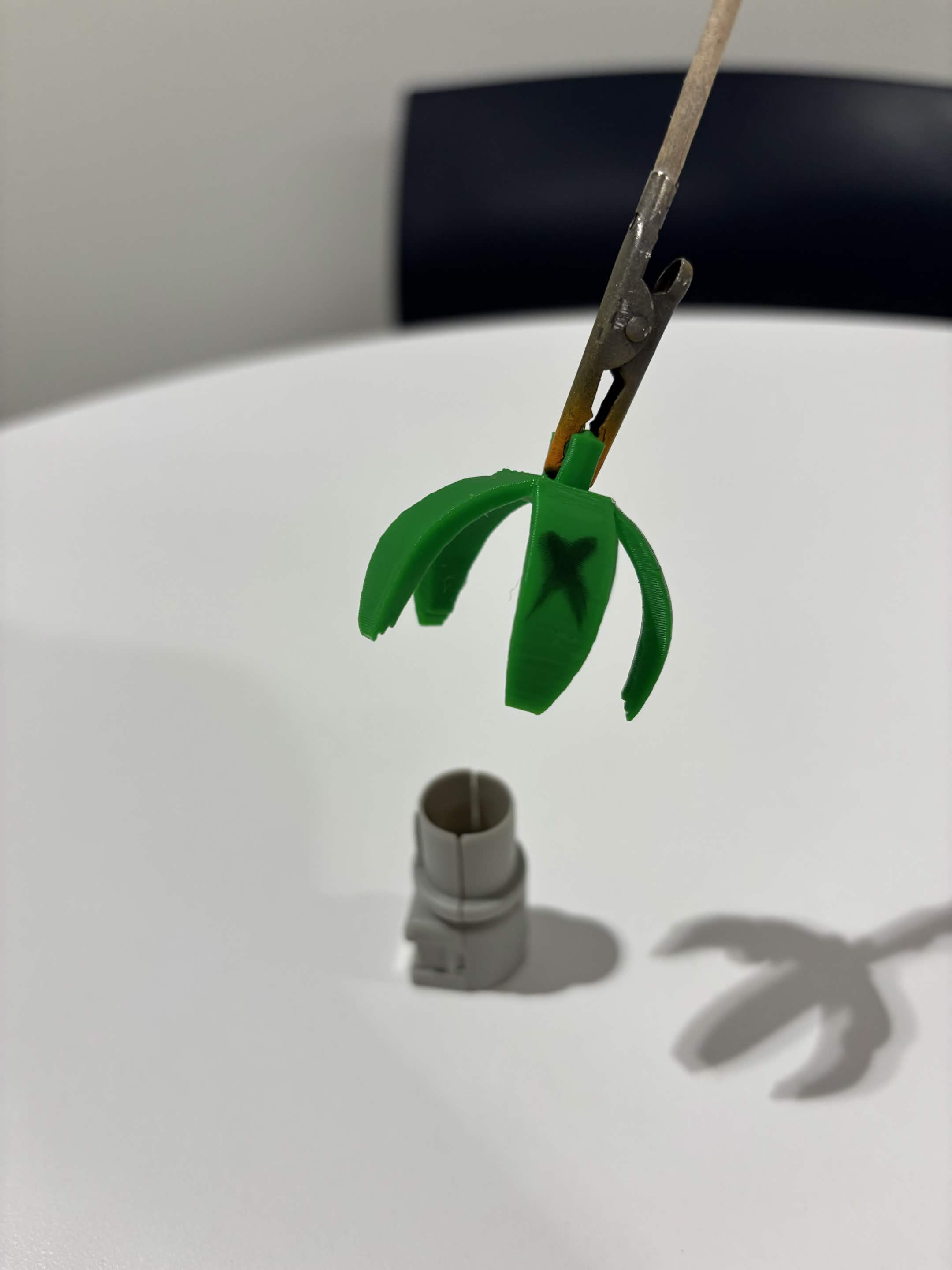
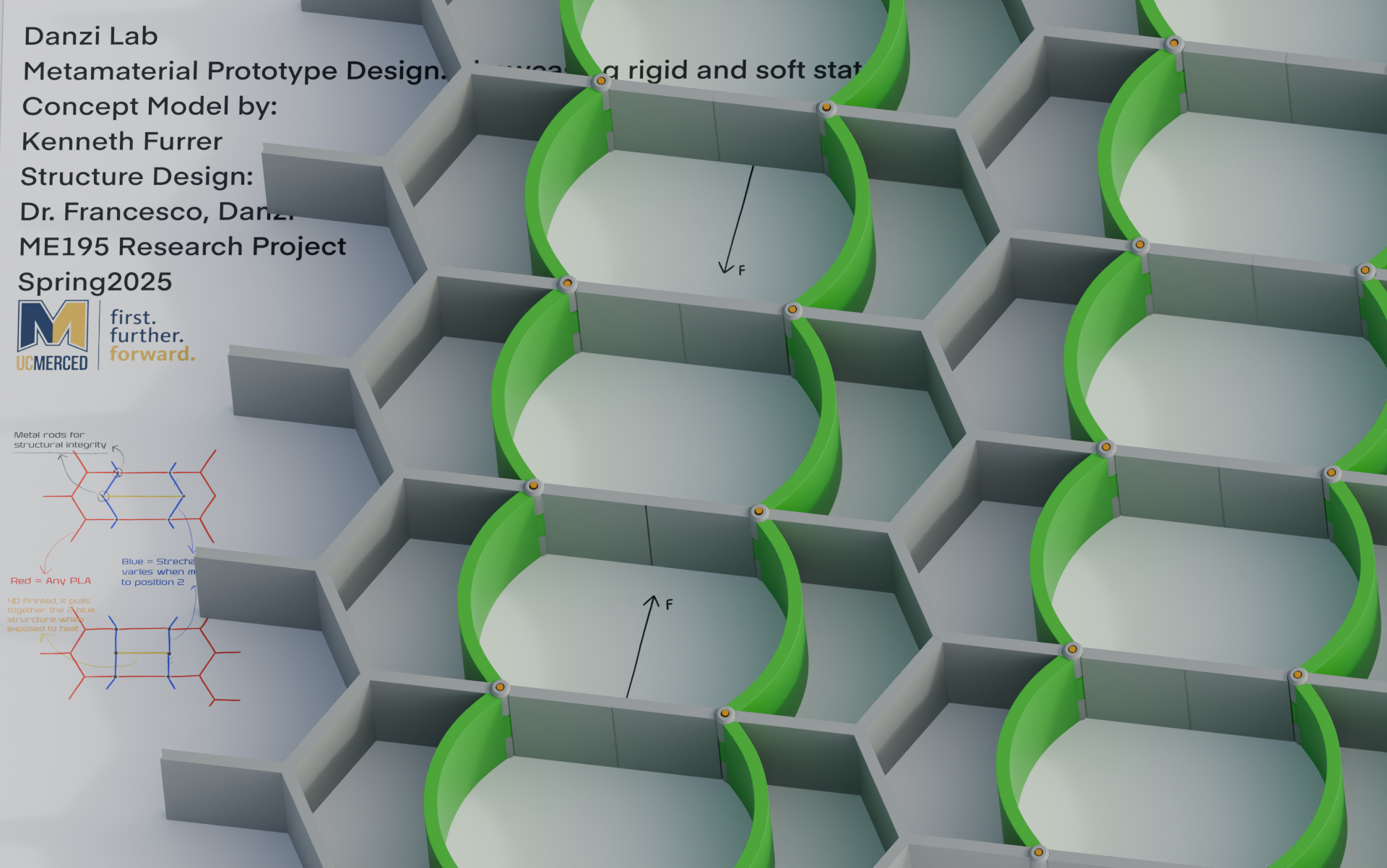
The animation shows the white rigid structure and green 4D members operating together, then expands the single cell into a repeating lattice.
Dr. Danzi asked me to translate a kirigami-inspired morphing wing into a Blender visualization.
I reviewed stretching and bending behavior before rendering.
Concept-level airflow visualization, not validated CFD data.