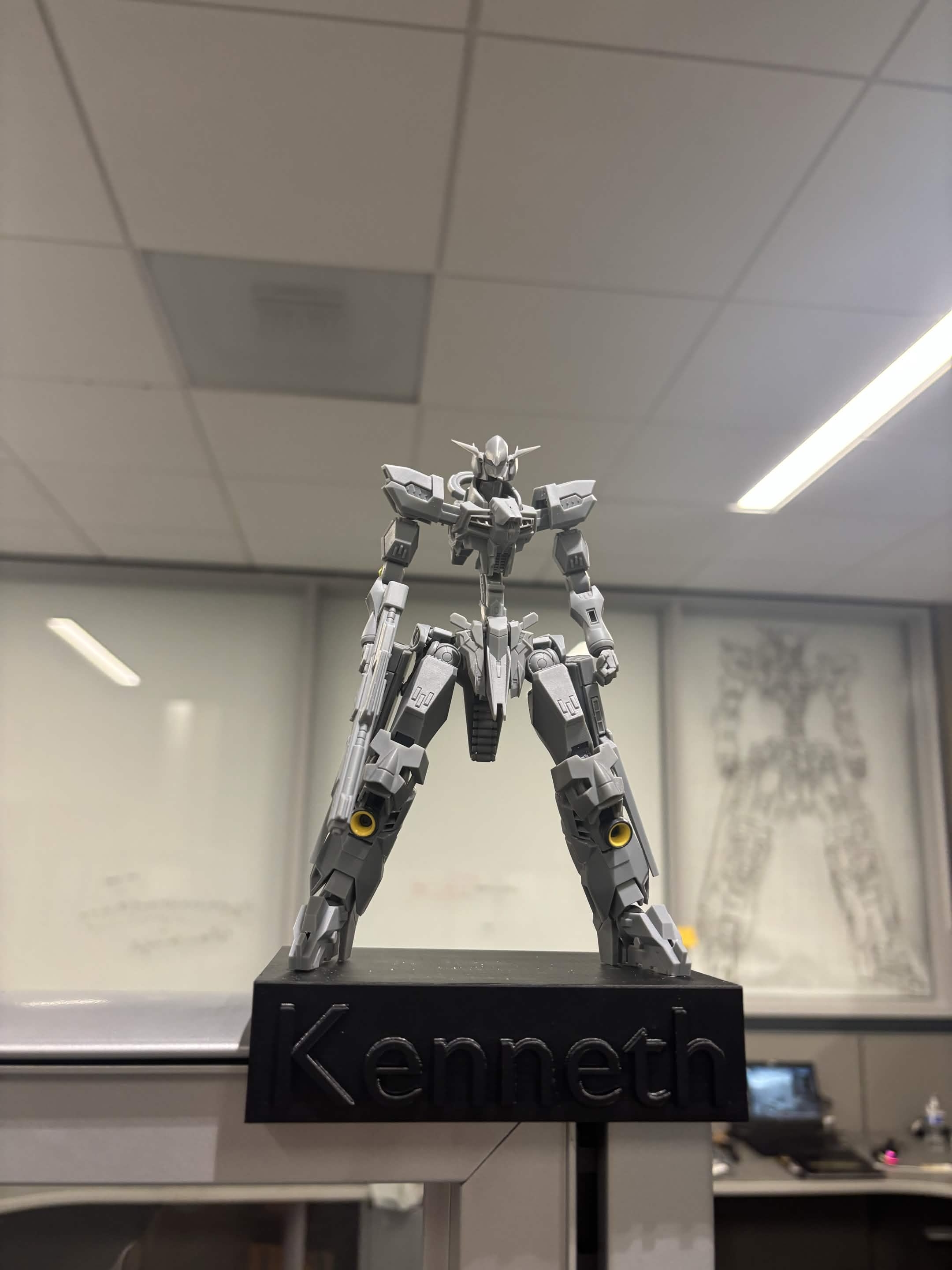
FGX-001 Faelestial Gundam
A multi-year original mobile suit project by Kenneth Furrer, documenting scratch building, silicone molding, resin casting, Blender modeling, resin printing, animation, redesign, and engineering visualization.
 Home
Home Engineering Projects
 CGI
CGI Faelestial Archive
 Research Manuscript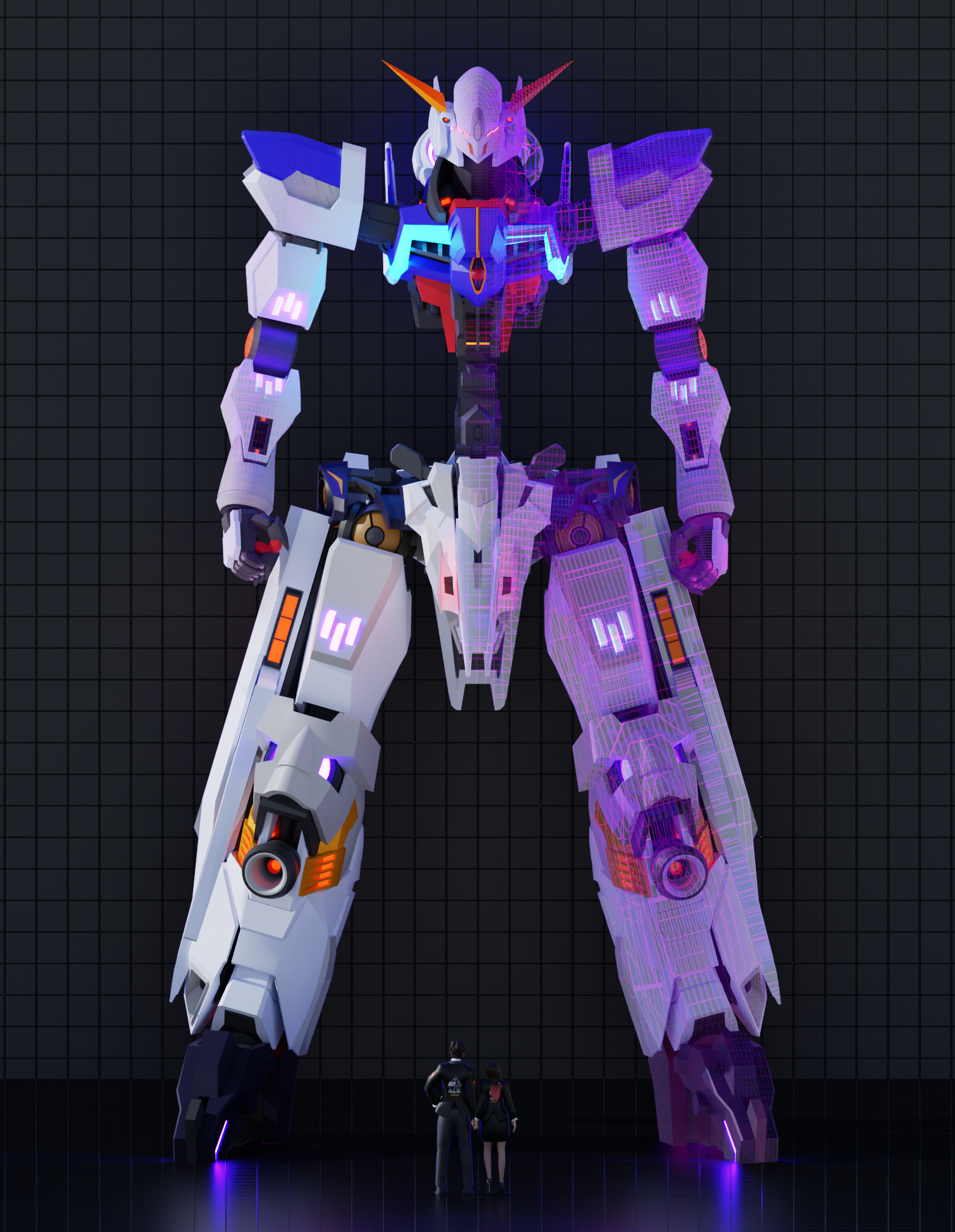
Project Overview
> creator: Kenneth Furrer
> online alias: Kenneth Crafter
> focus: design, fabrication, 3D modeling, resin printing, animation
> current phase: redesign and archive rebuild
Faelestial Gundam is my long-term original mobile suit project. It began as a physical custom Gundam build and gradually evolved into a full design and fabrication archive involving scratch-built parts, silicone molds, resin casting, Blender modeling, resin printing, rendering, animation, and technical documentation.
The project started from a simple goal: create a Gundam that matched the machine I imagined in my head. Over time, that goal expanded into a much larger design challenge. I wanted the mobile suit to feel elegant, functional, and physically believable. I wanted it to move naturally, support a pilot-centered cockpit concept, and combine mechanical engineering logic with the emotional design language of mecha.
Faelestial Gundam became a place where my interests in engineering, fabrication, art, animation, and storytelling all connected. This archive records the full development process: what worked, what failed, what was redesigned, and what I learned from each stage.
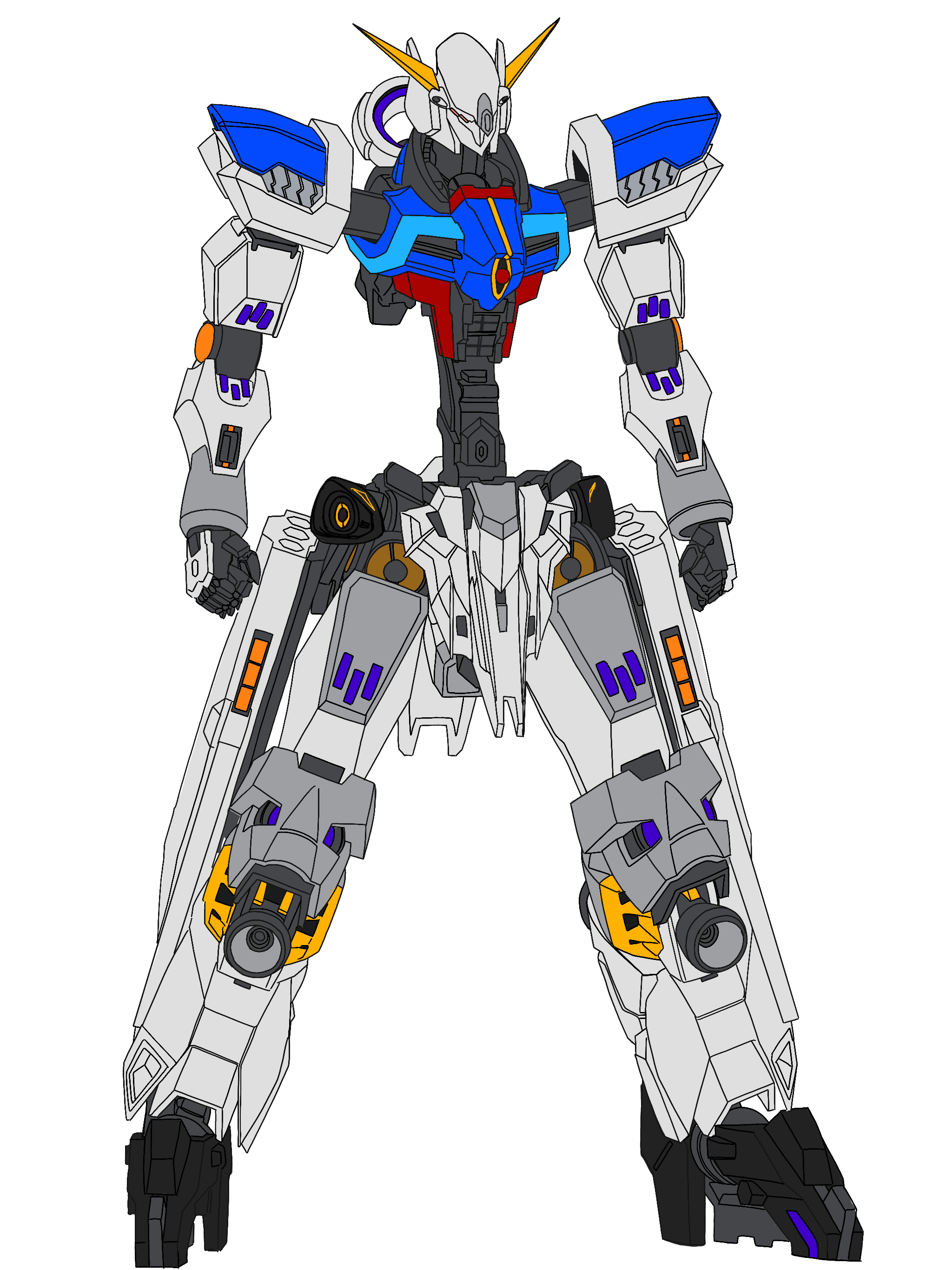
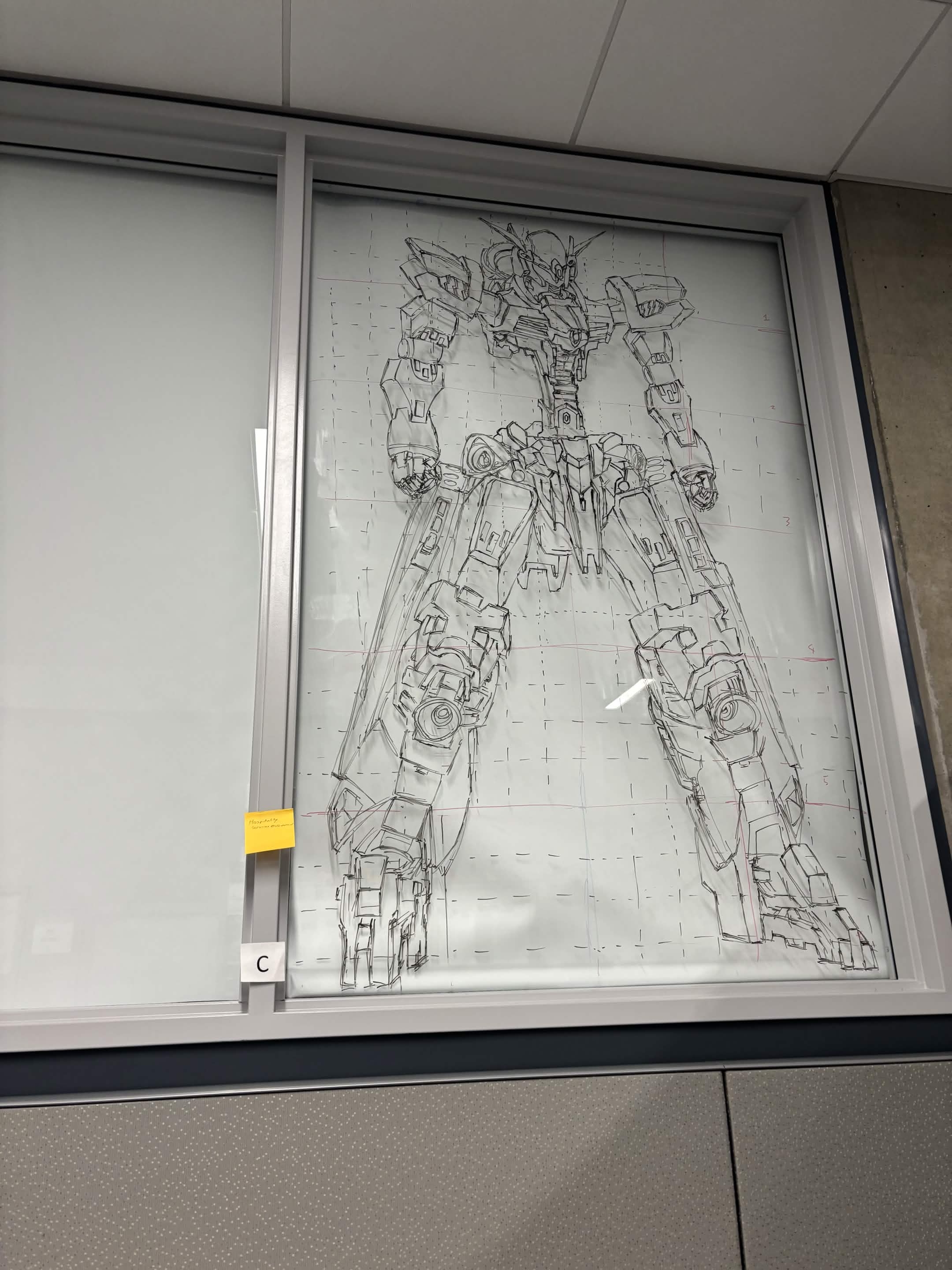
Faelestial Gundam Line Art
Final orthographic concept artwork establishing the overall proportions, silhouette, and mechanical language before fabrication and digital refinement.
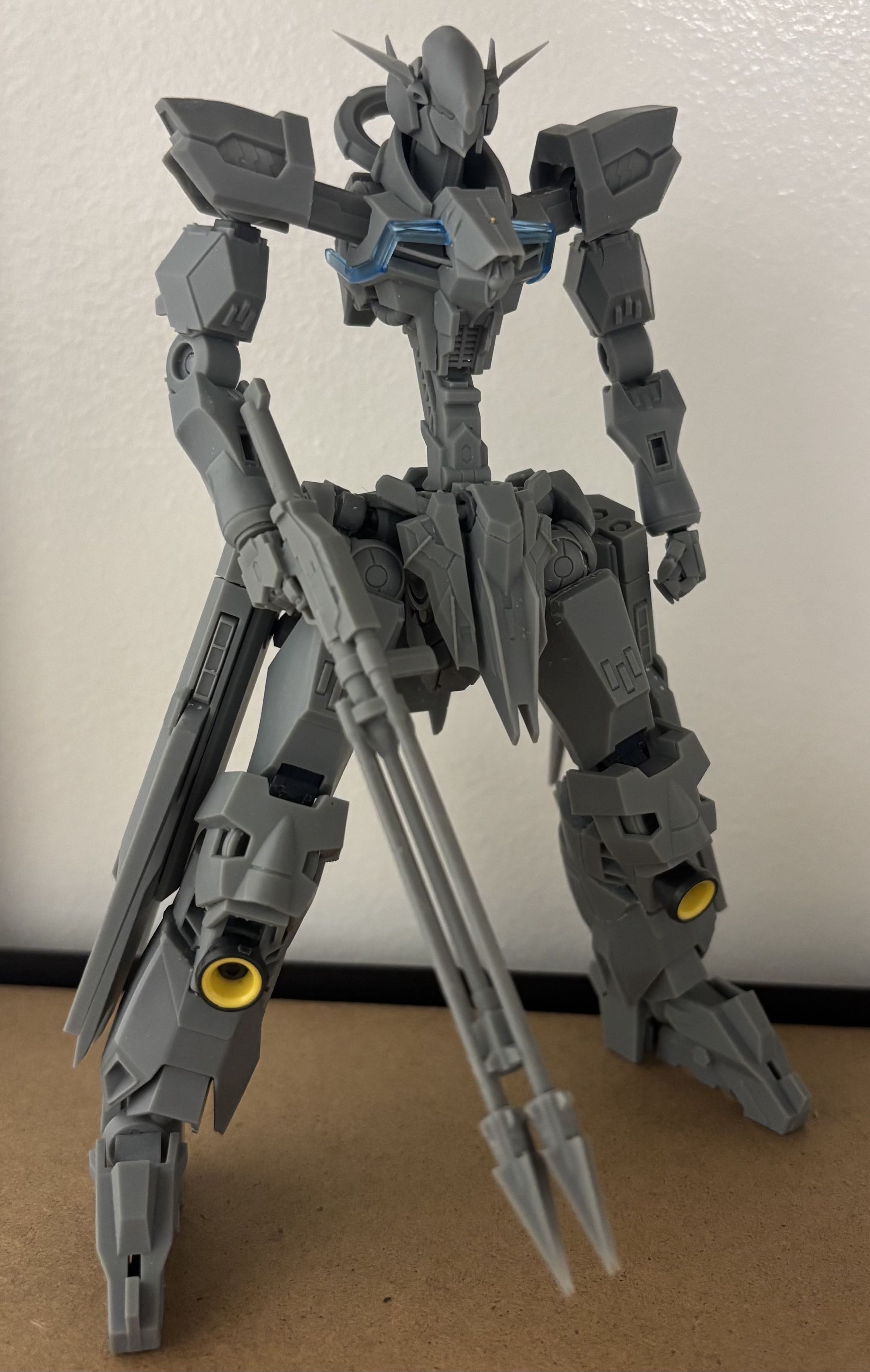
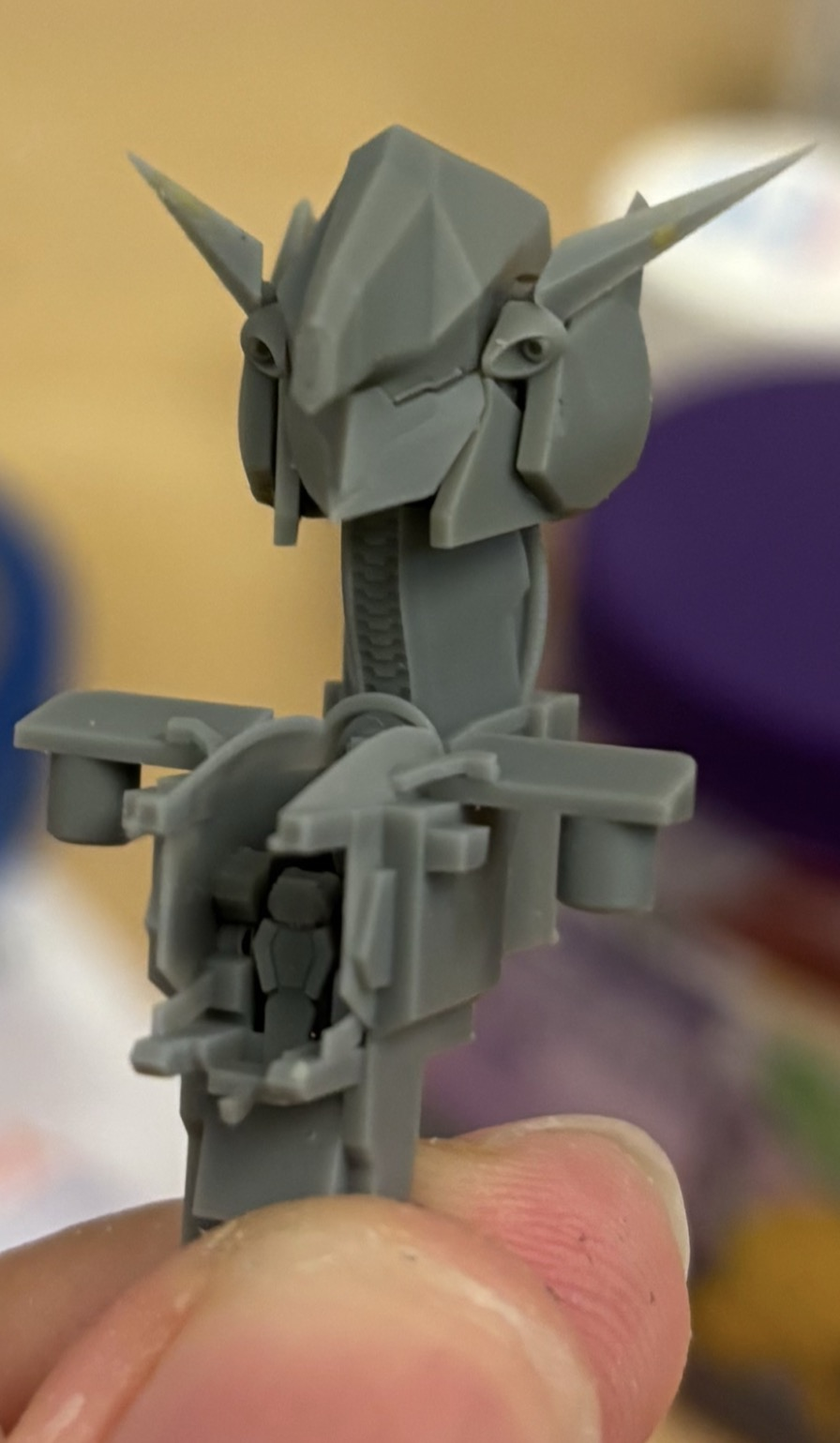
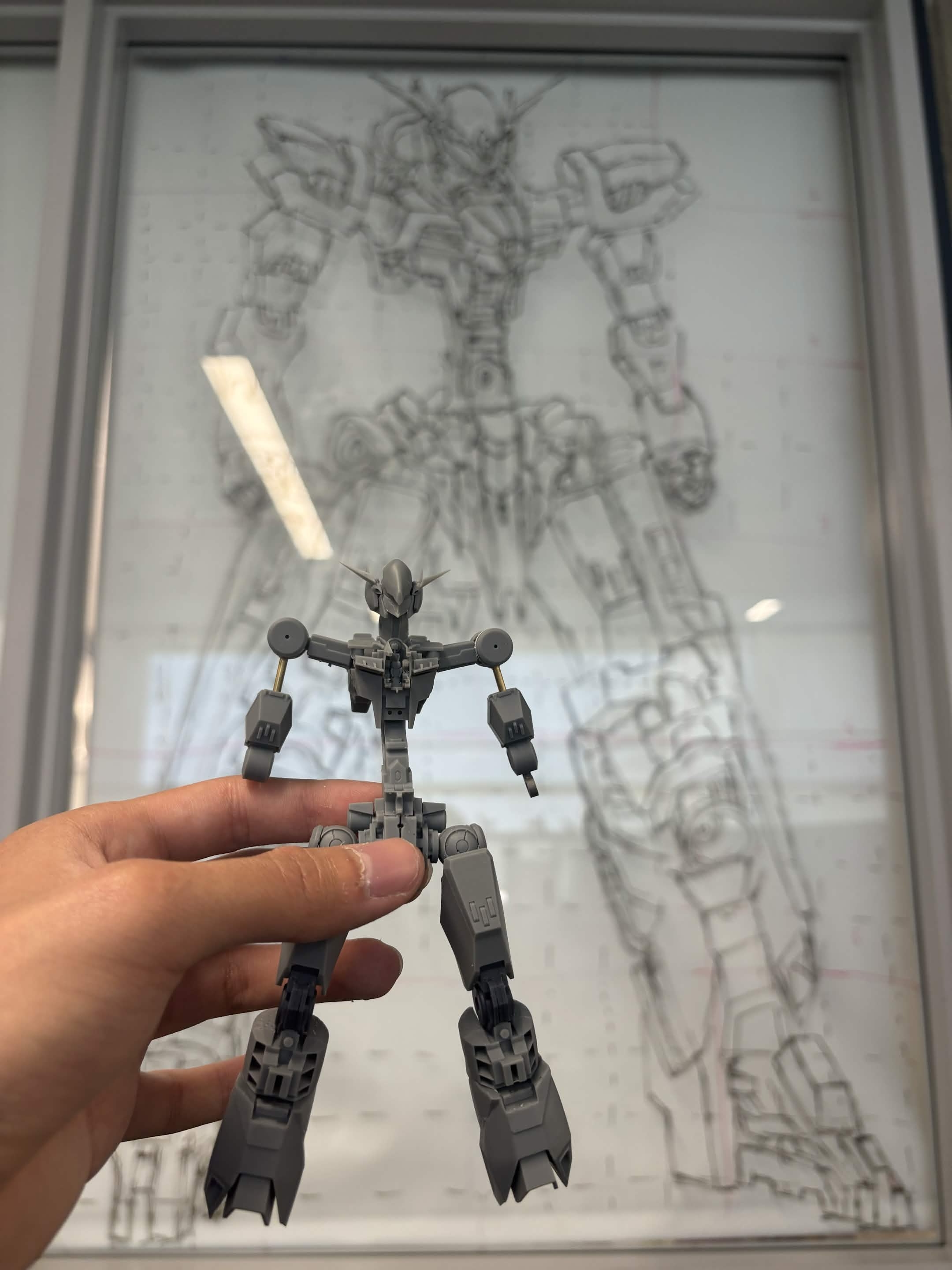
Resin Prototype
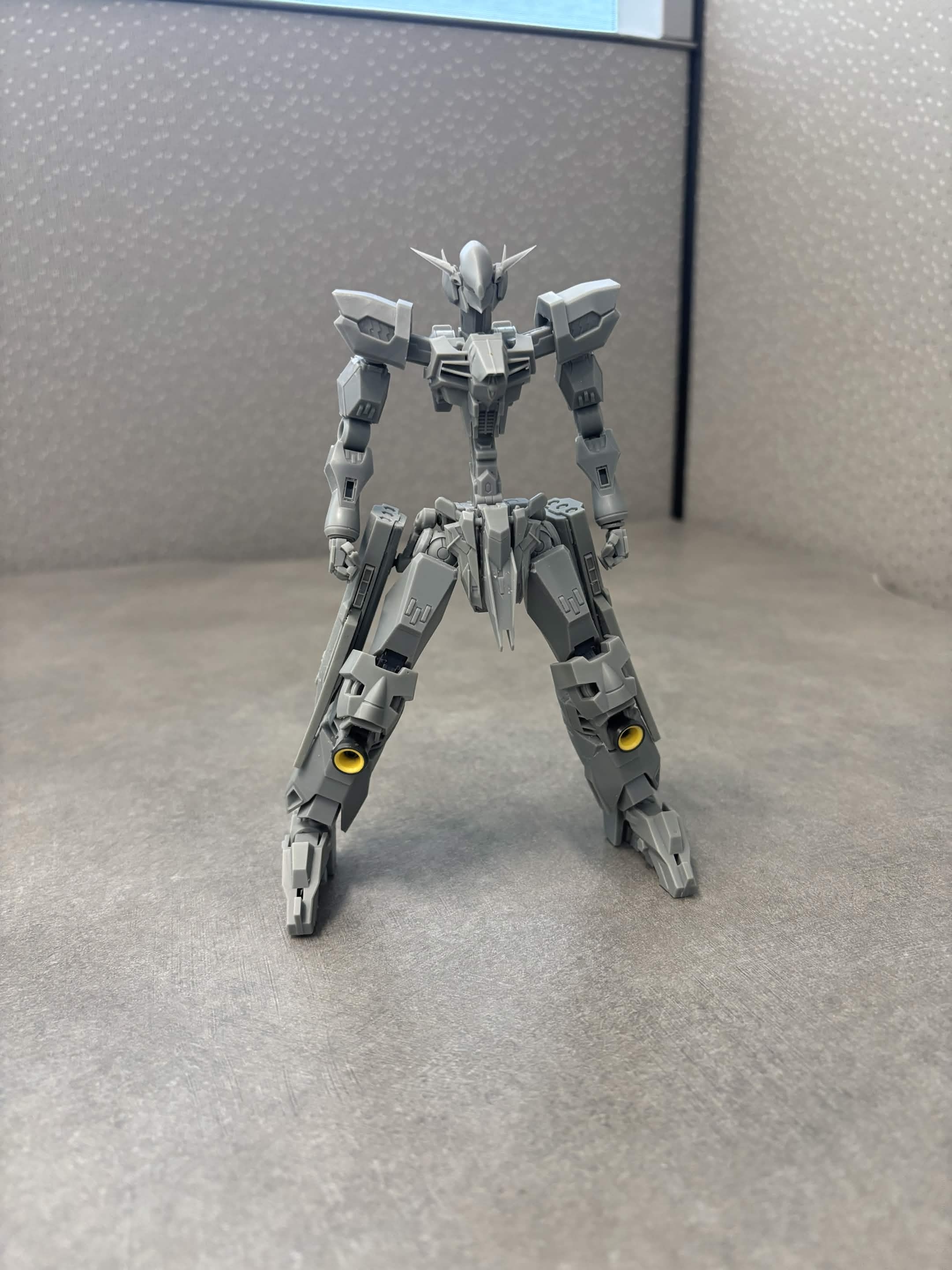
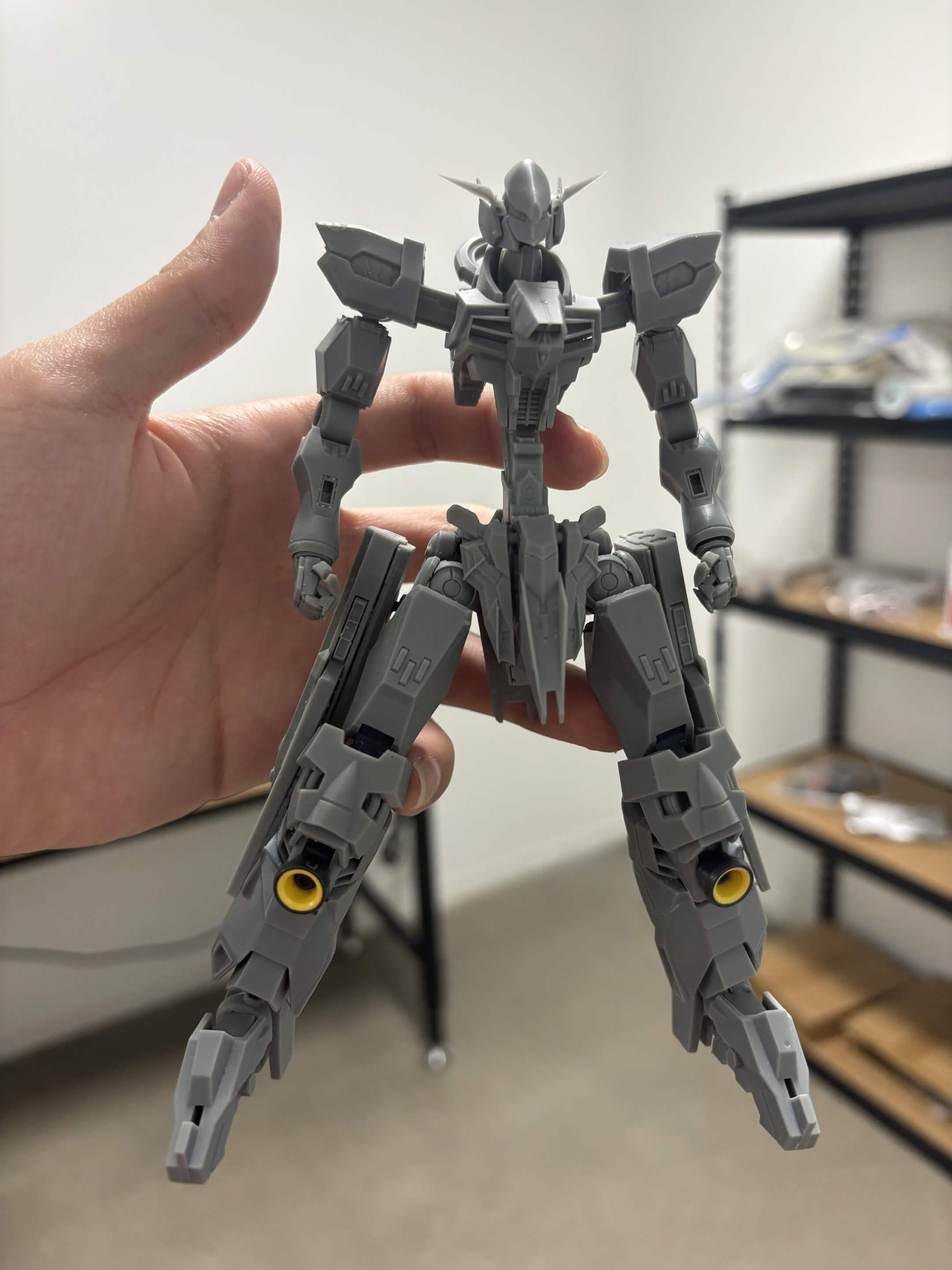
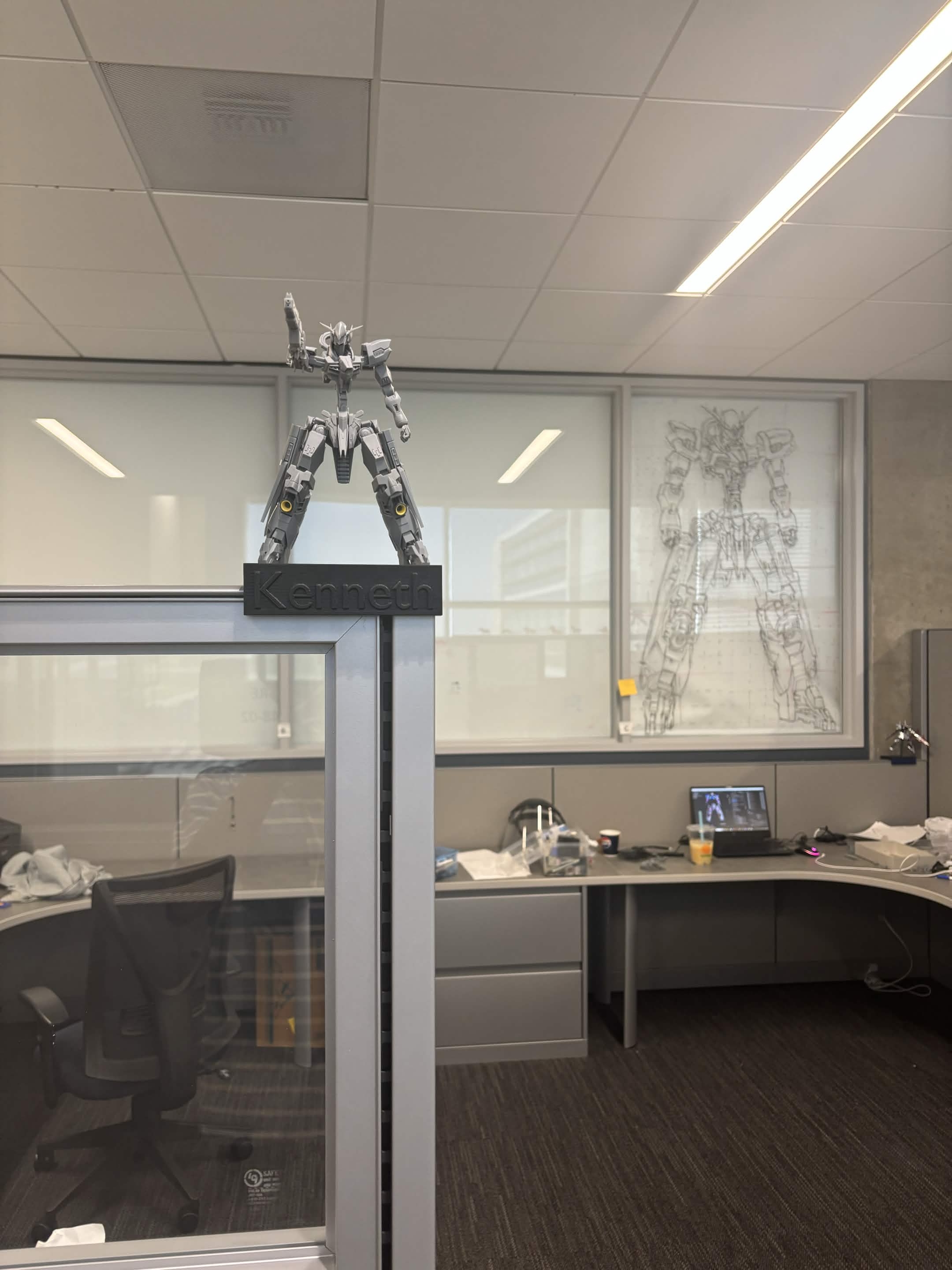
Fully articulated resin prototype validating joint placement, articulation, and overall mechanical proportions before later redesigns.
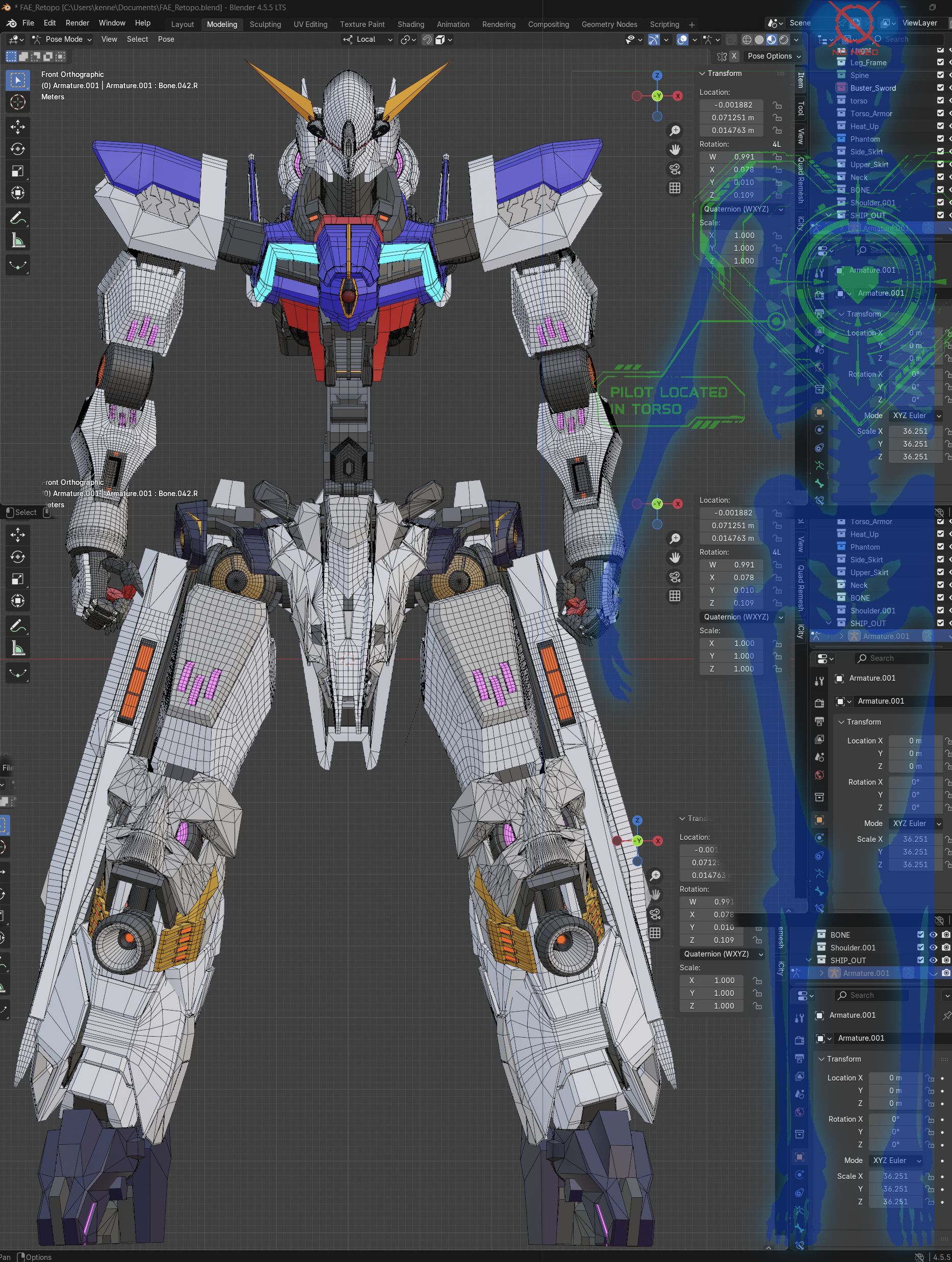
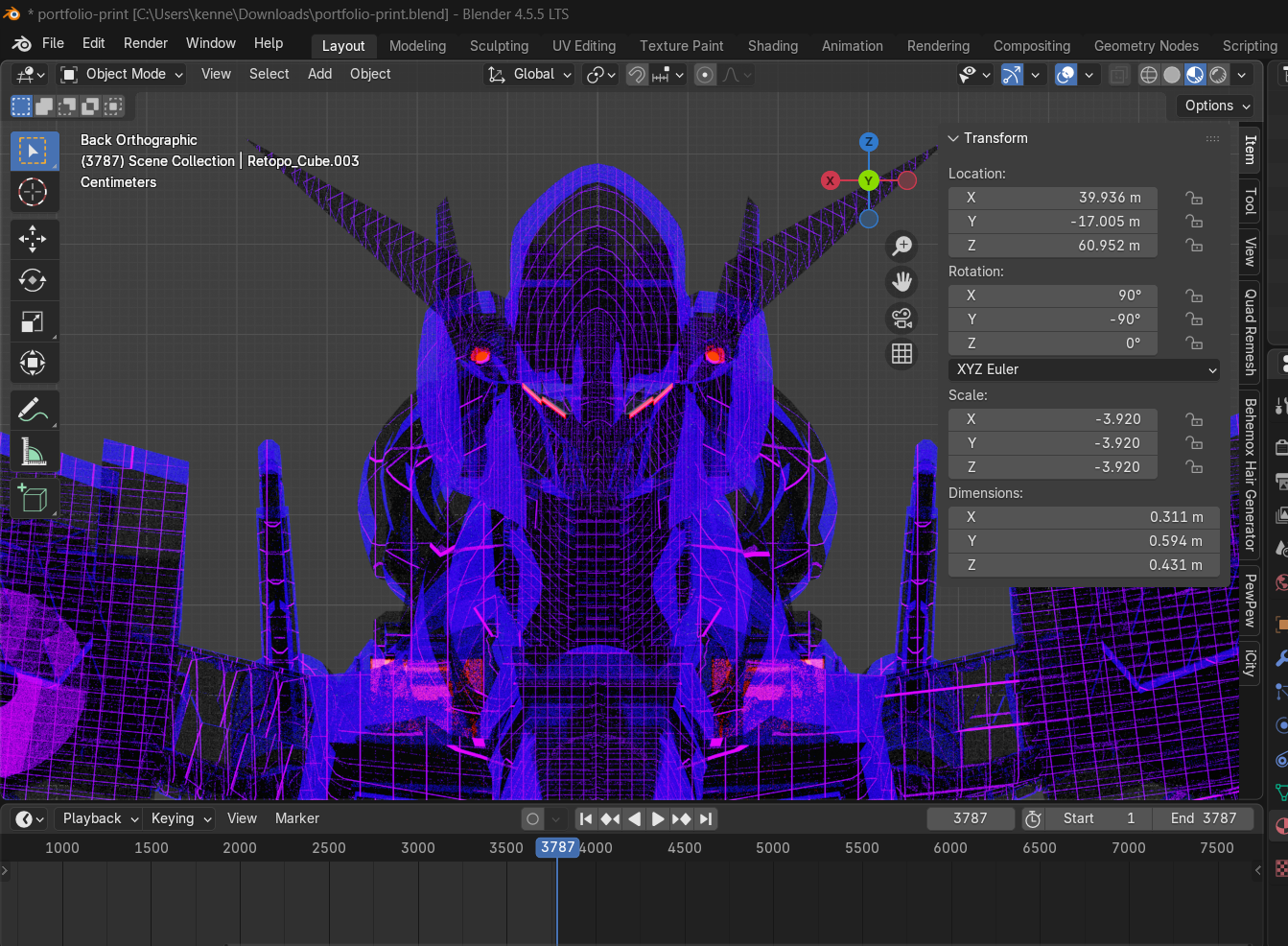
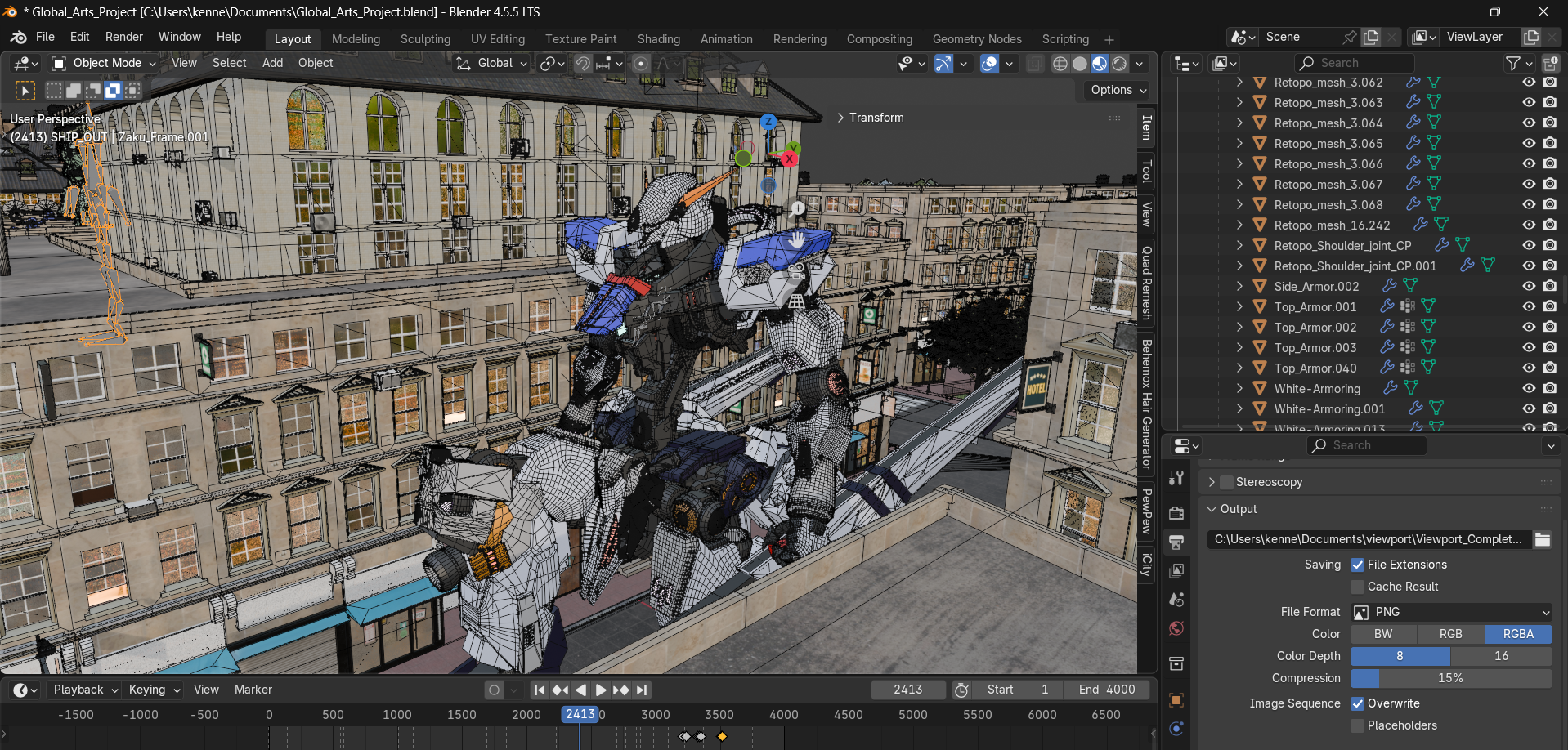
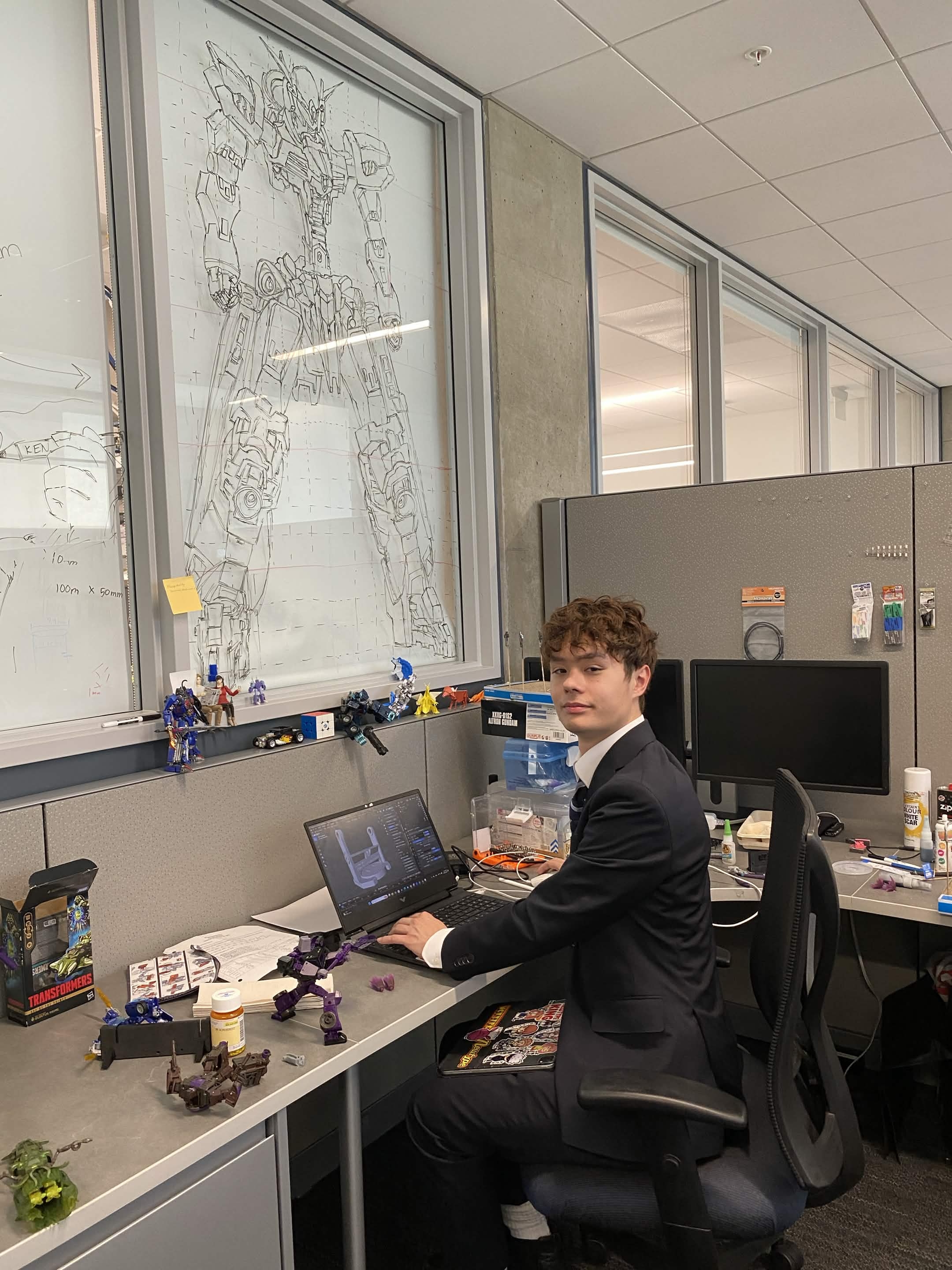
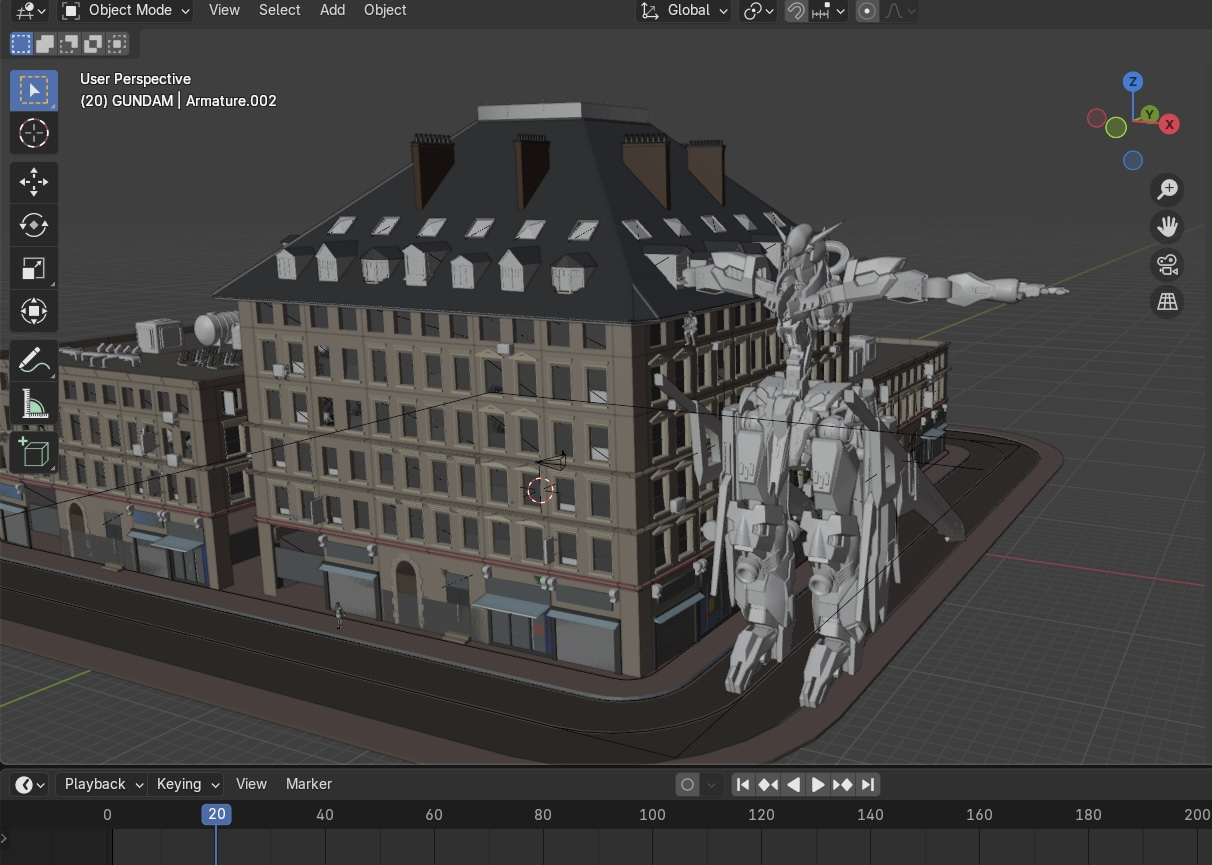
Blender Workspace
The primary Blender workspace where Faelestial evolved from physical fabrication into digital engineering, visualization, rendering, and future development.
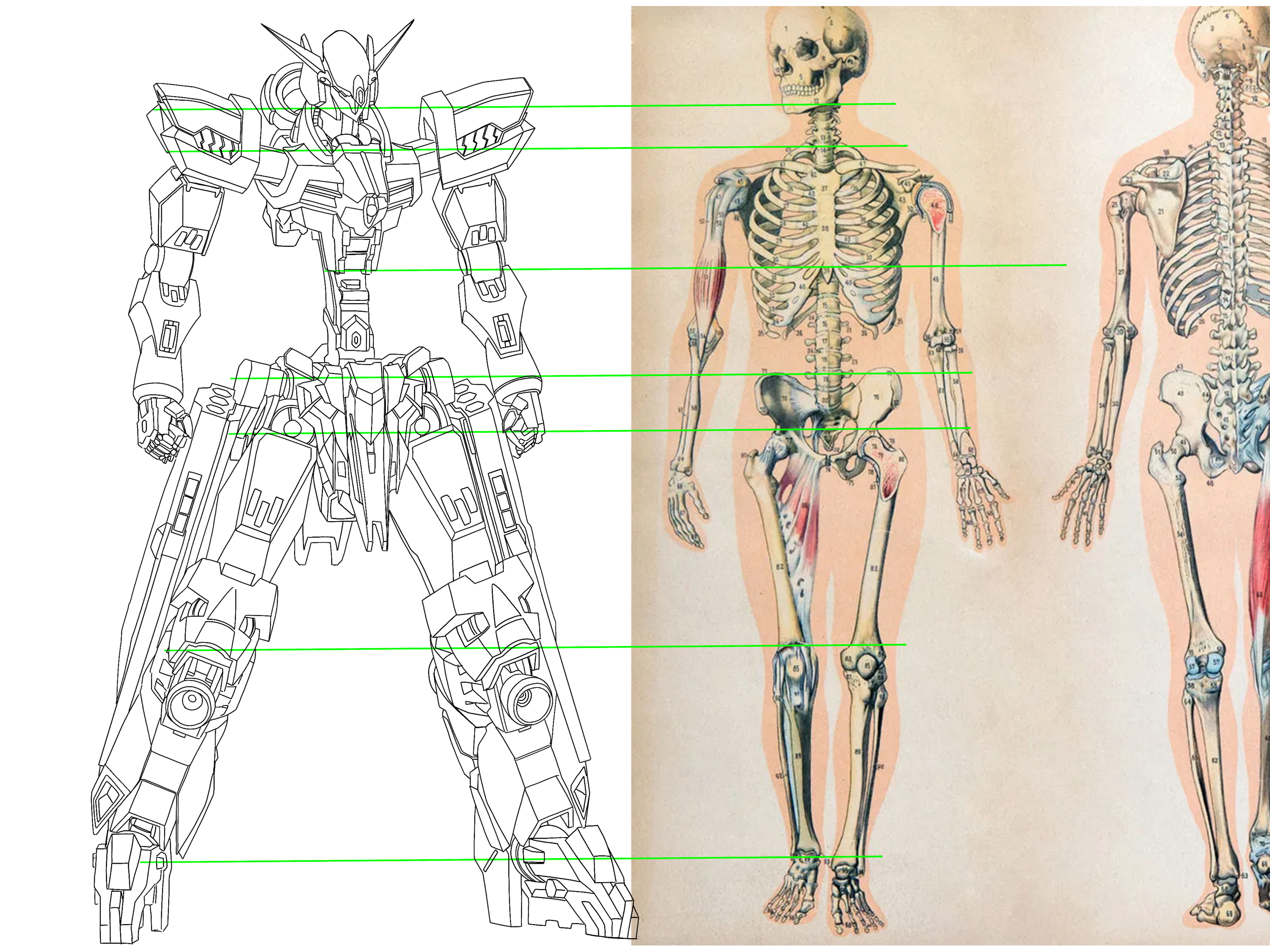
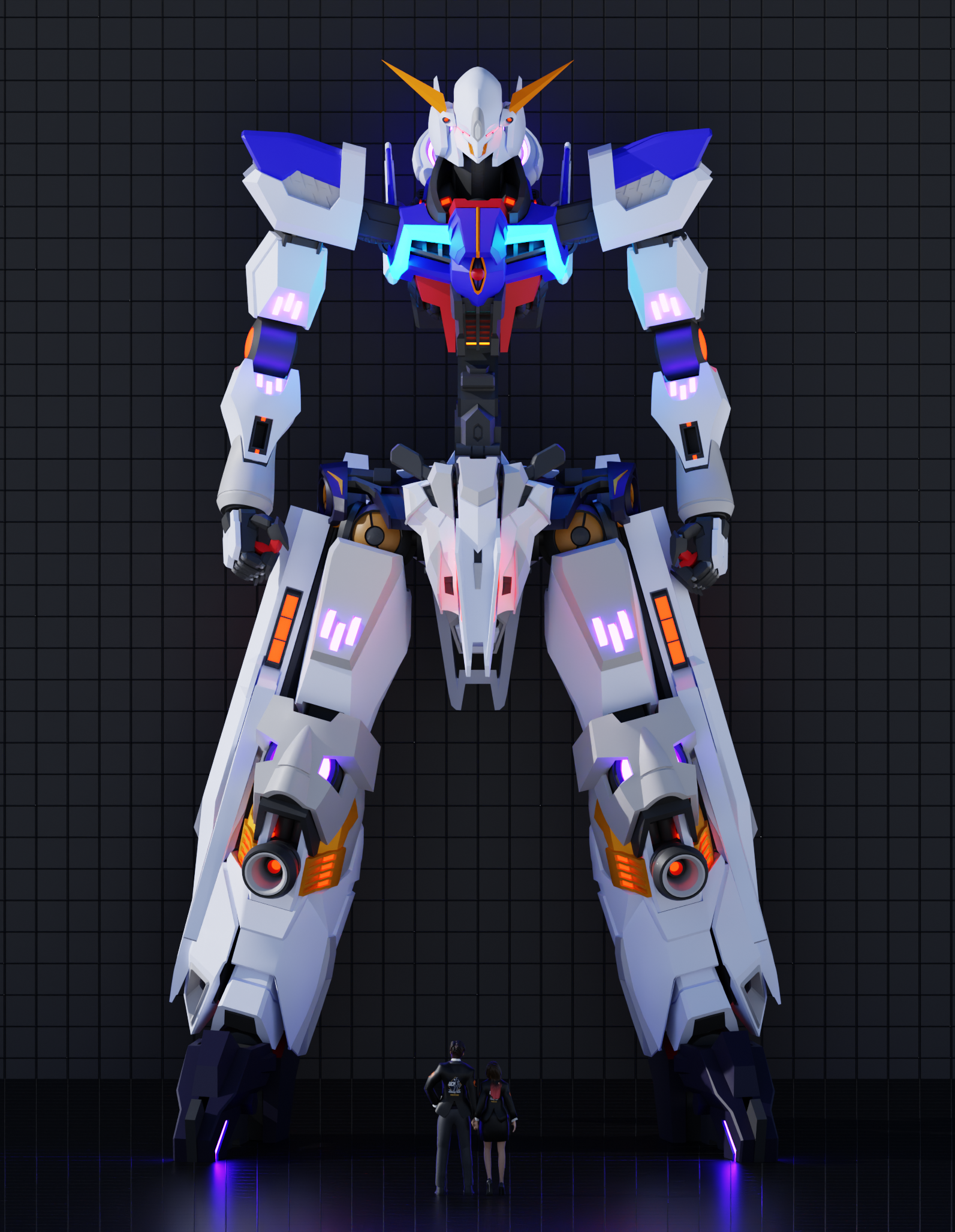
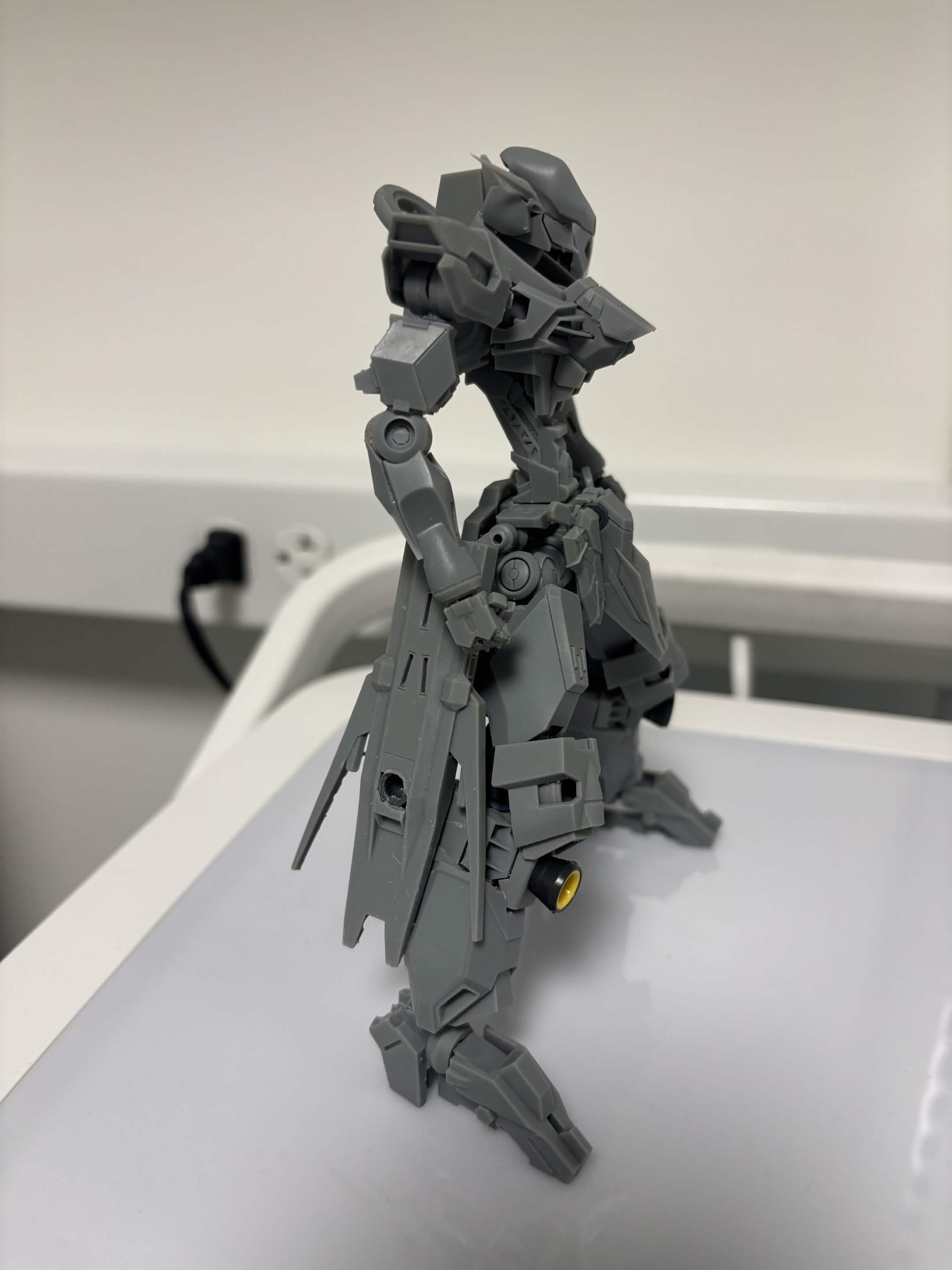
Final Model of the FGX-001 Faelestial does have matching proportion of the human skeleton
1. Early Proportion Study
Early Design PhaseOne of the first major design decisions was the frame proportion. Many Gundam designs use heroic proportions, especially the Katoki-style look, with short thighs, long lower legs, wide torsos, and strong box-like silhouettes. I liked many of those designs visually, but I wanted Faelestial Gundam to follow a different logic.
My goal was to design a Gundam that could move more naturally. I wanted it to be able to kneel, lower its hand toward the ground, and interact with a pilot in a way that felt believable. In many mobile suit designs, those basic actions can look awkward because the proportions prioritize heroic presentation over natural body mechanics.
To solve this, I increased the thigh length and studied human body proportions. I noticed that many Gundam torsos are extremely short compared to a human spine. Since I was inspired by body-linked mobile suit concepts, especially the idea of a machine responding like an extension of the pilot, I wanted the frame to feel closer to human anatomy.
This led to a longer torso and a spine-like central structure. The result looked unusual compared to standard Gunpla proportions, but it matched the movement logic I wanted. The design was not trying to copy a traditional mobile suit silhouette. It was trying to solve a different problem: how to make a giant humanoid machine feel like a synchronized body.
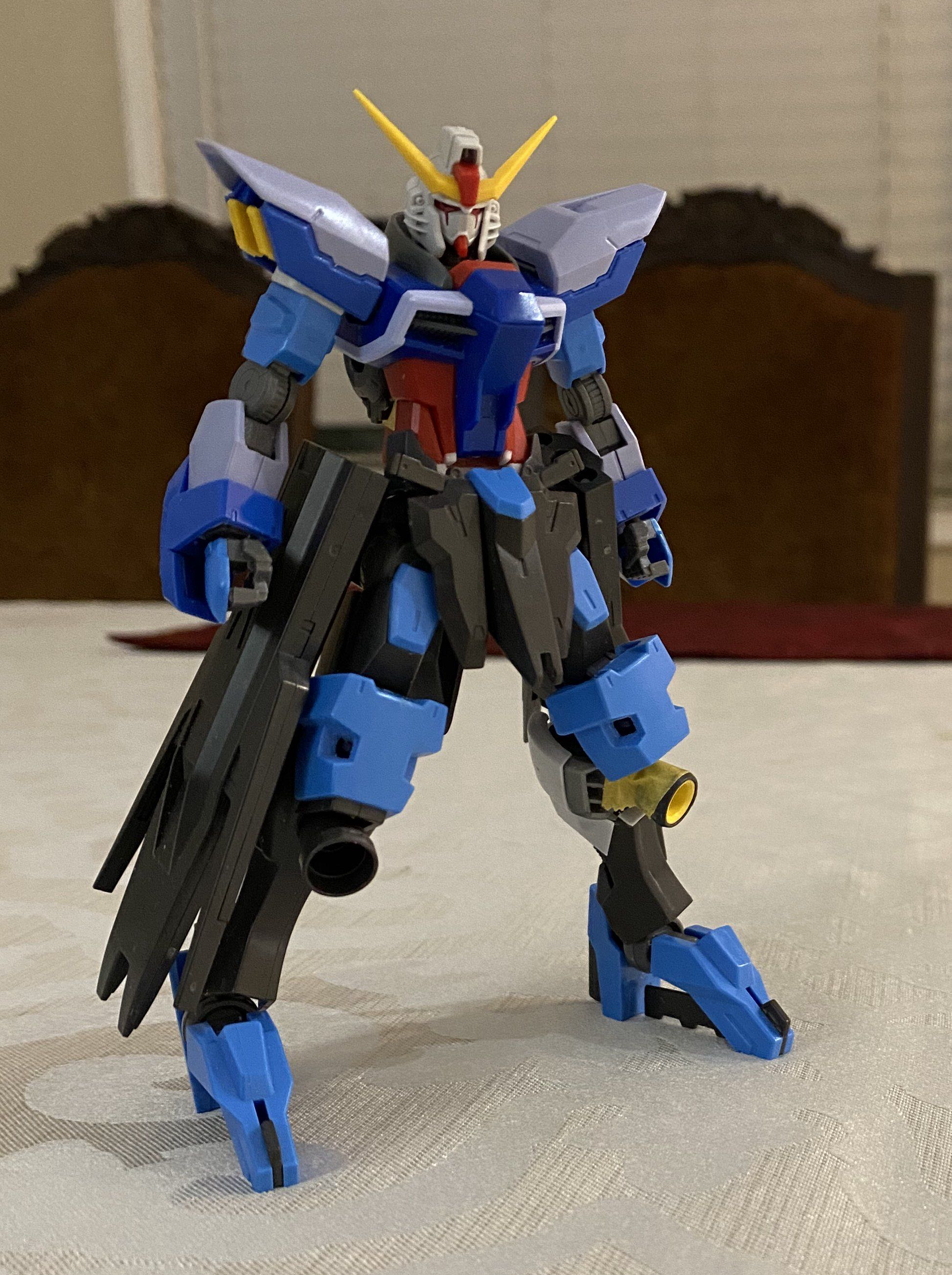
Early Frame
Early frame.
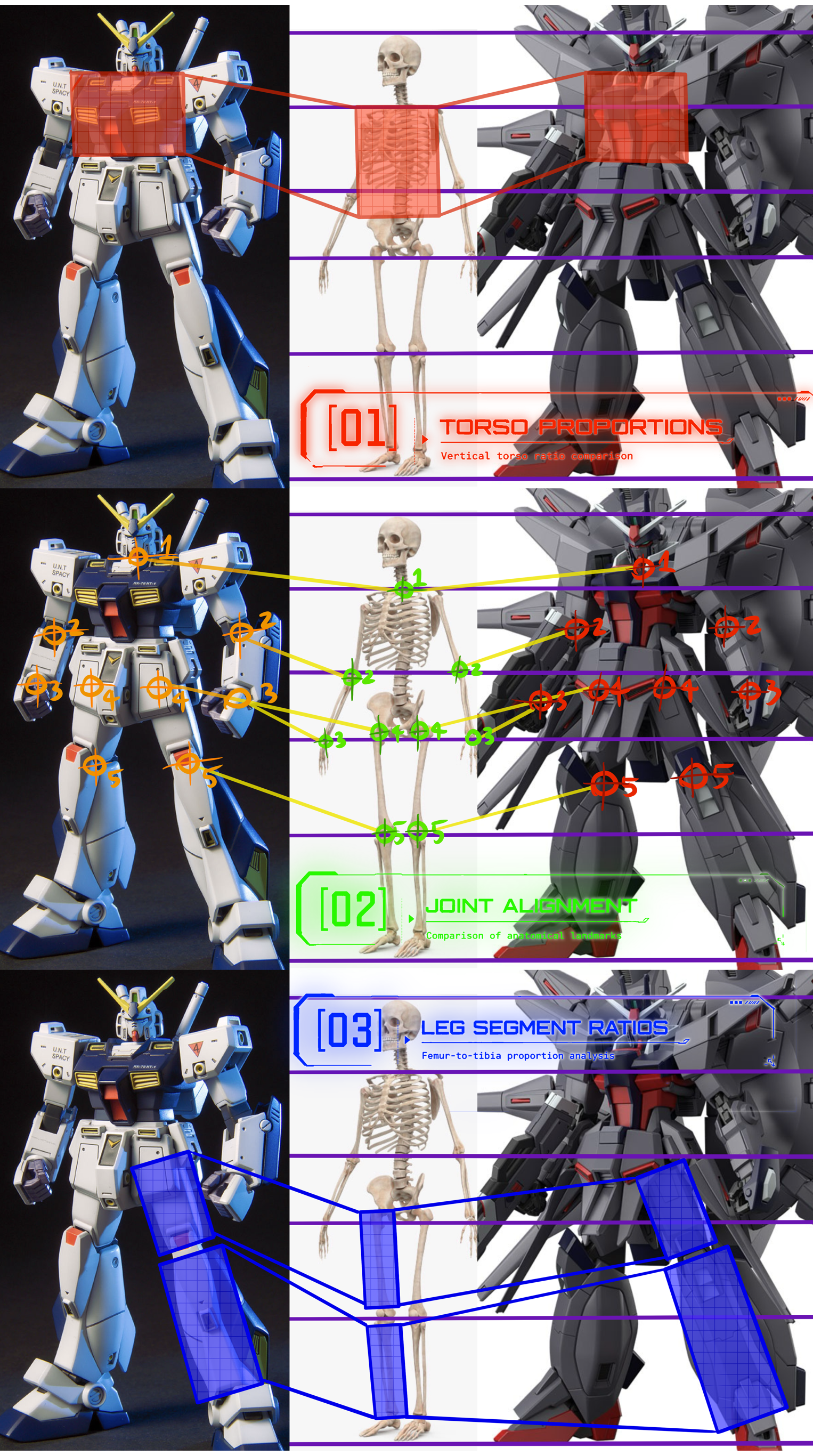
Human Proportion Study
typical Gundam proportions compared to human skeleton. gundam have short thighs and long lower leg but humans have equal length bones
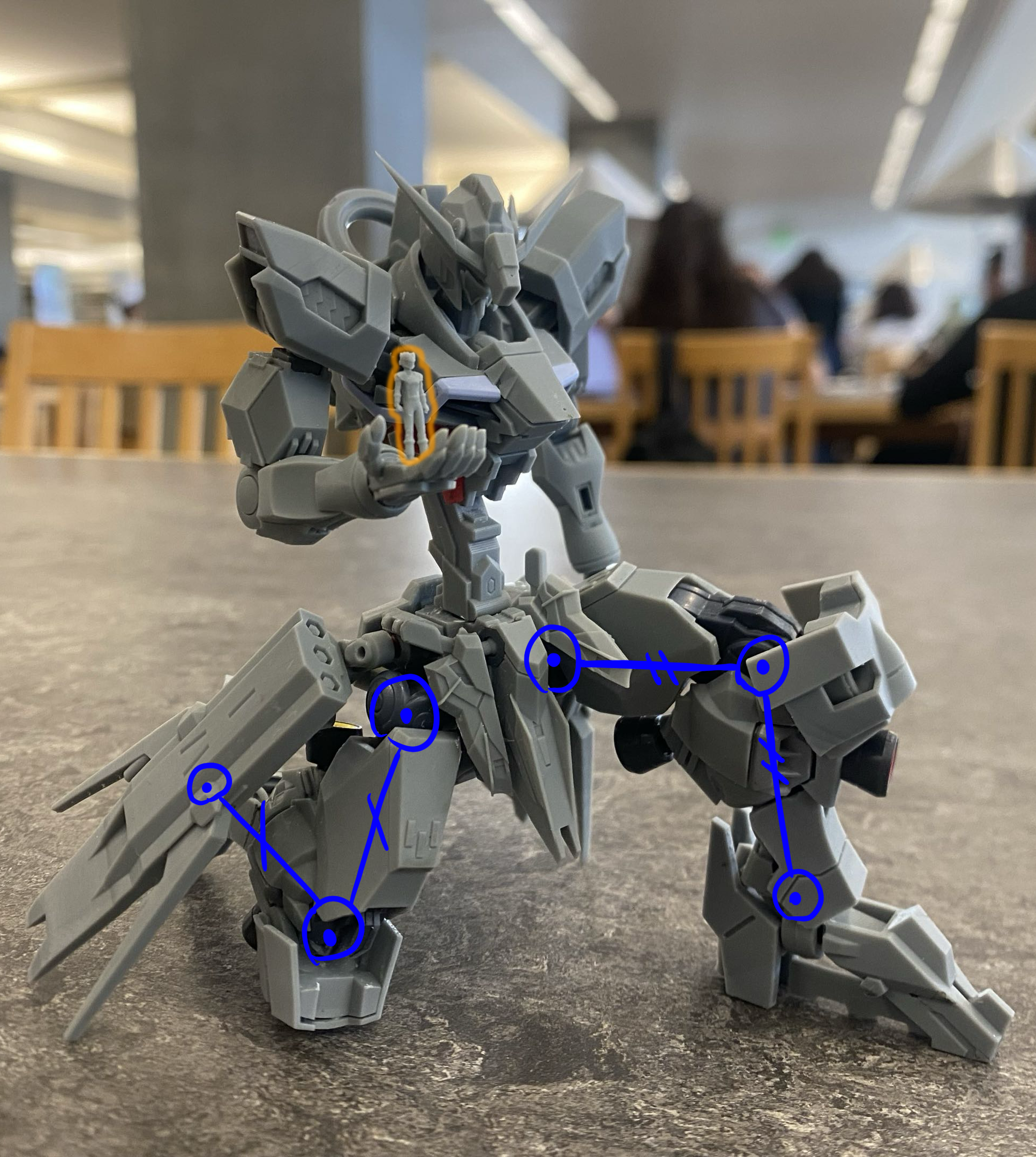
Movement Goal
Faelestial Gundam Early 3D printed model showcasing its ability to naturally kneel like human can
2. Frame Philosophy
Mechanical Design LogicThe frame was designed around the idea of controlled motion rather than only visual impact. I wanted the mobile suit to have long, natural limb placement and a central body structure that made sense for a pilot-synchronized machine.
I experimented with adding mechanical details such as pistons, but many of those parts interrupted the flow of the design. Straight pistons often created harsh triangular shapes along the sides of the body, which made the frame look less elegant. Instead of adding details only because they looked mechanical, I chose to keep the form cleaner and more futuristic.
The final direction emphasized a long spine, extended thighs, natural arm placement, and a human-like balance. The hands were positioned to fall near the lower pelvis and upper thigh area, similar to my own standing proportions. This helped the mobile suit feel less like a box with limbs attached and more like a body-shaped vessel.
This frame philosophy became the foundation for every later design decision. Armor, joints, weapons, and cockpit concepts all had to support the same idea: Faelestial Gundam should feel like a machine built around body synchronization.
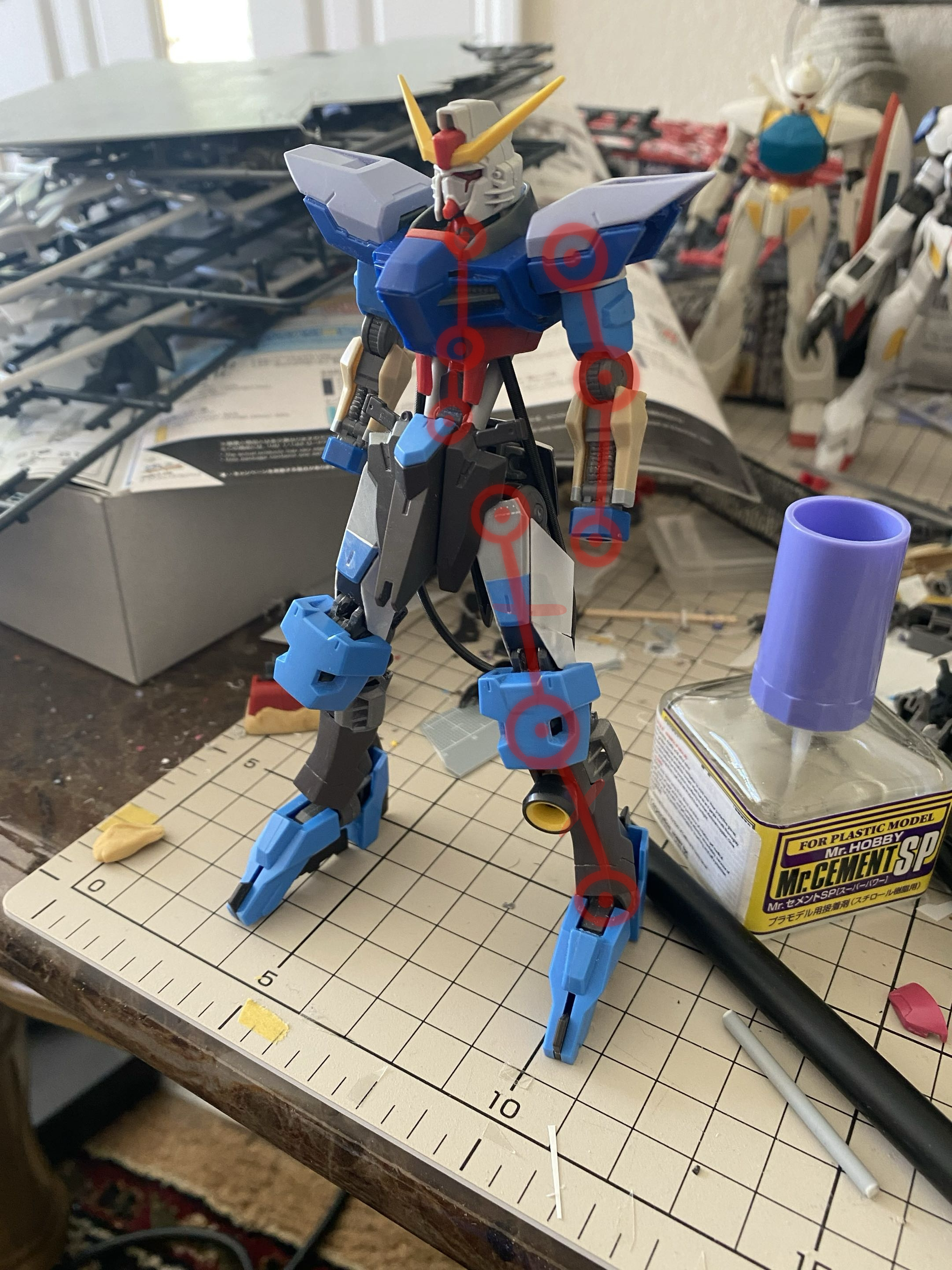
Frame Revision 01
Early frame inspired by iron-blooded orphans proportions.
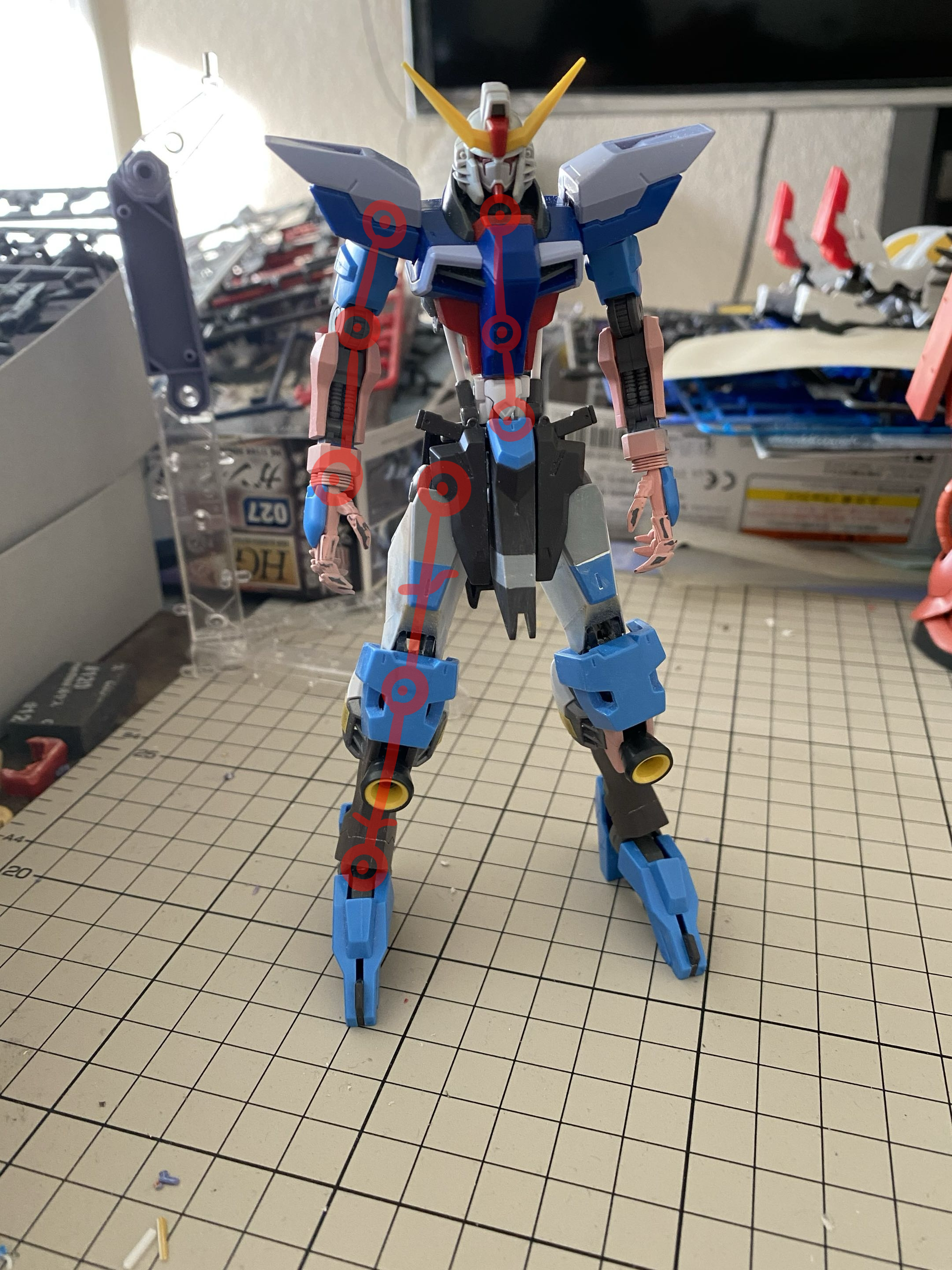
Frame Revision 02
Transitional frame exploring longer torso proportions.
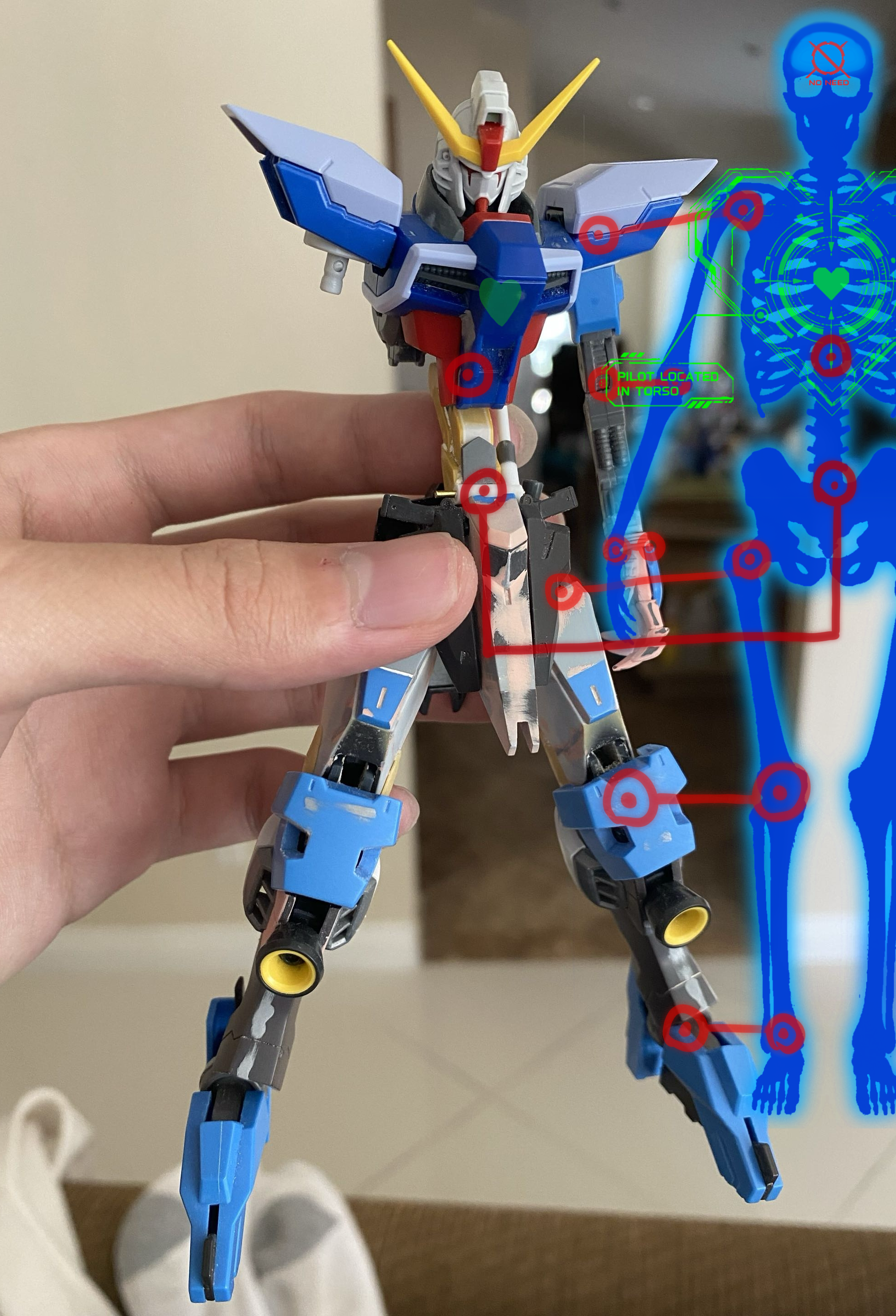
Final Frame Design
Human-aligned frame w/ anatomical reference study.
3. Arm Armor Development
Scratch Build PhaseAfter the frame proportions were established, the next major challenge was the arm armor. A standard boxy Gundam arm did not fit the design. Because the frame had more human-like proportions, the armor needed to create a flowing silhouette instead of a flat rectangular shape.
I wanted the arms to have an hourglass-like form, with armor that felt elegant from the front and side. This required a lot of shape exploration. I made sketches, studied silhouettes, and tested how different armor masses changed the overall body line.
At this stage, I was still working physically, so I began scratch-building the parts with epoxy putty and clay. This allowed me to sculpt the shape directly and evaluate the design in real space. The process was slow, but it helped me understand volume, curvature, and how mechanical shapes look from multiple angles.
The arm armor became one of the most important parts of the project because it had to make the unusual frame proportions look intentional. If the arms were too boxy or too short, the entire design lost balance. Solving the arms pushed the project toward digital modeling later, because I needed more control over scale, symmetry, and repeatability.
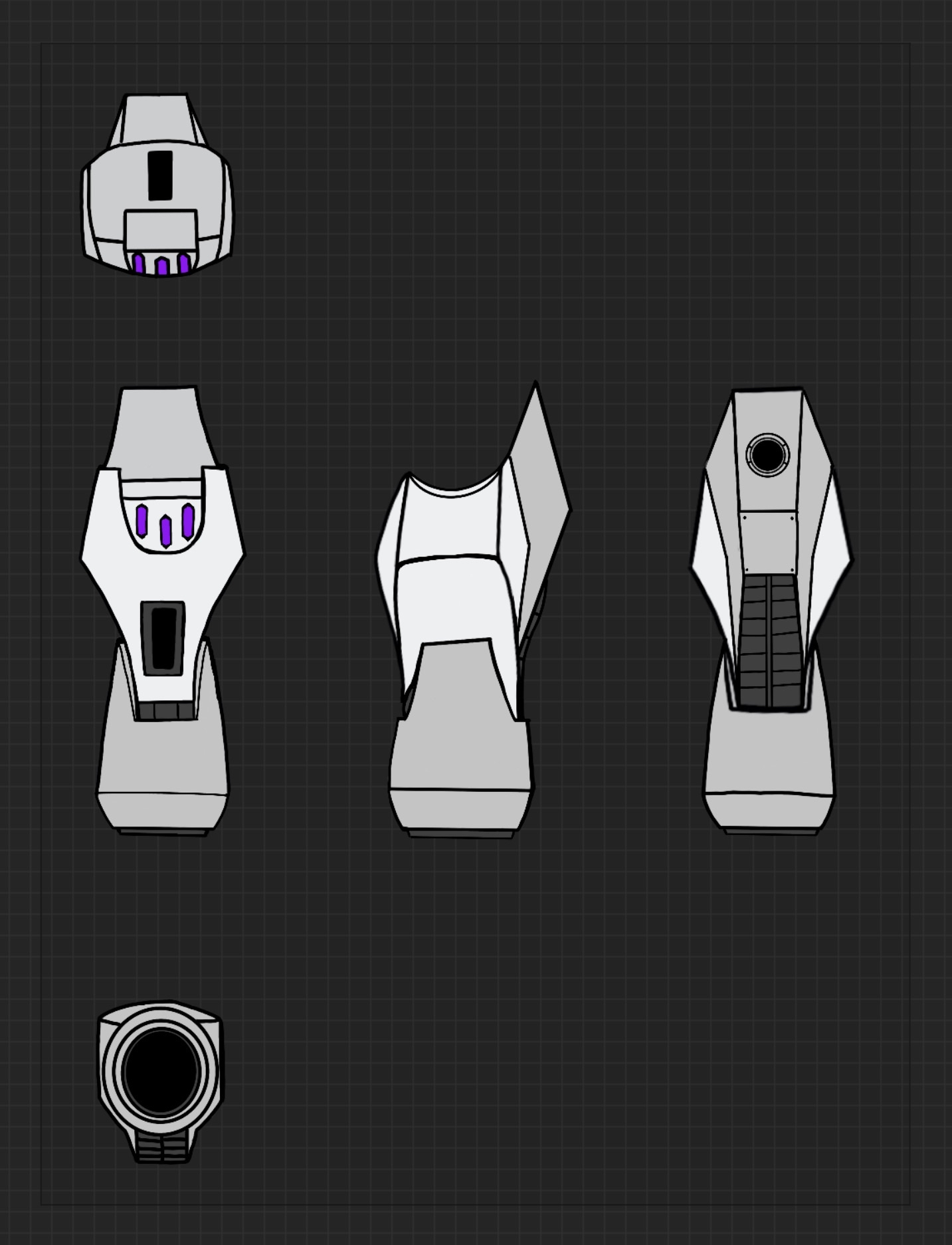
Arm Sketch
CAD drawing that shows exactly what kind of armor kenneth wanted
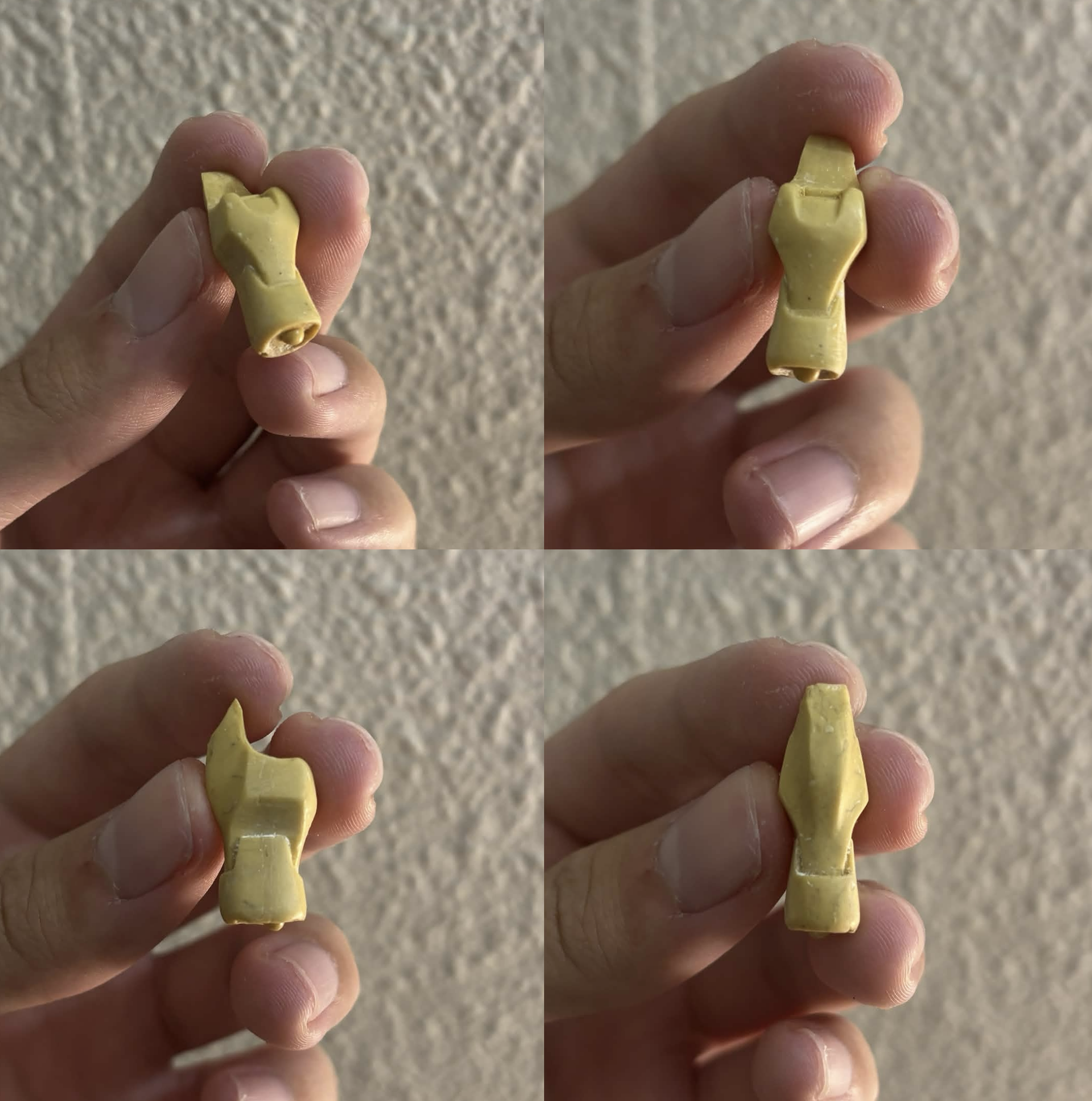
Epoxy Armor
Scratch-built epoxy arm armor
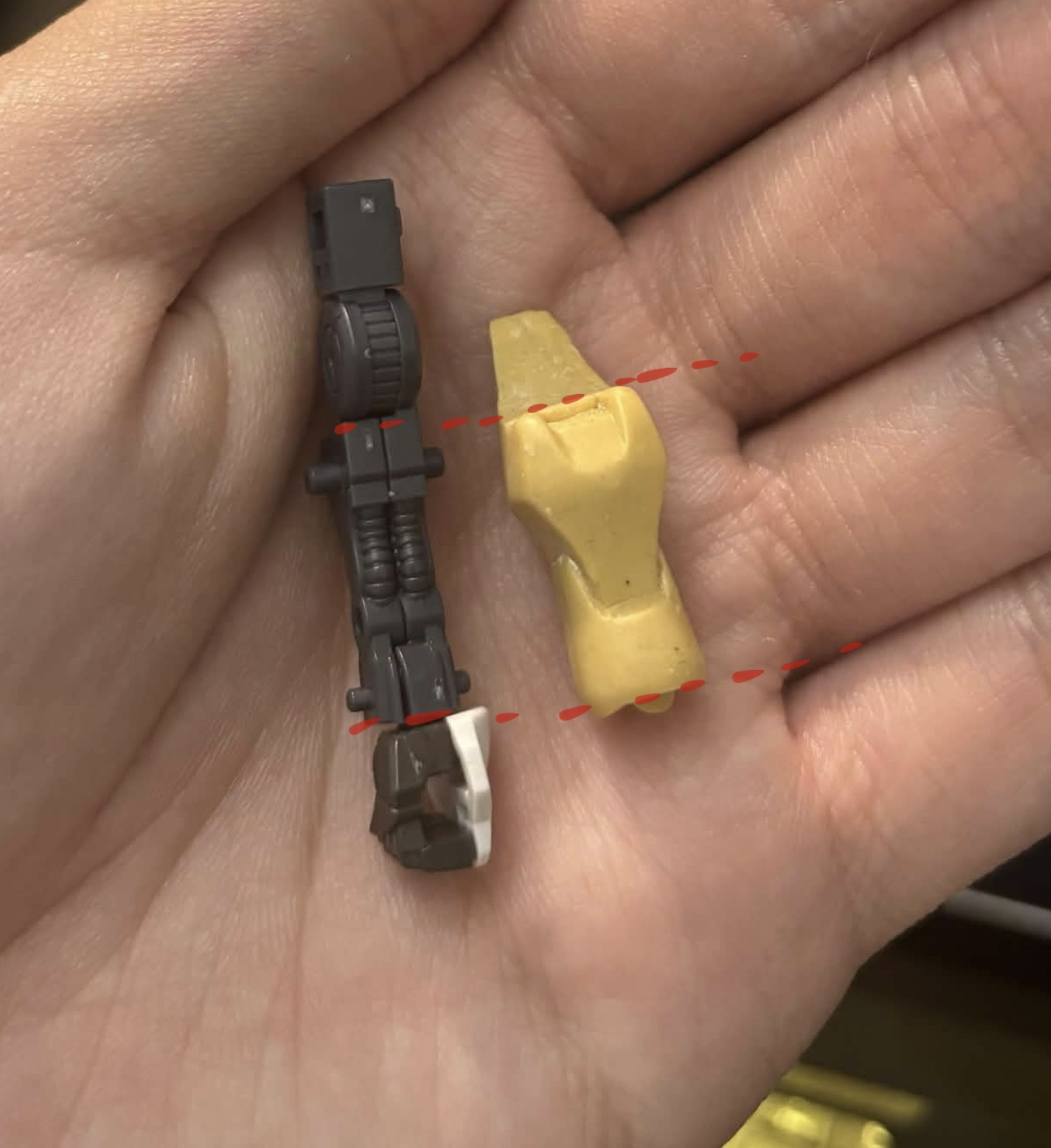
Test Fit
Arm armor compared to faelestial gundam arm frame for proportion testing.
4. Traditional Art and Sculpting Background
Art FoundationBefore Faelestial Gundam became a digital project, I had already developed physical art skills through ceramics and sculpting. In advanced ceramics, I made Gundam-inspired work including a Unicorn Gundam head sculpture and a decorative bowl with a Gundam figure integrated into the lid.
Those projects helped me develop spatial awareness, hand sculpting ability, and a stronger sense of form. Ceramics also taught me that an object needs to work from every viewing angle. A design can look good from the front, but if the side or top view is weak, the whole object feels unfinished.
Although I later chose mechanical engineering as my academic path, the art foundation stayed with me. Faelestial Gundam became the project where both sides connected: physical sculpture, engineering logic, fabrication, digital modeling, and visual storytelling.
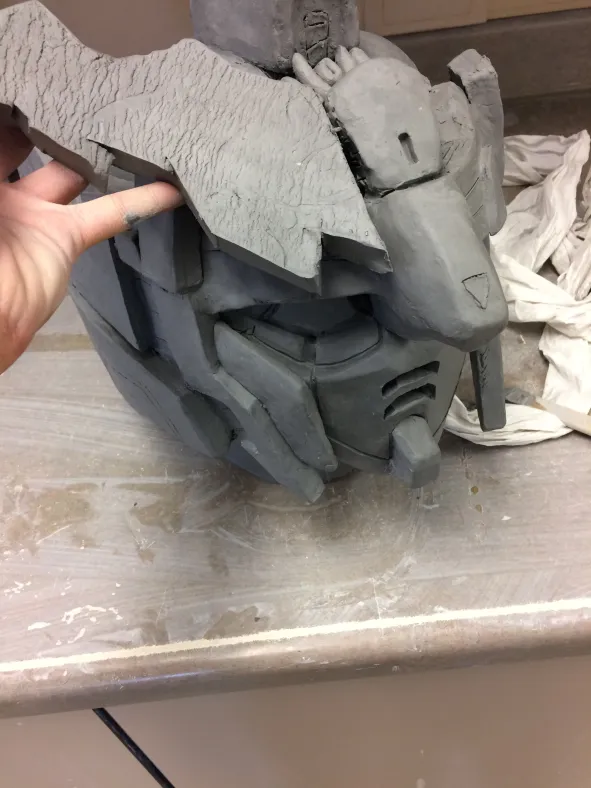
Unicorn Gundam Ceramic Head
Work-in-progress ceramic sculpture of the Unicorn Gundam head, hand-sculpted from clay.
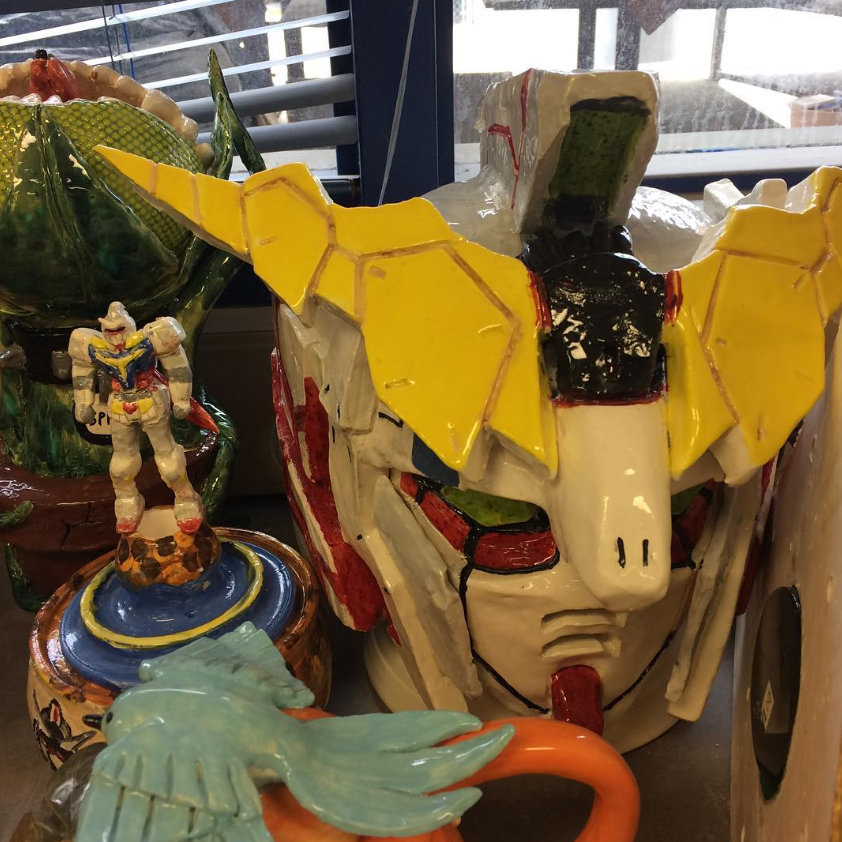
Glazed Ceramics
Finished ceramic pieces featuring a Unicorn Gundam-inspired teapot and a Gundam-themed forest bowl, both hand-built and glazed.
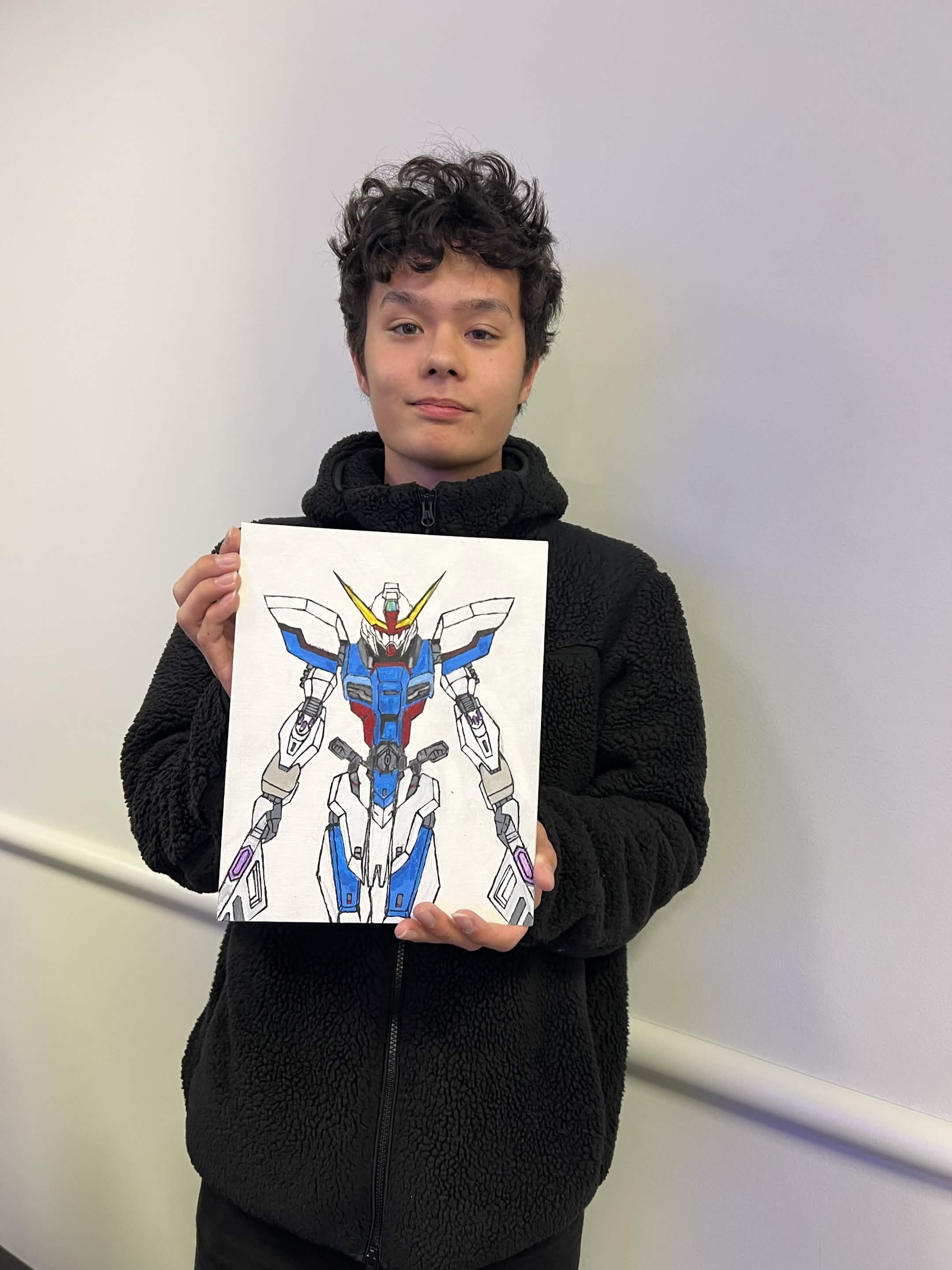
Traditional Art
Acrylic canvas painting of the original Faelestial Gundam, demonstrating experience across sculpture, ceramics, and painting.
5. Silicone Mold and Resin Casting Era
Physical FabricationAfter creating hand-built armor parts, I began experimenting with silicone molds and resin casting. The goal was to replicate custom parts more consistently, especially the arm armor and spine components.
The first attempts were not successful. Some resin copies trapped air bubbles, lost detail, or did not fill completely. Instead of treating those failures as the end of the process, I used them to understand what the mold needed: better venting, better flow paths, and a cleaner way for trapped air to escape.
Once I improved the mold design, the results became much better. I was able to create usable resin copies of custom parts. This stage taught me the difference between a handmade prototype and a repeatable fabrication process.
The mold era was important because it gave me early hands-on experience with manufacturing thinking. I had to think about part geometry, material behavior, air flow, curing, cleanup, and repeatability. Those lessons later carried into 3D printing and digital fabrication.
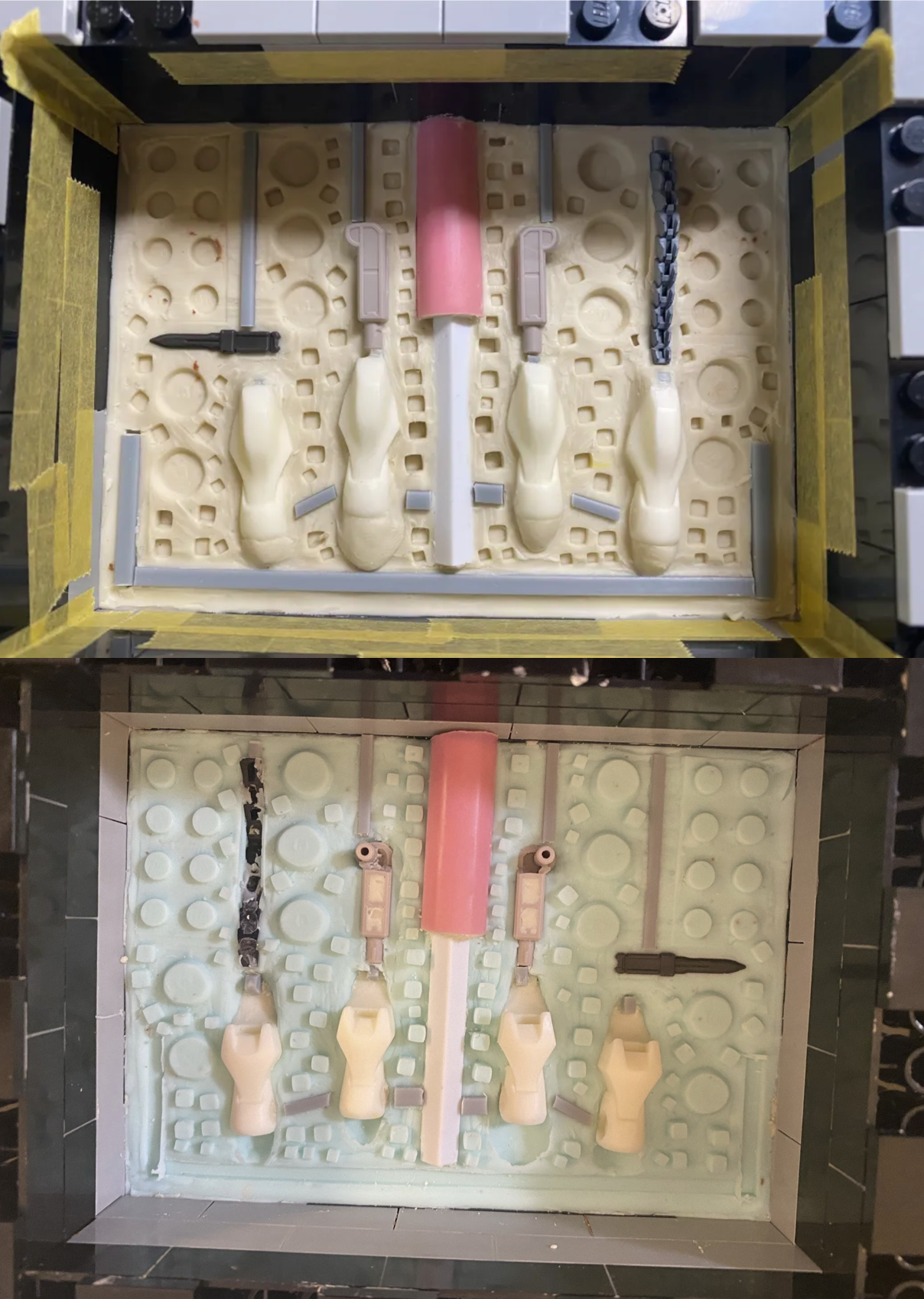
Silicone Mold
Mold setup used to duplicate scratch-built parts.
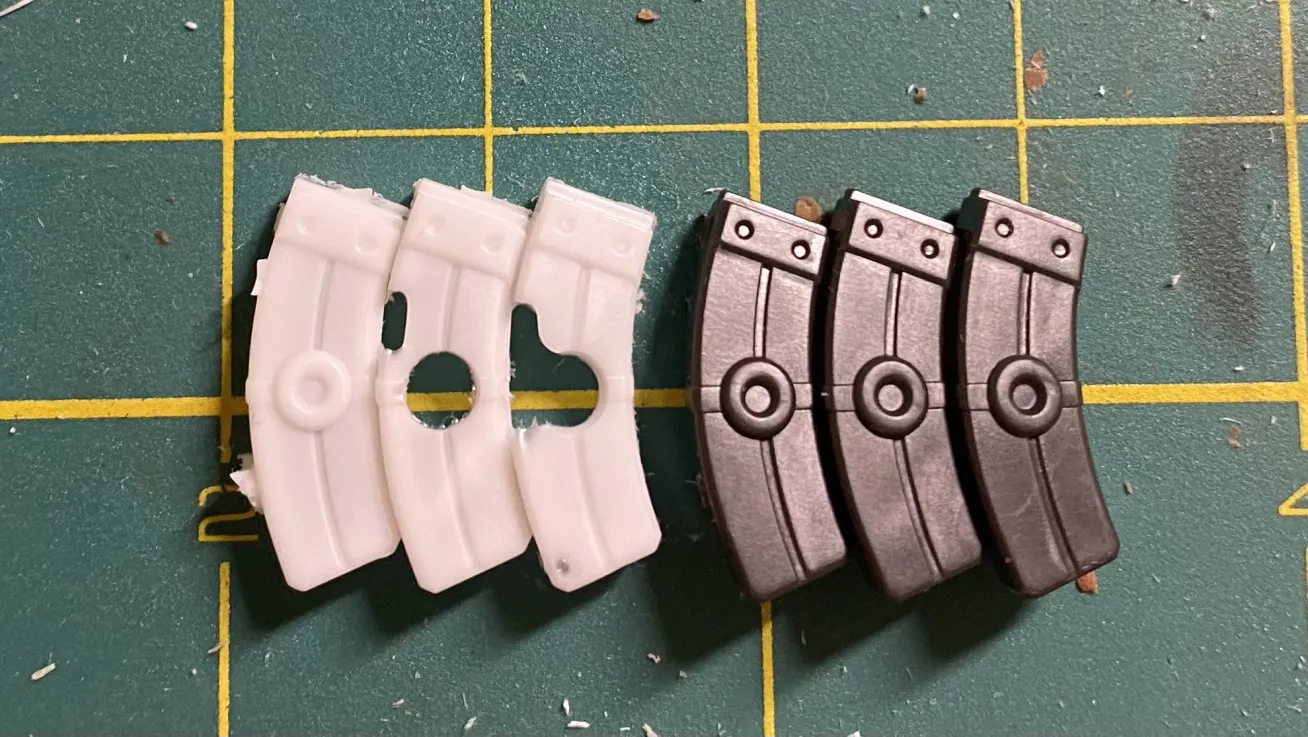
Failed Casting
Early casting issue with air bubbles or incomplete fill.
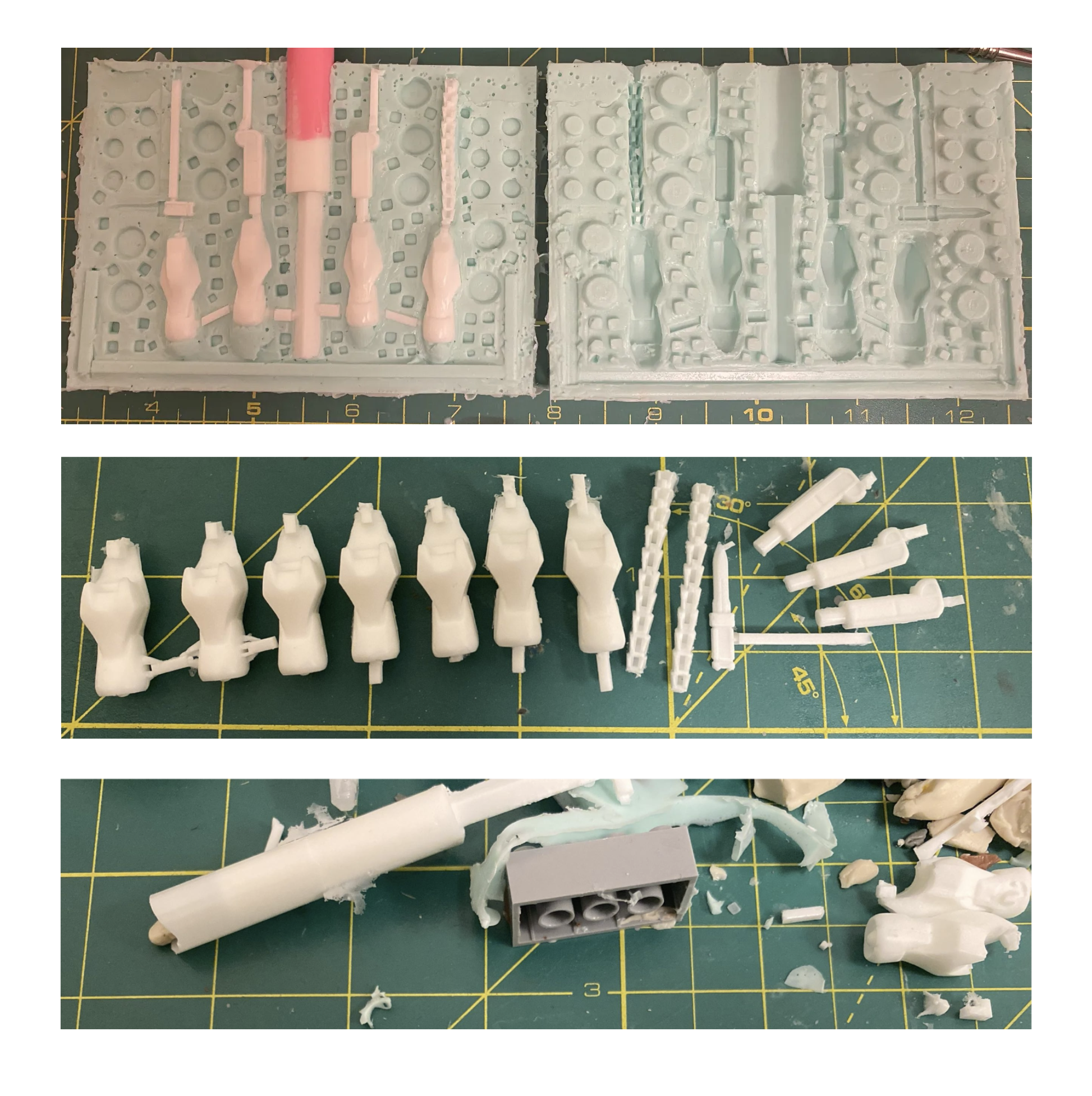
Successful Copy
Improved resin copy after adjusting the mold process.
6. First Joint Integration
Assembly TestingAfter producing resin armor pieces, I began testing how to integrate them with existing Gunpla joints. I experimented with different joint systems, including parts from 00 Gundam kits, to see which joints could support the custom armor while still allowing useful articulation.
This stage was about combining handmade parts with existing mechanical systems. The parts needed to connect securely, move correctly, and maintain the visual proportions of the design. Even when a joint worked mechanically, the appearance still had to match the overall silhouette.
I eventually created a working arm assembly, but the proportions were not fully resolved. The armor was too short in some areas, and I attempted to compensate with larger wrist and hand elements. The result was functional, but the design still felt visually unbalanced.
That limitation became the reason I moved toward digital modeling. I needed a workflow where I could freely scale, stretch, revise, and mirror parts before committing to a physical version.
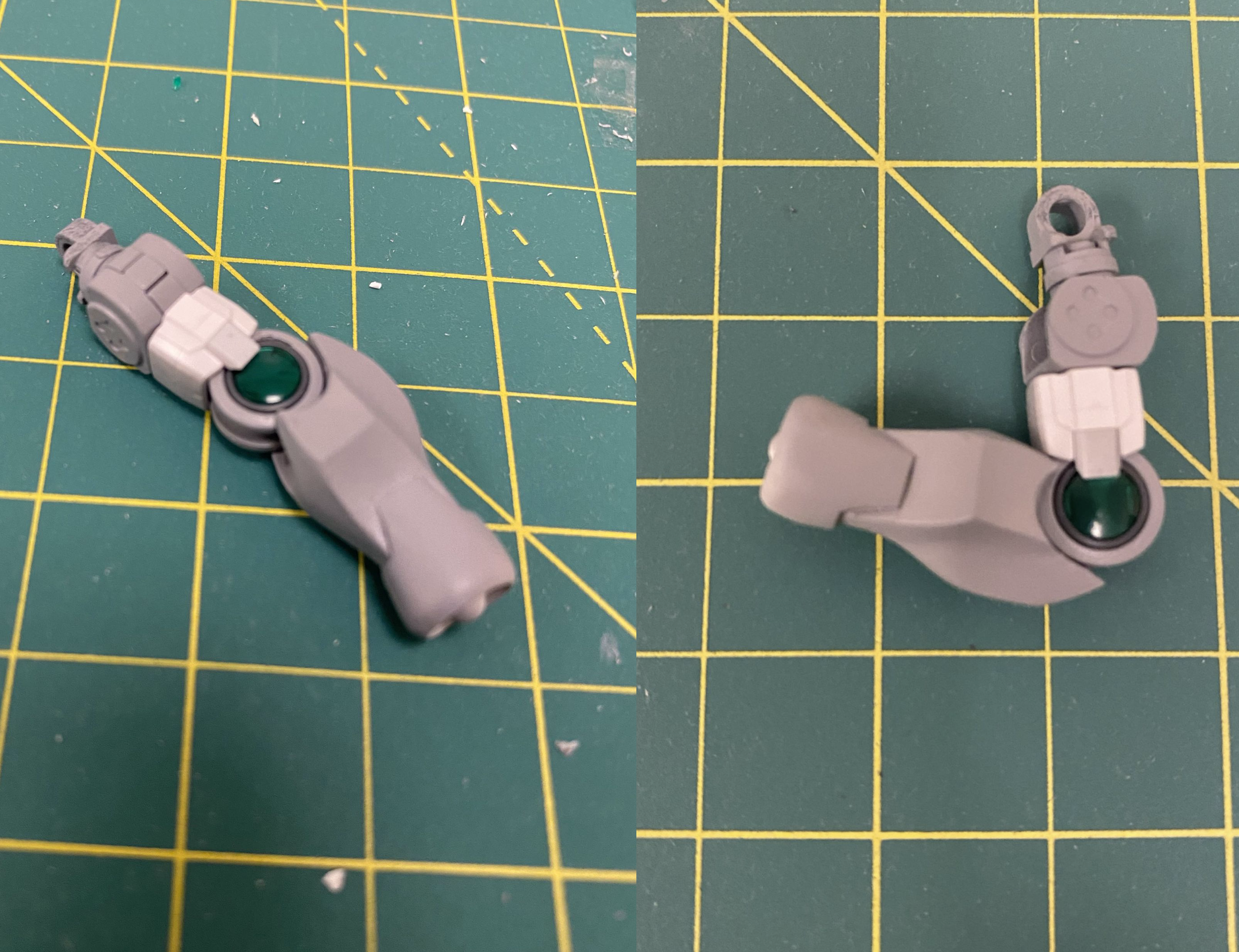
Joint Test
Showcasing arm being able to bend w/ joint added on
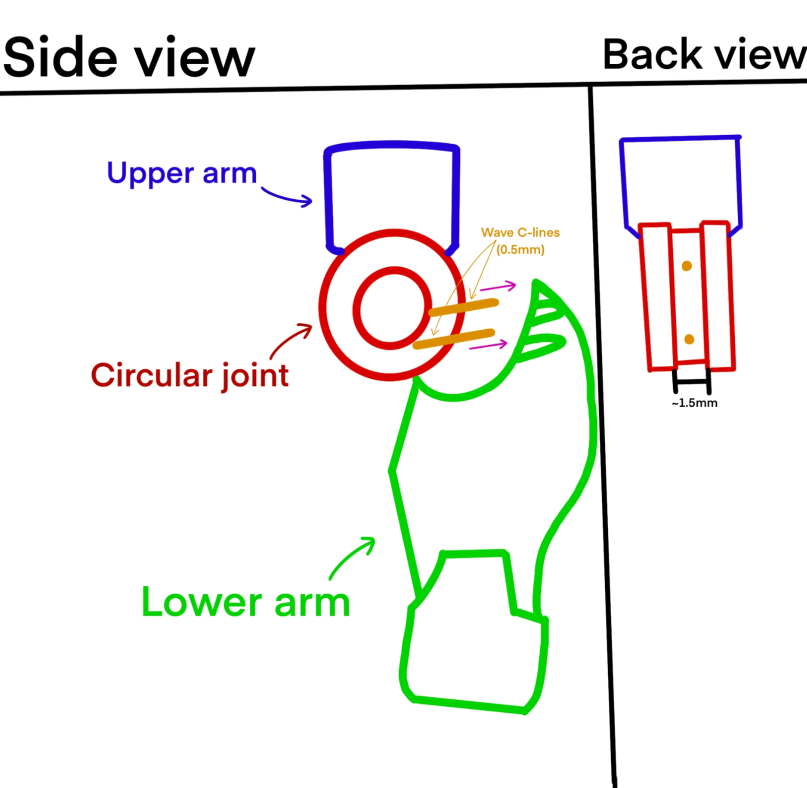
Working Arm Assembly
Showcase/brainstorm of kenneths thinking in drawing of how he will attach the arm on without seeing the metal rods when seen from front
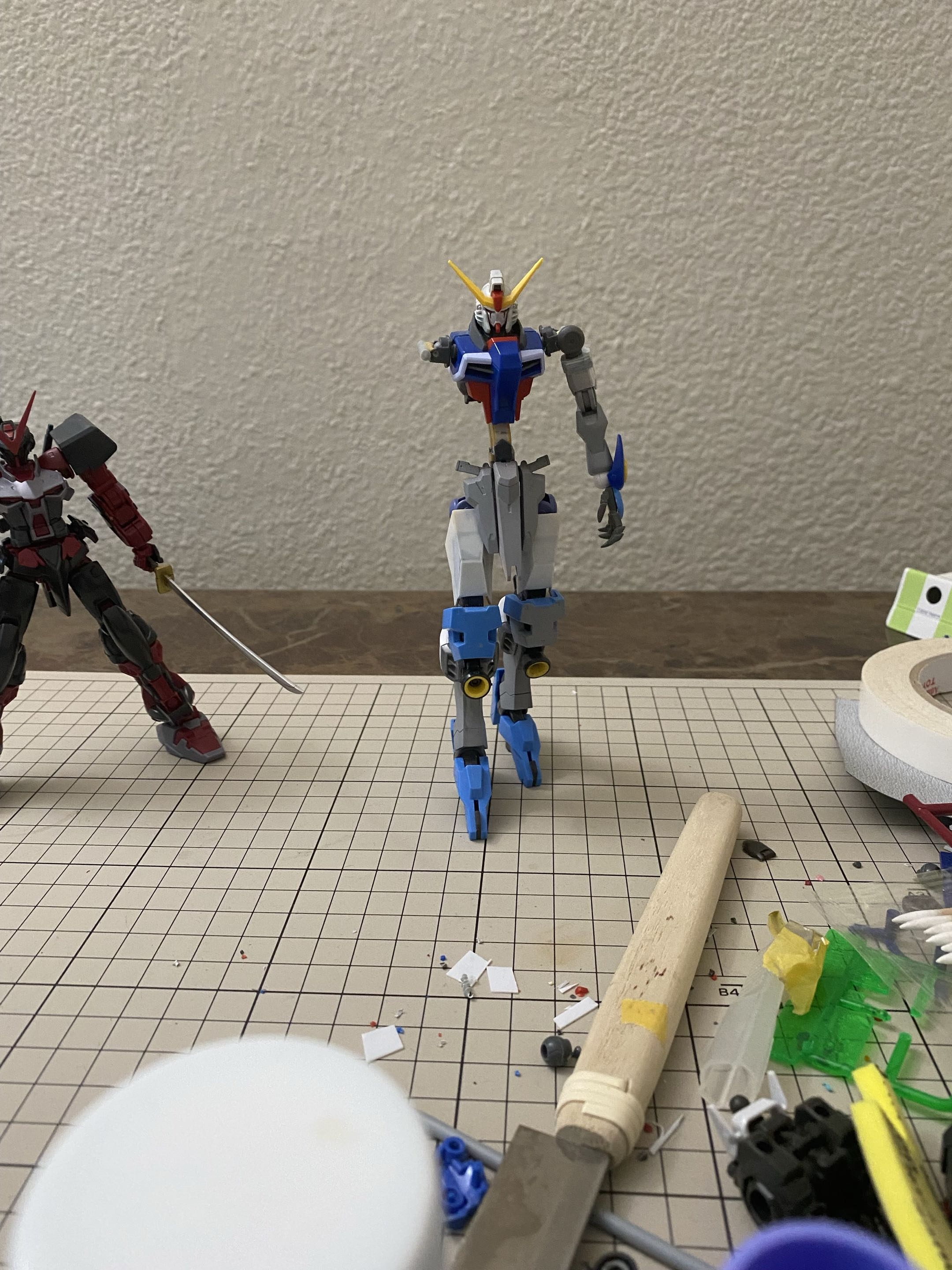
Proportion Test
Scratch build Faelestial gundam w/ working resin copied arm on
7. Learning Blender
Digital Modeling TransitionThe limitations of physical scratch building led me to Blender. I wanted the ability to adjust scale, length, curvature, symmetry, and fit before making real parts. At first, 3D modeling felt intimidating because I had not learned it through a formal class.
I considered hiring someone to model the parts, but I knew the design was very specific. I needed to be able to make small decisions myself: how long an armor piece should be, how sharp an edge should feel, how a curve should flow into the next surface, and how the part should fit into the larger body.
Because Blender was free, I downloaded it and began learning through tutorials, experimentation, and repeated failed attempts. Some beginner tutorials were not useful for mechanical design, so I focused on hard-surface modeling workflows that were closer to what I needed.
My early models were difficult to edit because I used far too many vertices. At the time, I thought high vertex count automatically meant a smoother and better model. Over time, I learned that clean topology, controlled surfaces, and intentional edge definition were much more important.
This stage was frustrating, but it was also where the project began accelerating. Once I understood enough Blender to control the design myself, Faelestial Gundam was no longer limited by what I could sculpt by hand.
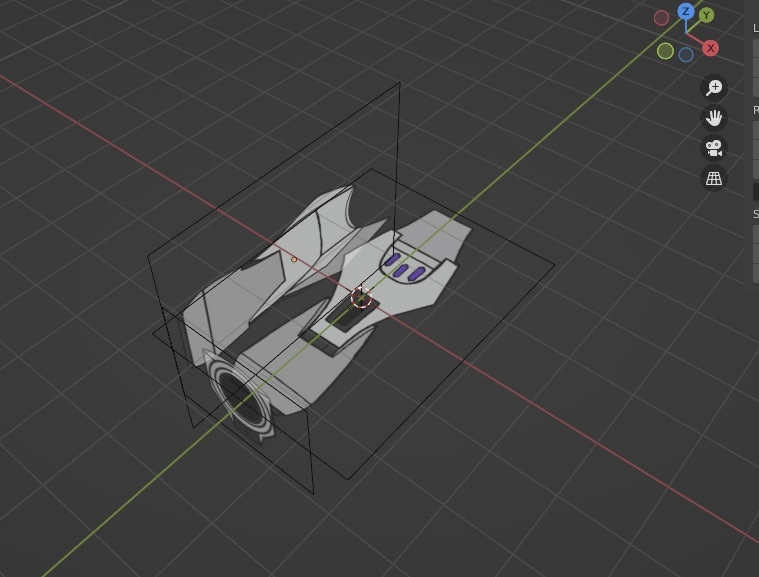
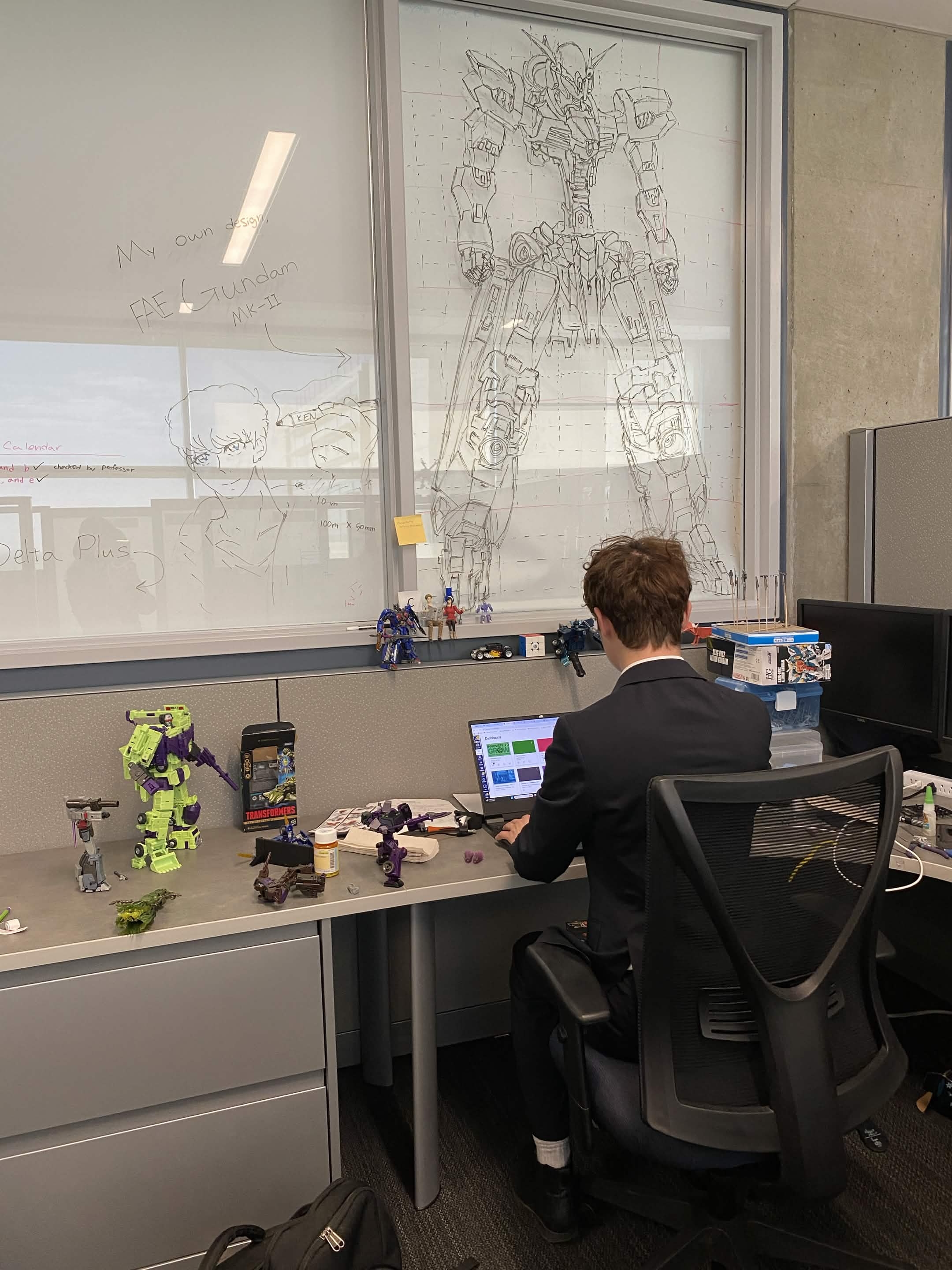
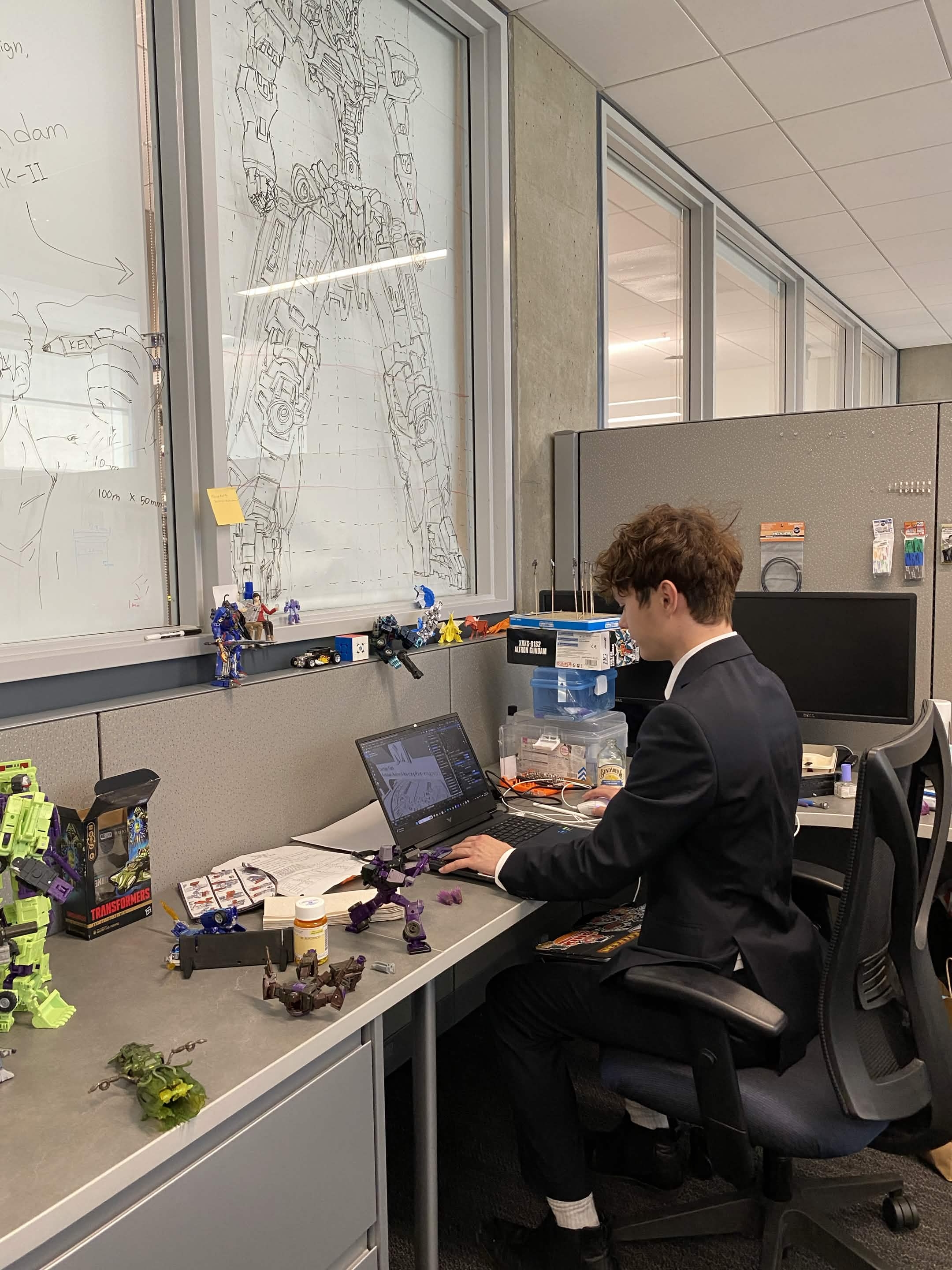
Workplace Set Up
Kenneth lining up his blueprint of top side and front so he can trace the shape on blender
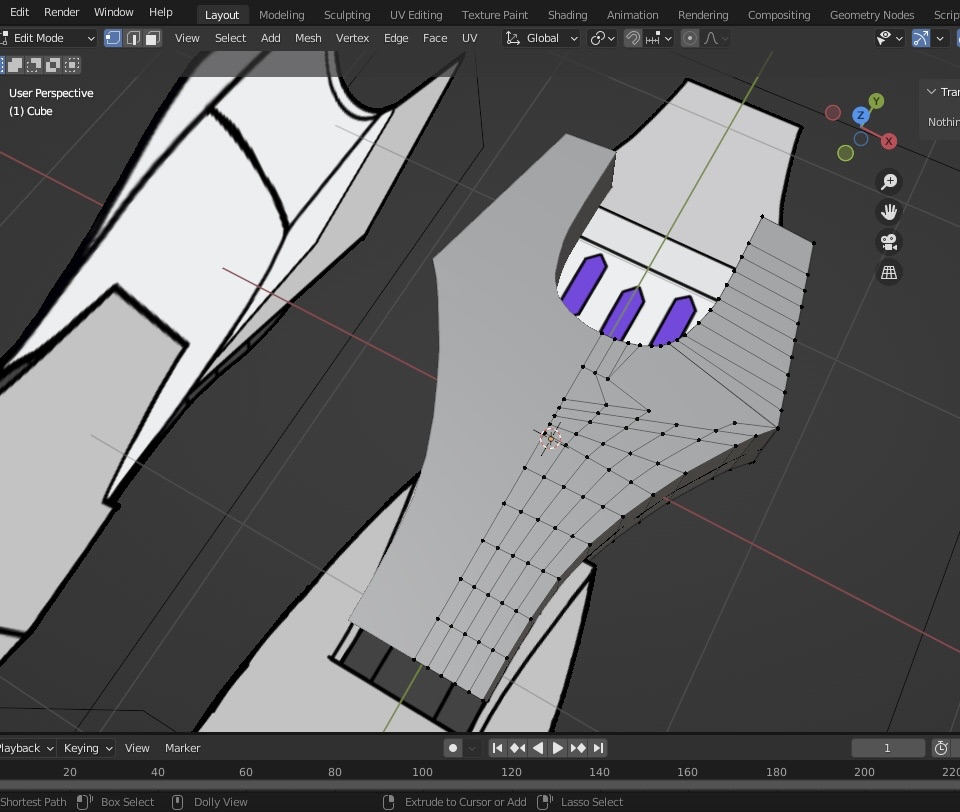
kenneth trying to model on blender
kenneth's having disfficulties w/ workflow and vertecises and face clashing into each other
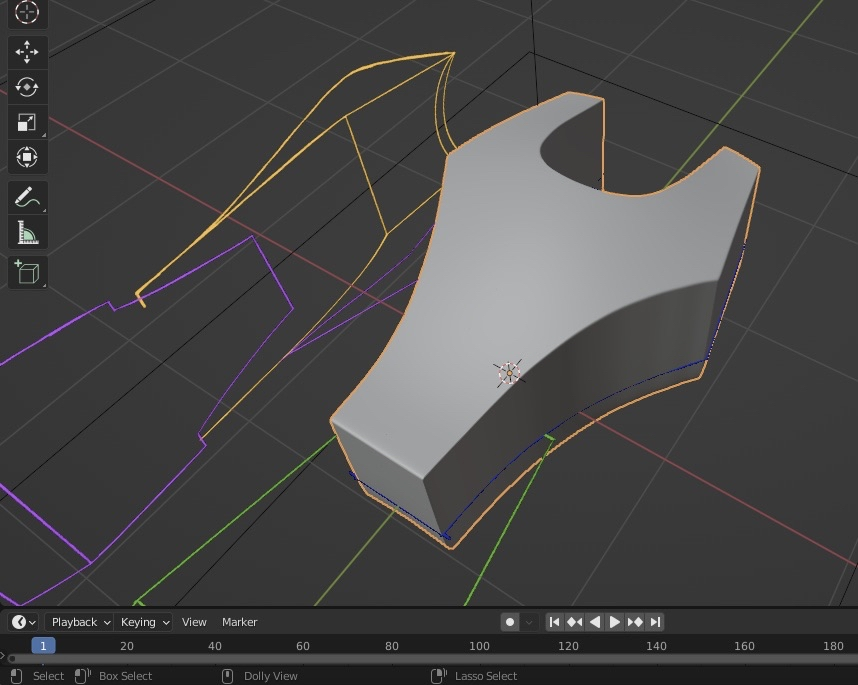
first try
Kenneths somewhat complete arm armor, but very boxy, not smooth and not very good looking
8. Curve-Based Modeling Breakthrough
Workflow EvolutionWhile learning Blender, I discovered a curve-based modeling workflow that dramatically changed the way I approached mechanical design.
One of my biggest challenges was translating sketches into clean 3D surfaces. I could draw shapes from multiple views, but converting those drawings into smooth geometry manually was difficult and time-consuming.
Curve-based modeling provided a solution. Instead of manually positioning every vertex, I could define the shape using curves and allow the software to generate the surface. This made it possible to iterate much faster and focus on design instead of constantly fighting geometry.
The first results were not perfect. Surface seams and topology issues still needed refinement. However, the workflow allowed me to create forms that were much closer to the original concept sketches.
This stage also taught me the difference between visual smoothing and real geometry. Learning about subdivision, edge control, and surface continuity became essential skills that improved every later version of Faelestial Gundam.
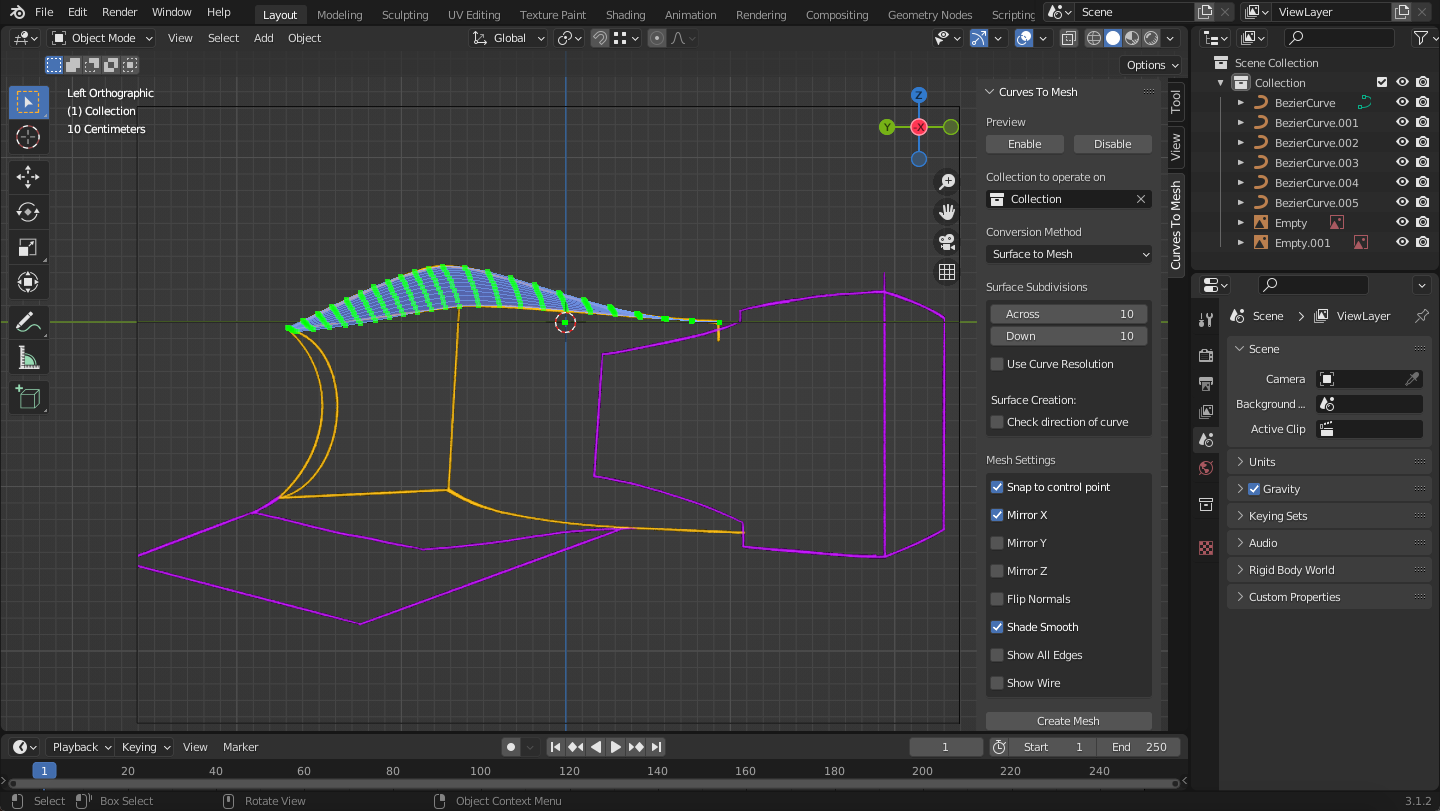
Deploying Computer calculated mesh field
blender showing how my mesh will appear.
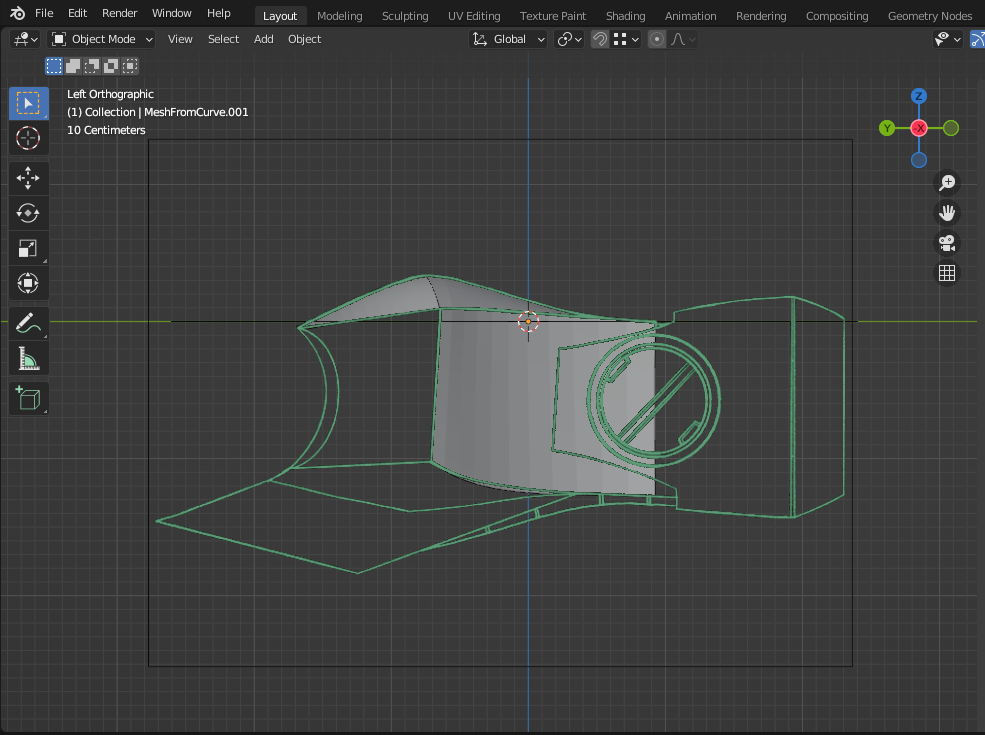
with top and side walls generated
mesh created is exactly following the blueprint kenneth has drawn.
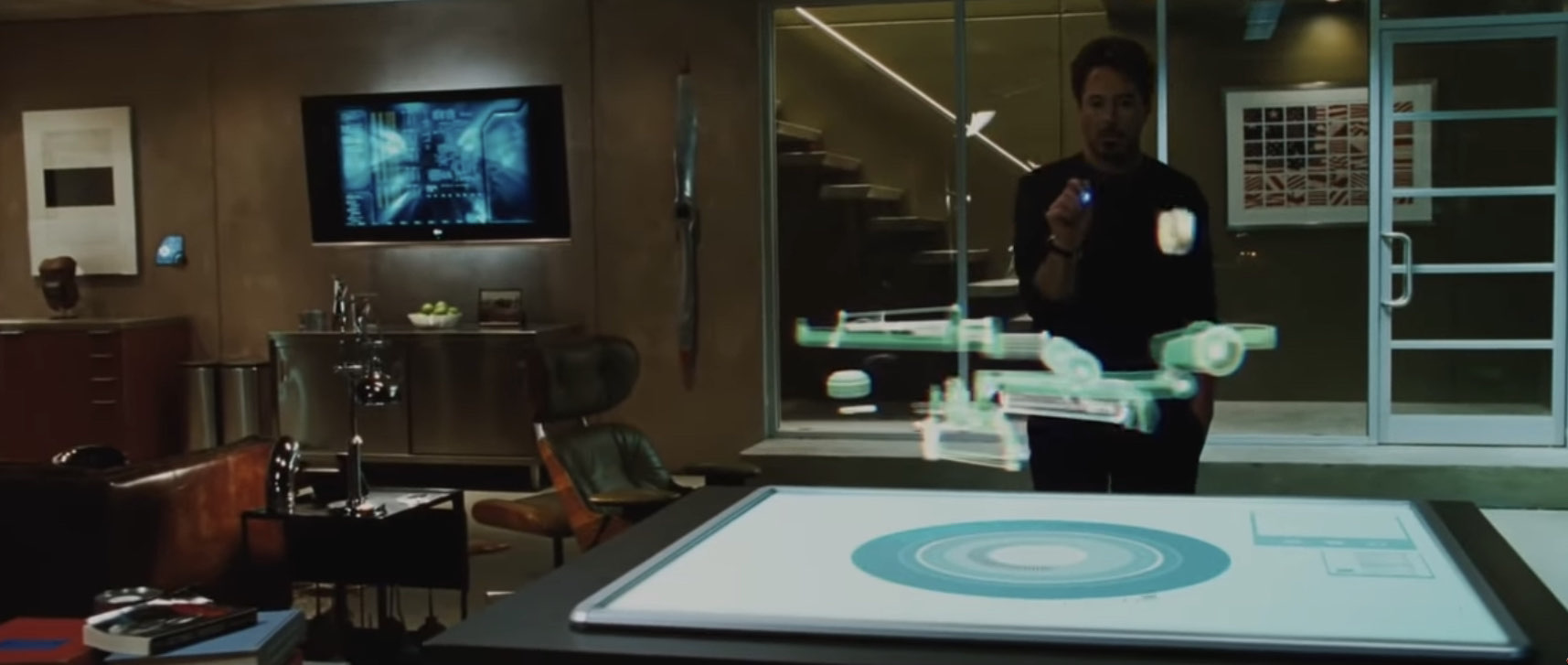
Design Process Feeling
image of tony stark bc im building manufacturing model like on cgi cad
9. First 3D Printing Tests
Prototype ManufacturingOnce digital models existed, the next challenge was turning them into physical objects.
At the time, I primarily had access to FDM printers. These printers were useful for testing proportions and large shapes, but they struggled with the small details needed for custom Gundam armor.
The first prints revealed an important lesson. Models that looked smooth inside Blender were not always smooth when exported and printed. Surface preparation, subdivision, and print-ready geometry all became important considerations.
Through repeated testing, I learned how digital geometry translates into real objects. This experience became a bridge between modeling and manufacturing.
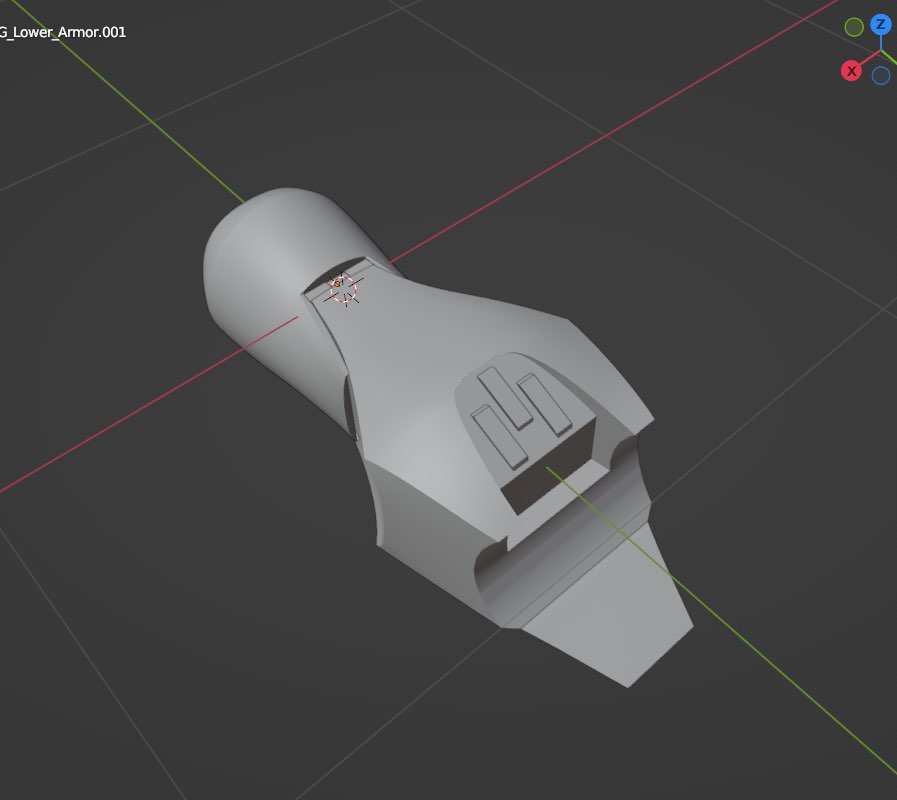
Completed Model
3D printing ready digital model
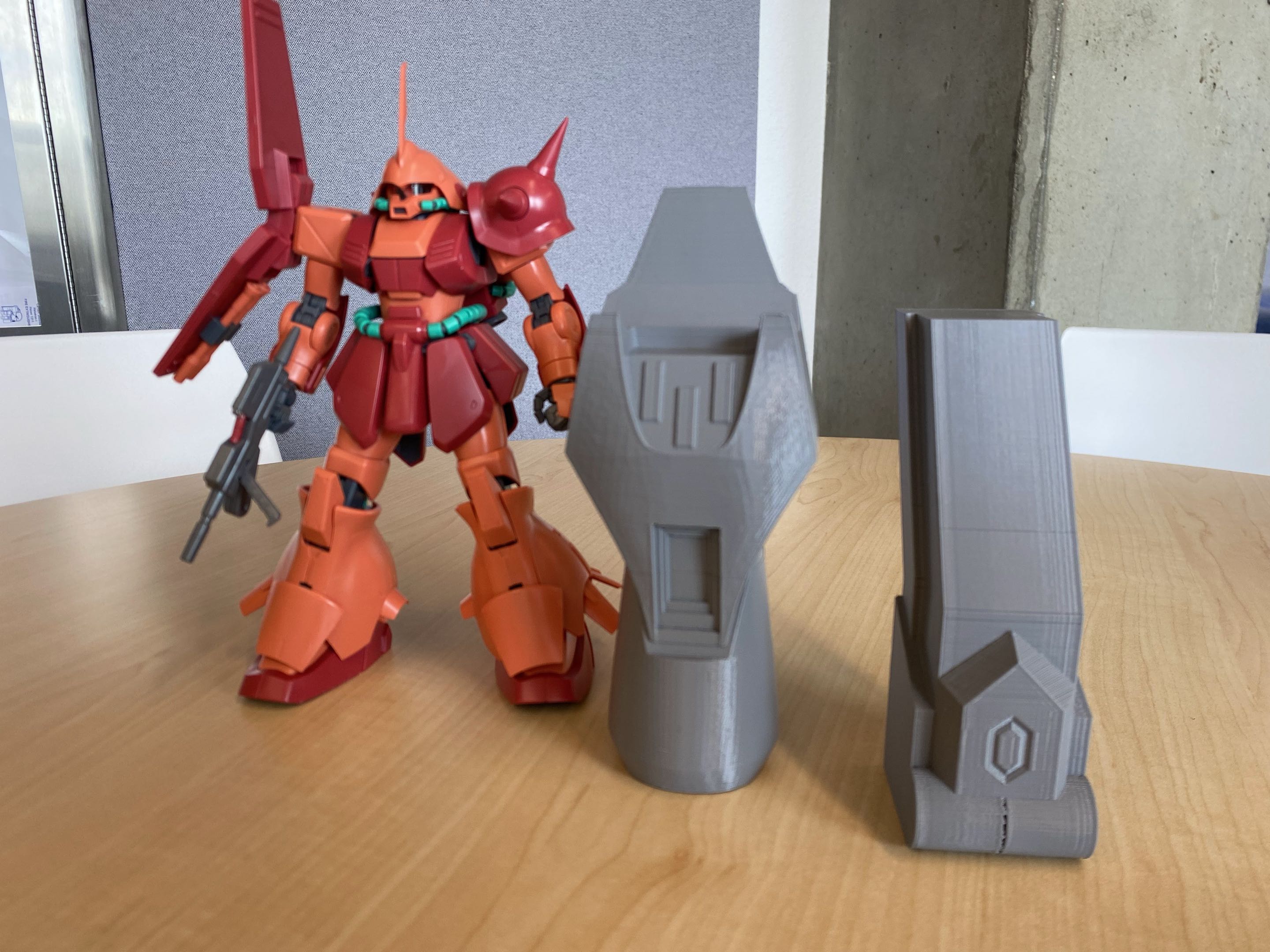
Arm and Spine Print Test
Large Filament Print of my models in real life next to master grade rms-108 marasai
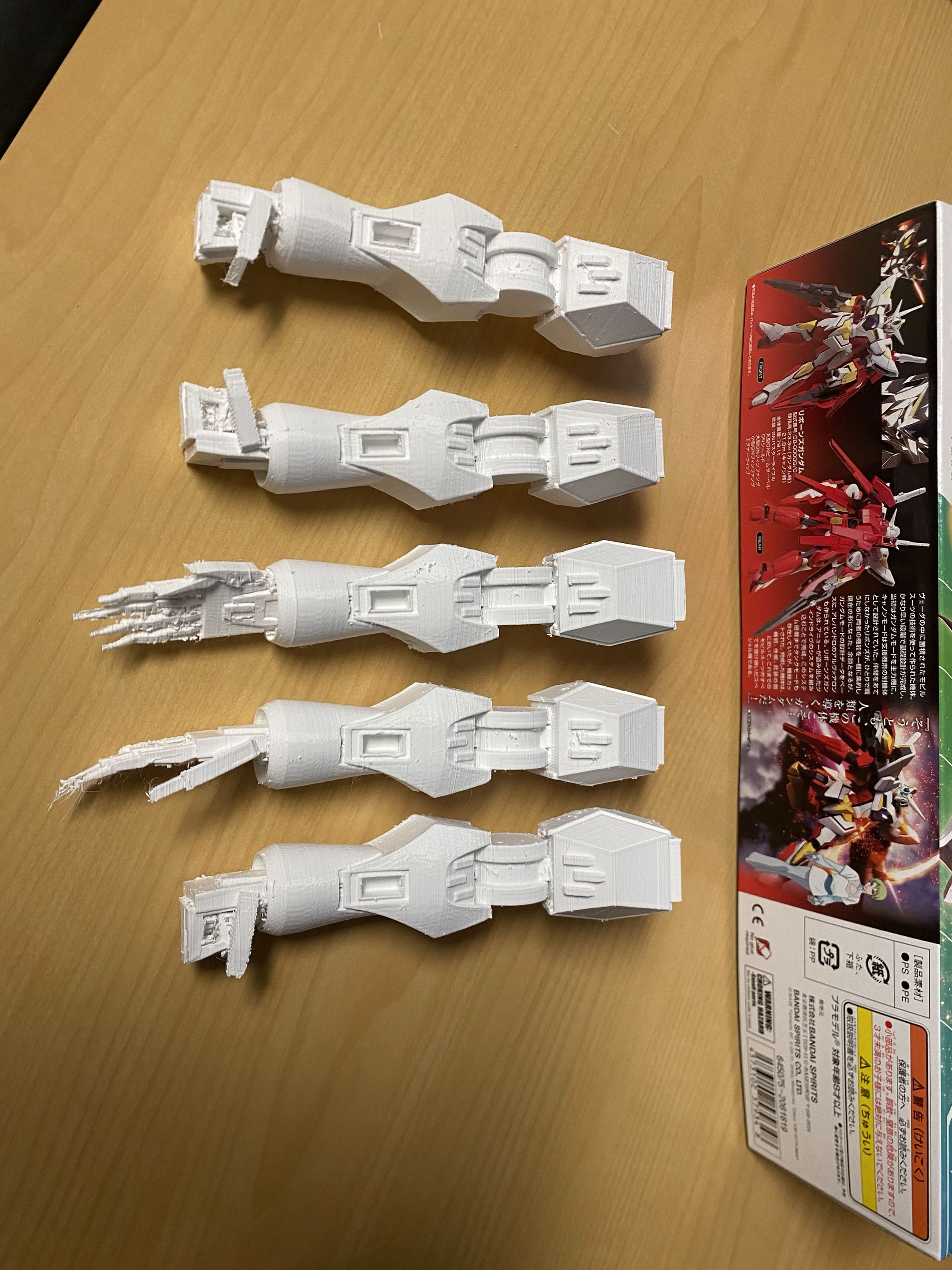
Full Arm
Kenneth modeled hands and bisep on blender and 3d printed them together as one complete arm.
10. Resin Printer Era
Major BreakthroughA major turning point came when I gained access to resin printing.
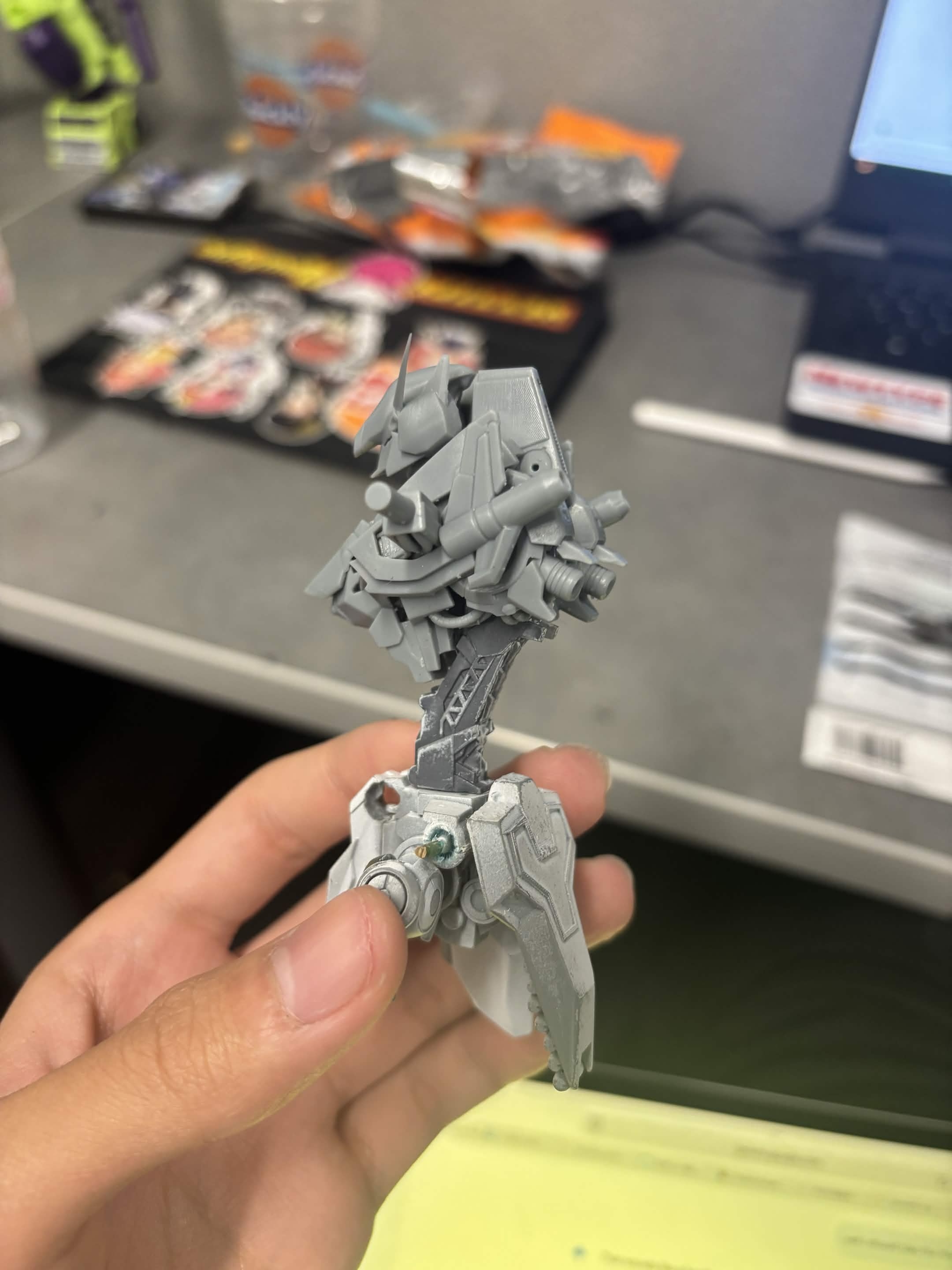
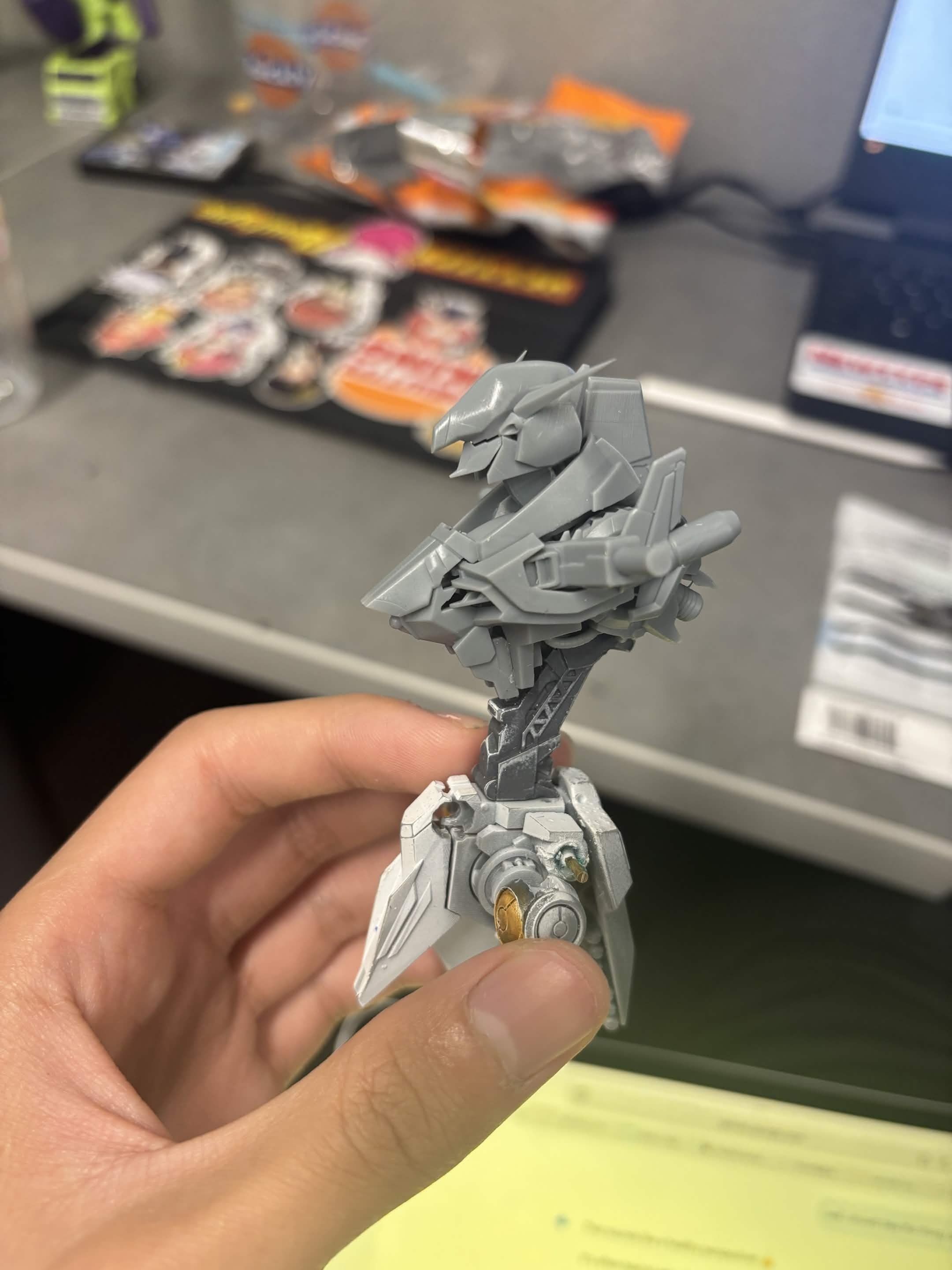
Compared to FDM printing, resin technology allowed significantly higher detail, smoother surfaces, and far greater precision. Small panel lines, armor details, mounting features, and custom mechanical parts became practical to manufacture.
This transformed the project. Instead of adapting designs around manufacturing limitations, I could focus on creating the parts exactly as I envisioned them.
The transition from hand-built components to digitally designed and resin printed components dramatically accelerated development. Parts became cleaner, more consistent, and easier to iterate.
At this stage, Faelestial Gundam evolved from a custom build into a complete design and fabrication project.
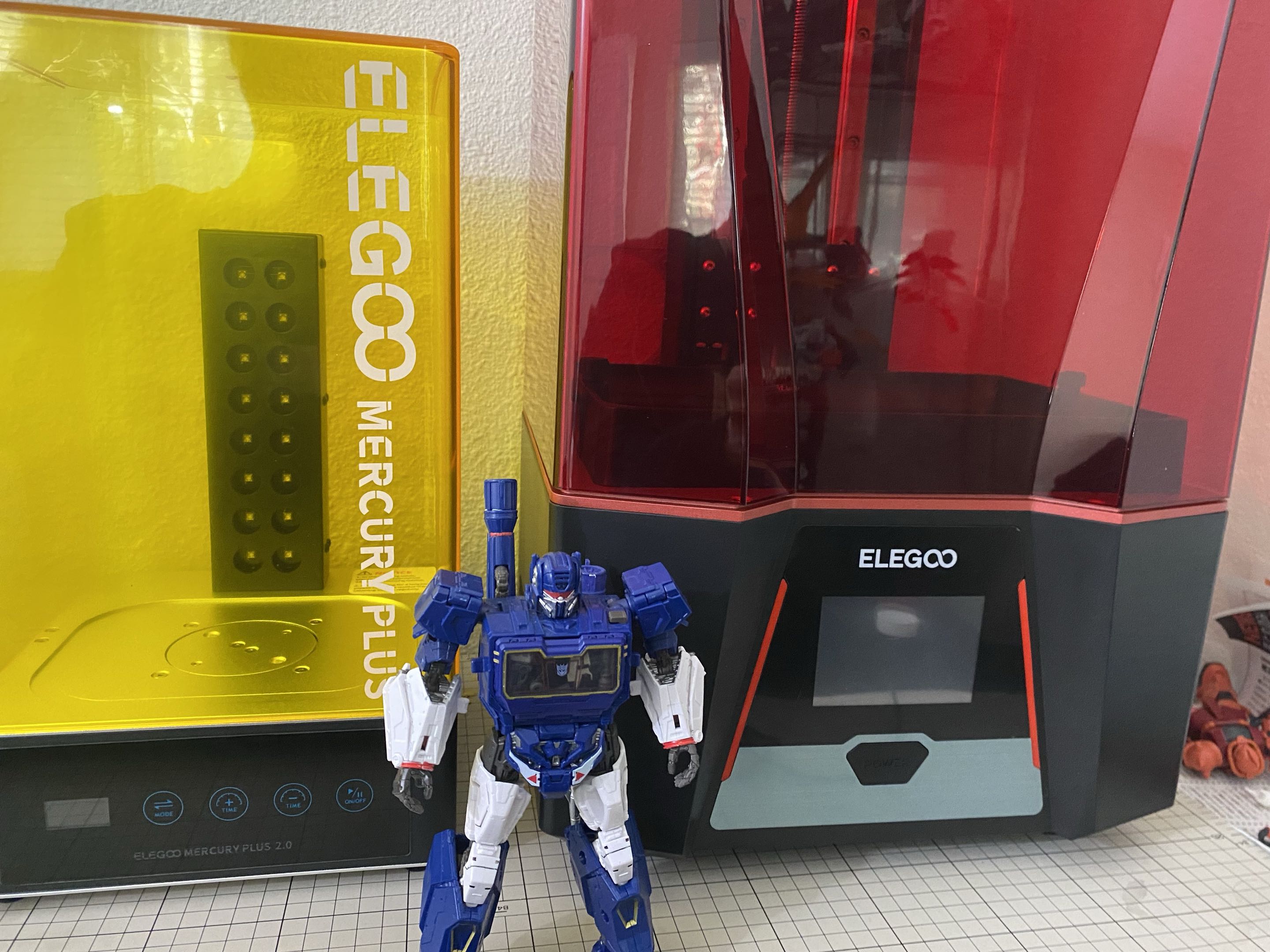
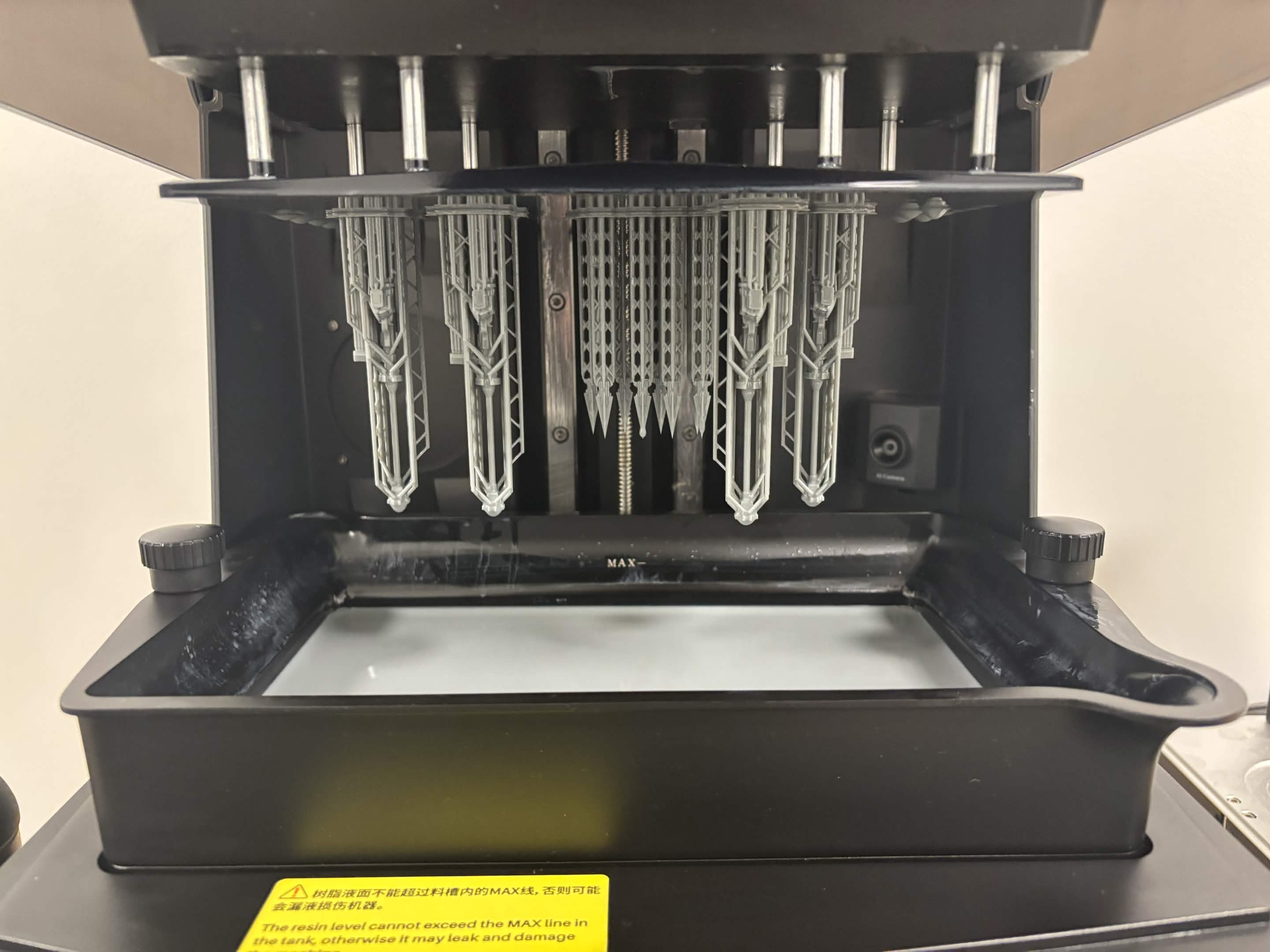
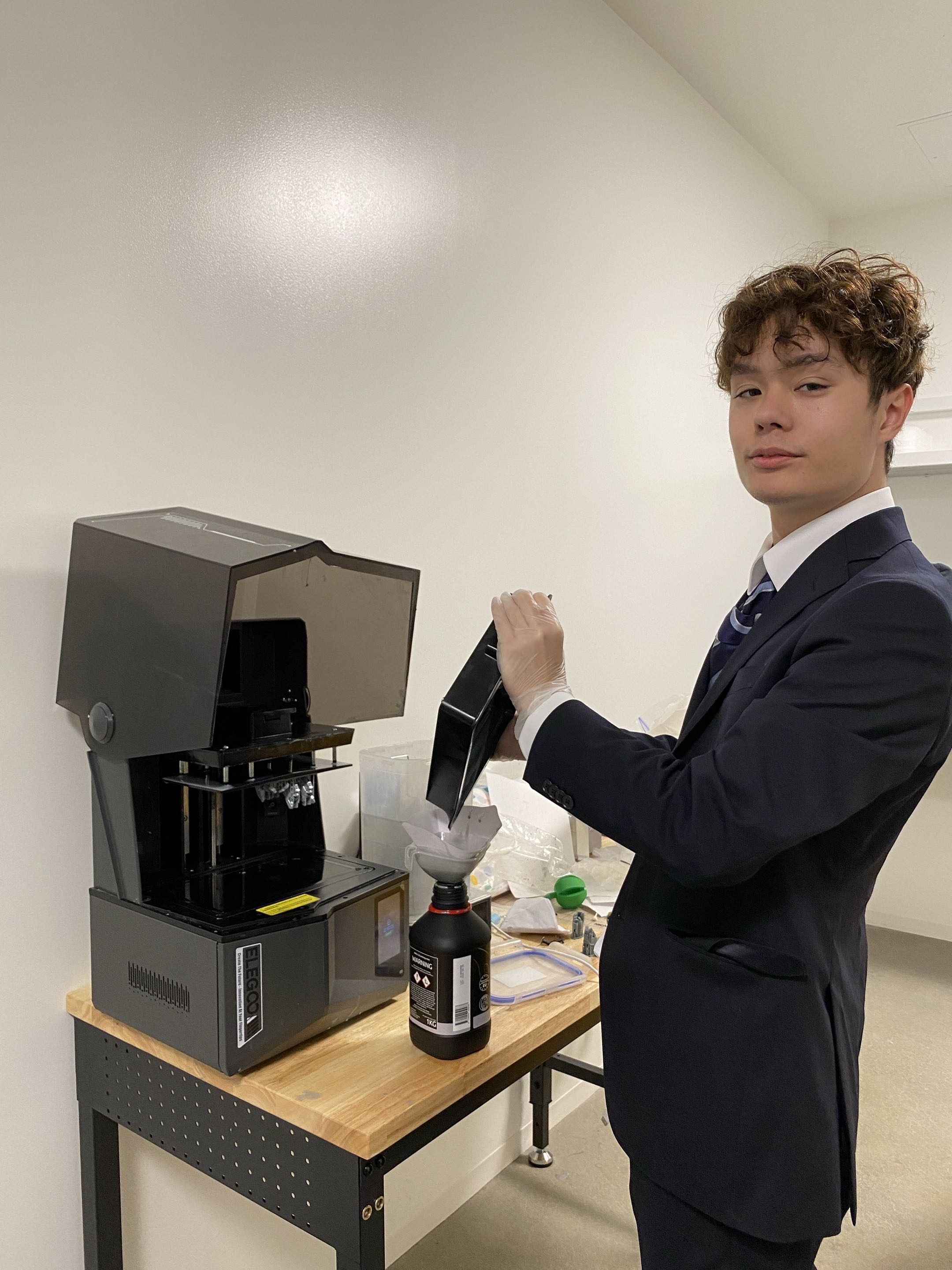
Resin Printer
Primary resin printer used during development.
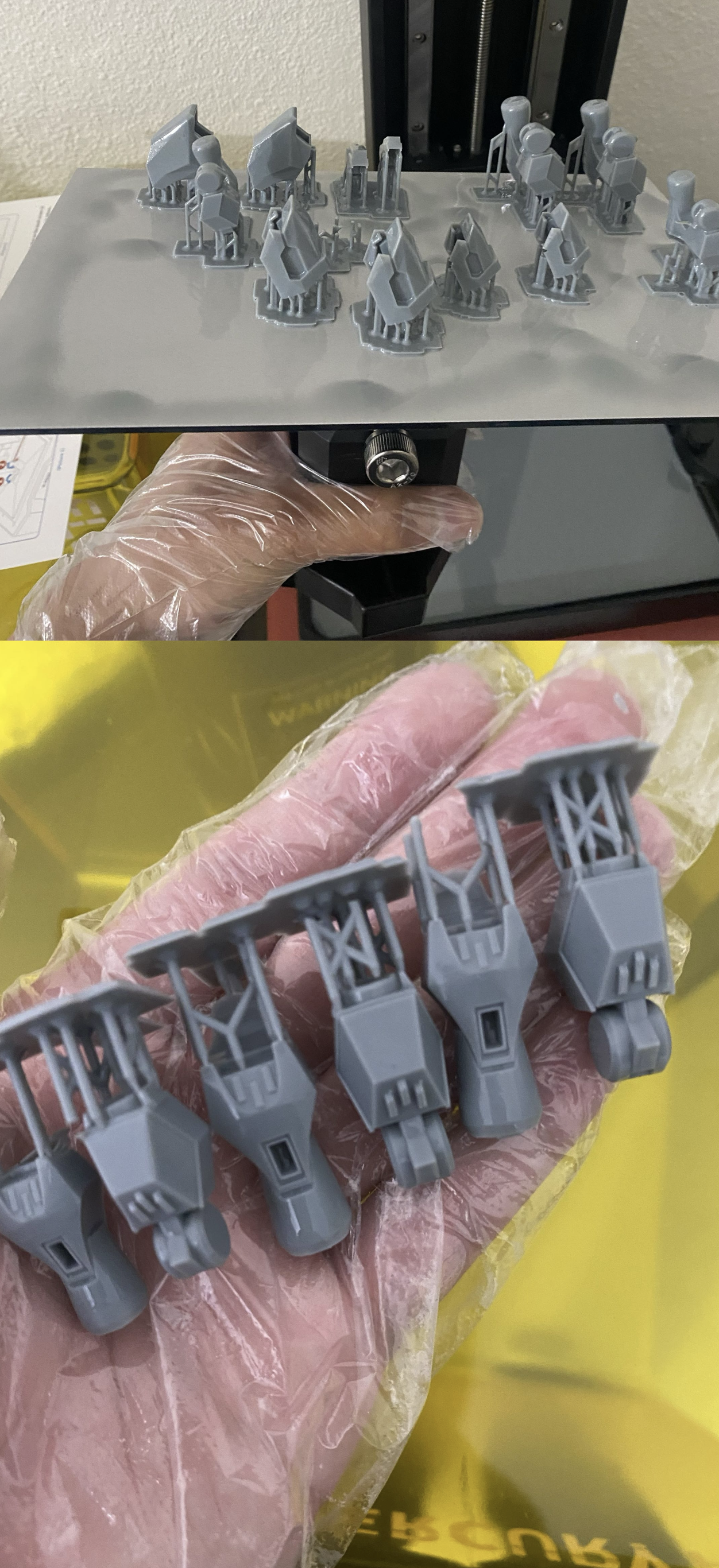
Printed Armor
Custom armor components manufactured through resin printing.
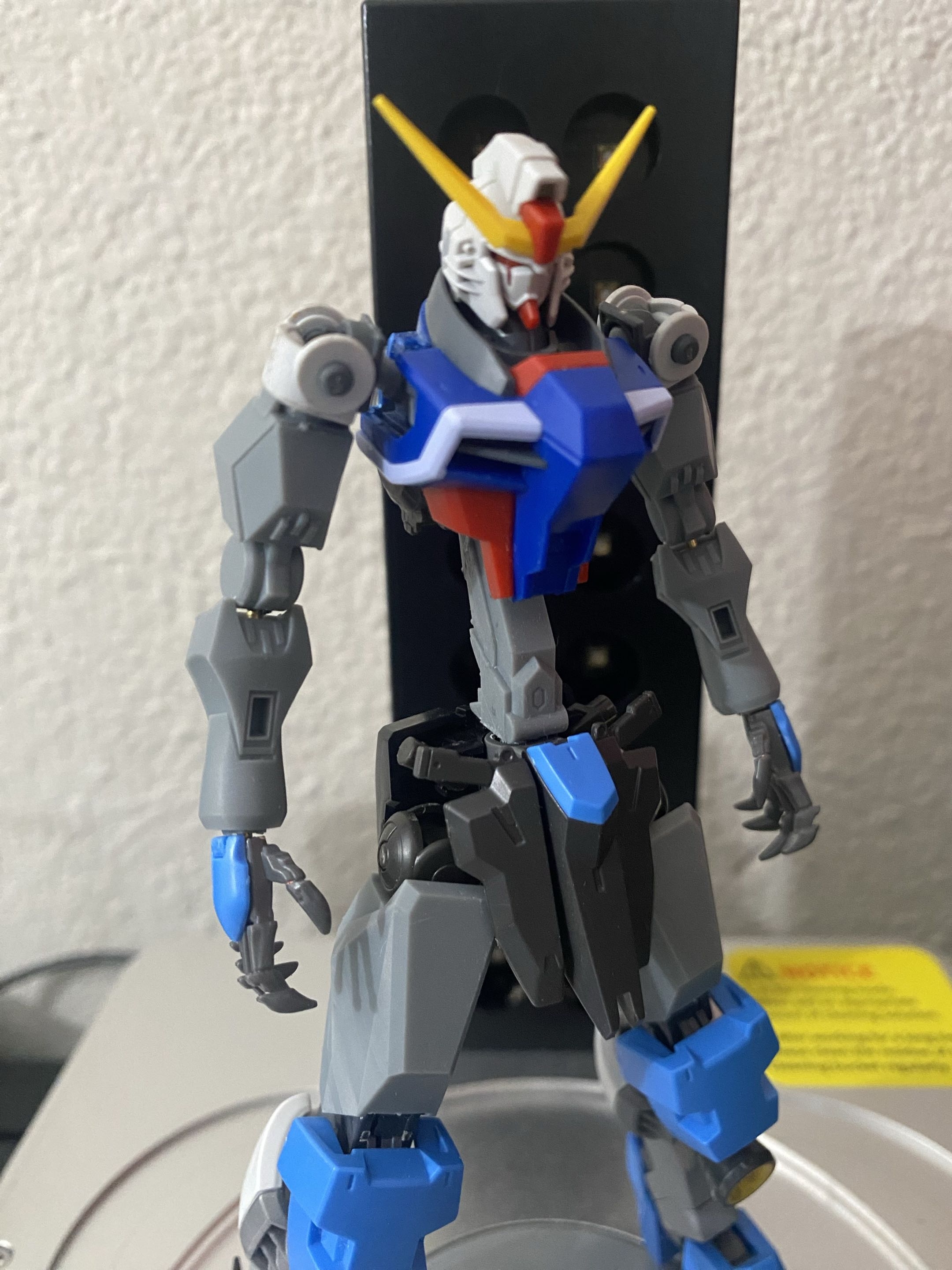
Test Fit
Resin Pieces on Scratch Built Faelestial Gundam
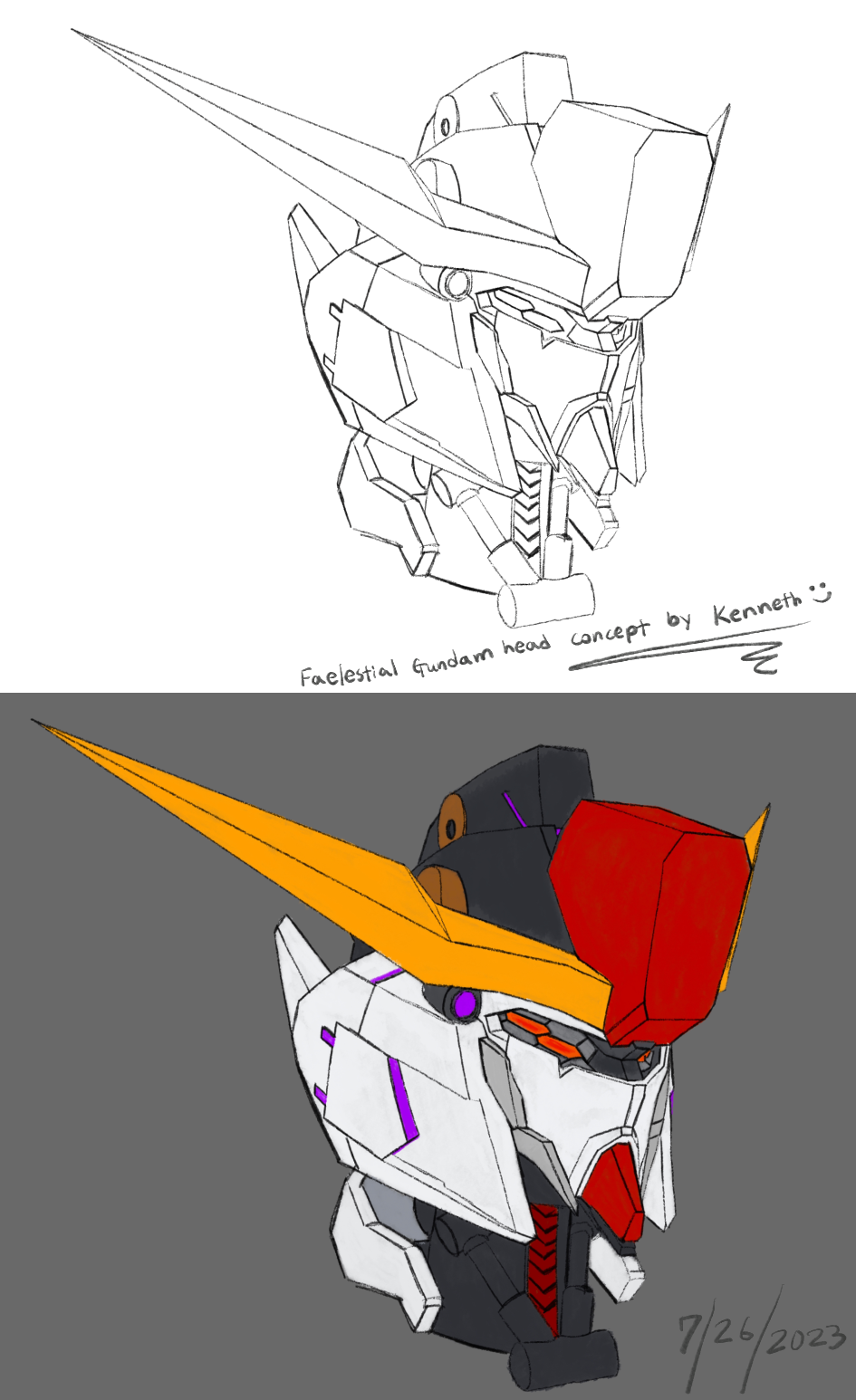
Head Concept Art
Early concept direction for the custom head design.
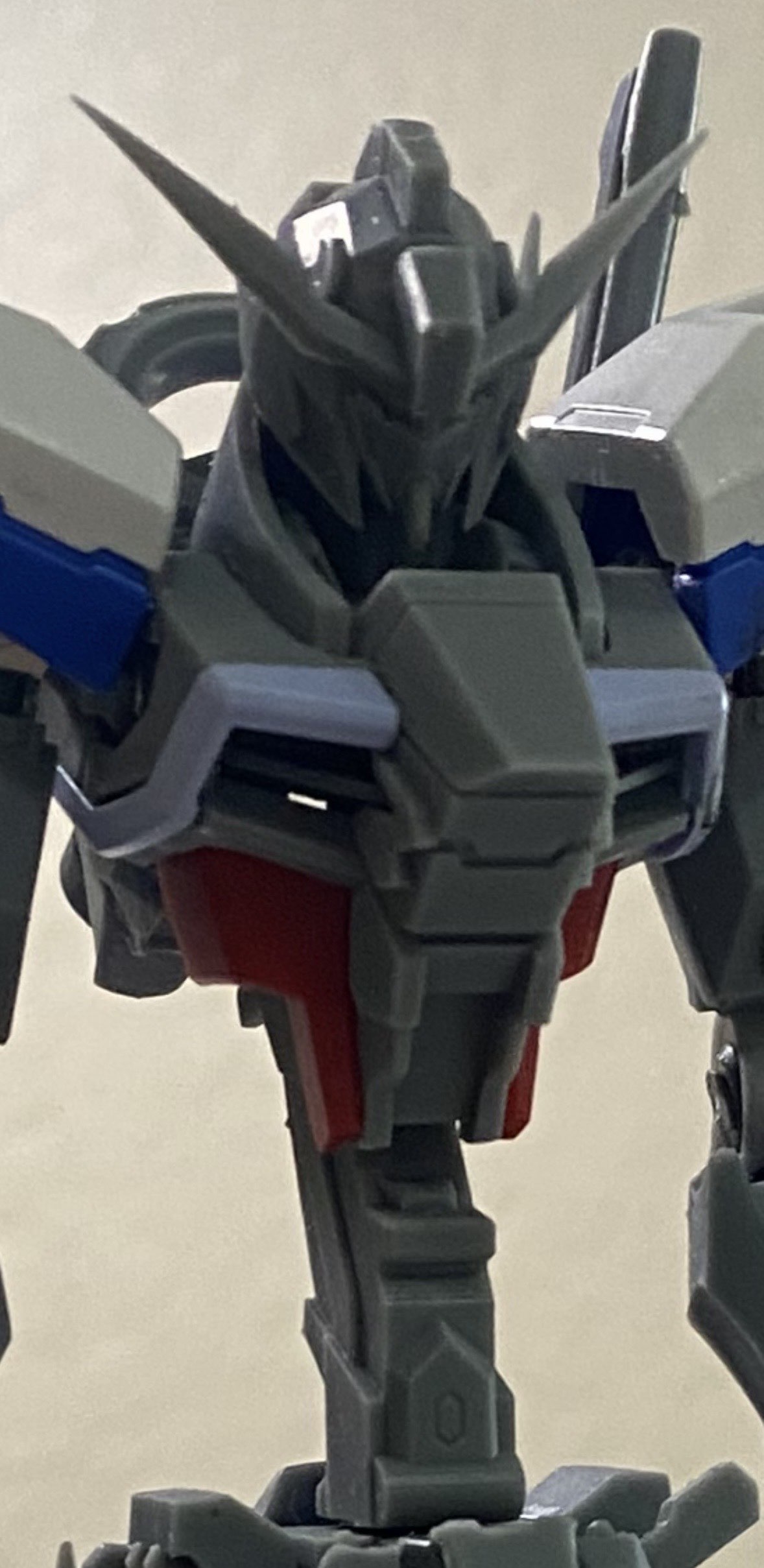
Initial Resin Build
First assembled form after early resin printed components.
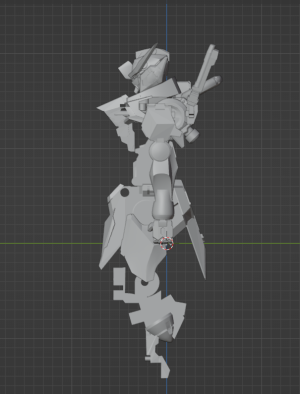
Pre-Mk I Transition
Final development stage before completing the Mk I version.
11. Faelestial Gundam Mk-I
First Complete VersionBy late 2023 and early 2024, enough components had been modeled and fabricated to create the first complete version of Faelestial Gundam.
This version represented years of experimentation across physical fabrication, digital design, and manufacturing.
The Mk-I incorporated custom armor, an original head design, redesigned body proportions, and many of the visual themes that would define the project going forward.
For the first time, I was able to create renders, blueprint-style imagery, and full-body visualizations that matched the machine I had imagined for years.
The Mk-I successfully proved that the core concept worked. However, studying the physical model and renders revealed areas that still needed improvement.
Rather than treating the project as finished, I treated Mk-I as a prototype that would guide the next stage of development.
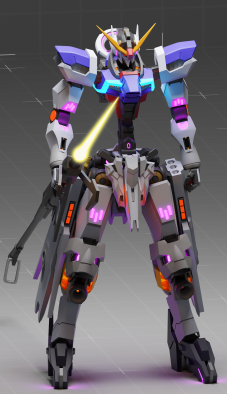
Mk-I Render
Full body render of the Mk-I design.
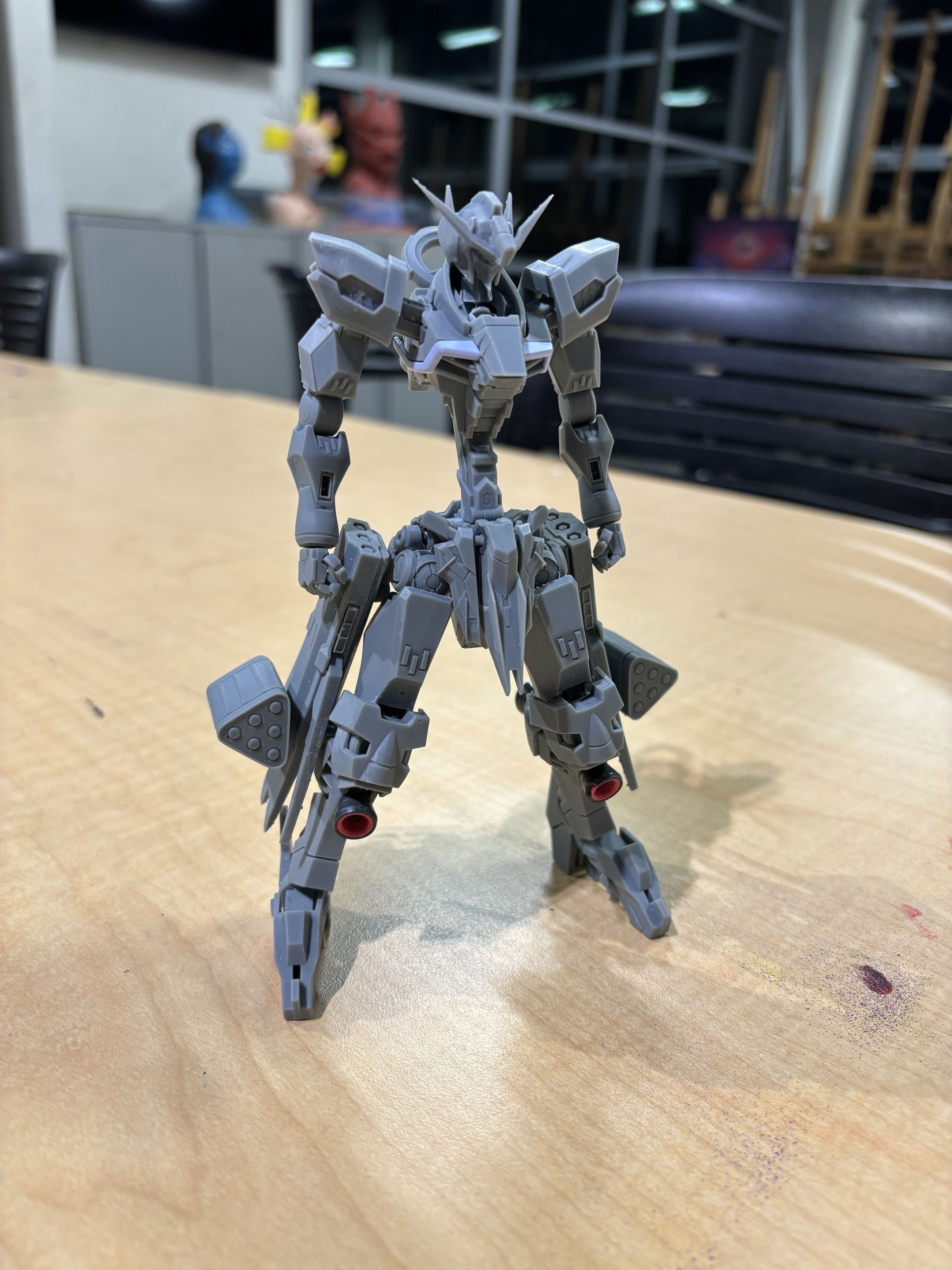
Mk-I Physical Build
Resin printed version of the Mk-I design.
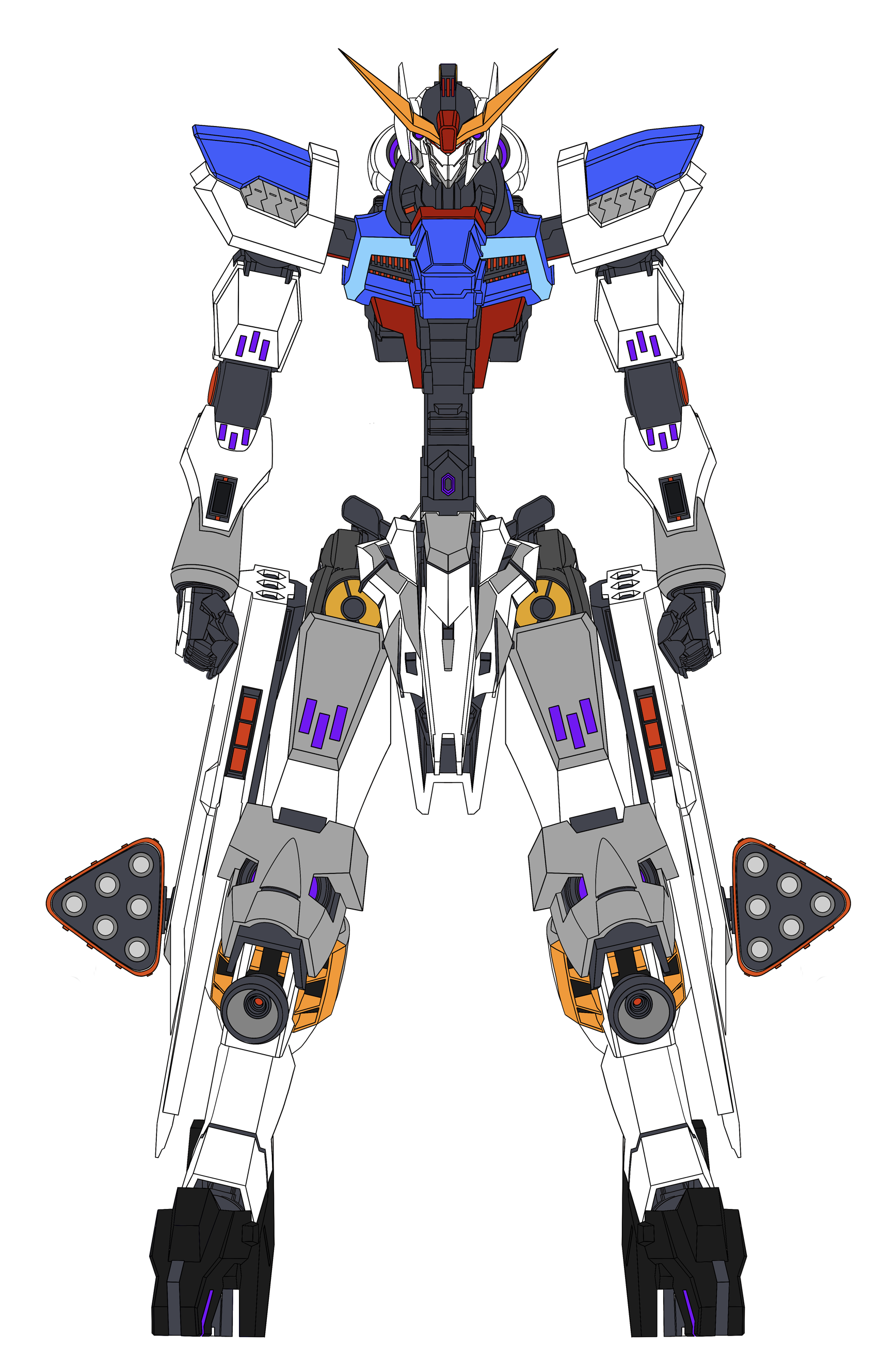
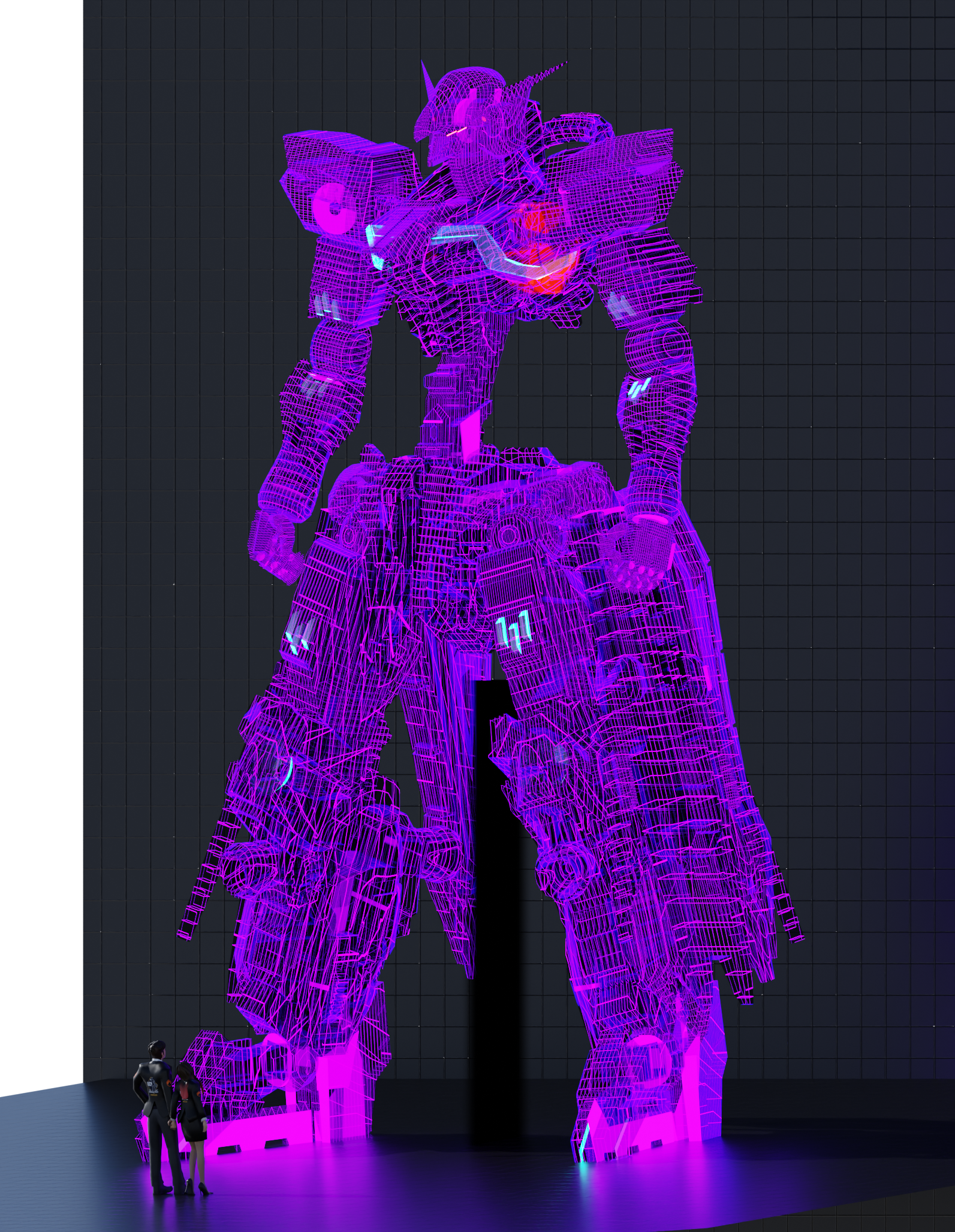
Blueprint View
Technical style presentation render.
Stand Animation
Early standing animation test.
12. Faelestial Gundam Mk-II Redesign
Design RefinementAfter reviewing the Mk-I prototype, I began redesigning the project to better match the original vision.
Several areas were revisited, especially the head design, lower leg structure, overall silhouette, and visual balance.
The Mk-II redesign focused on improving identity. The goal was not to completely replace the earlier version, but to preserve its strengths while addressing areas that could be improved.
The lower legs received additional structure and mass, helping balance the body more effectively. New thruster elements and revised armor shapes created a stronger silhouette from multiple viewing angles.
The head redesign became one of the most important improvements. It established a clearer visual identity and brought together many of the influences that had inspired the project from the beginning.
The Mk-II phase demonstrated something important about long-term design work: the first successful version is not always the final version. Iteration, evaluation, and refinement are essential parts of the engineering and creative process.
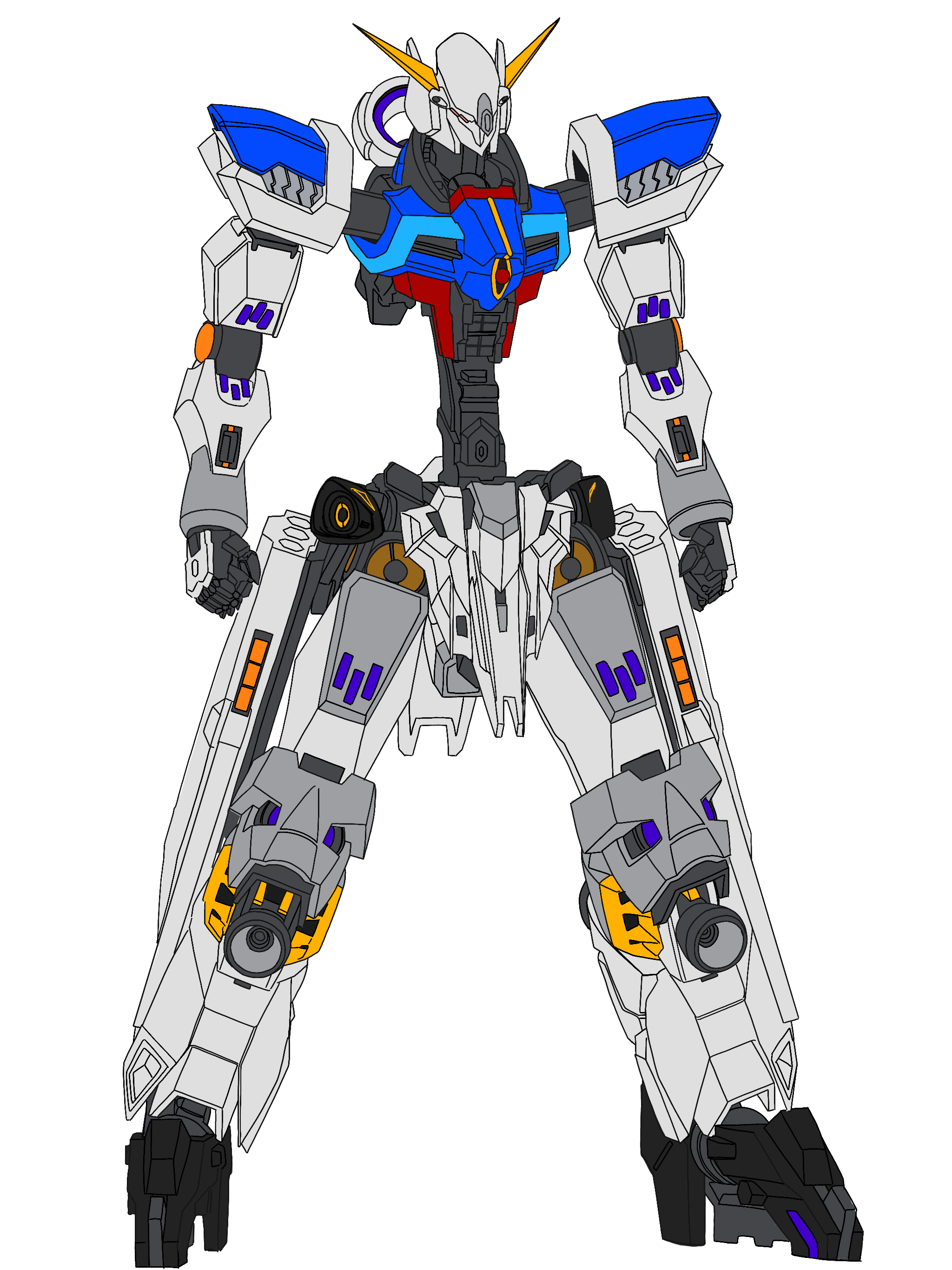
Mk-II Line Art
Original concept line art hand drawn by me.
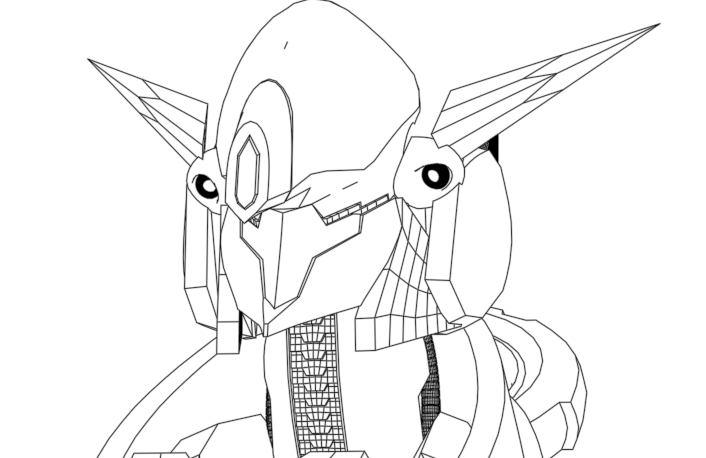
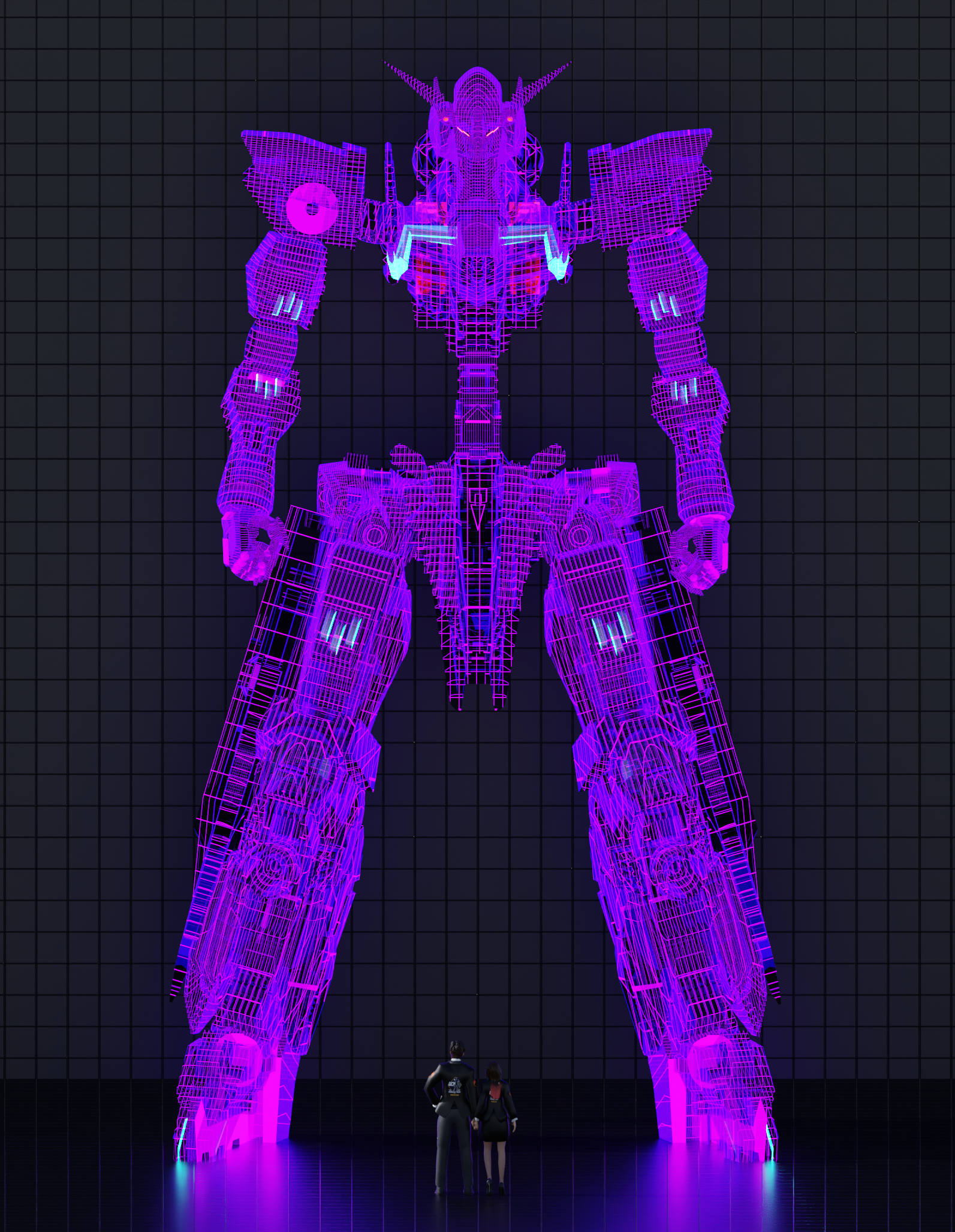
Head Blender Generated Line Drawing
Completed Mk-II head design drawing visionary.
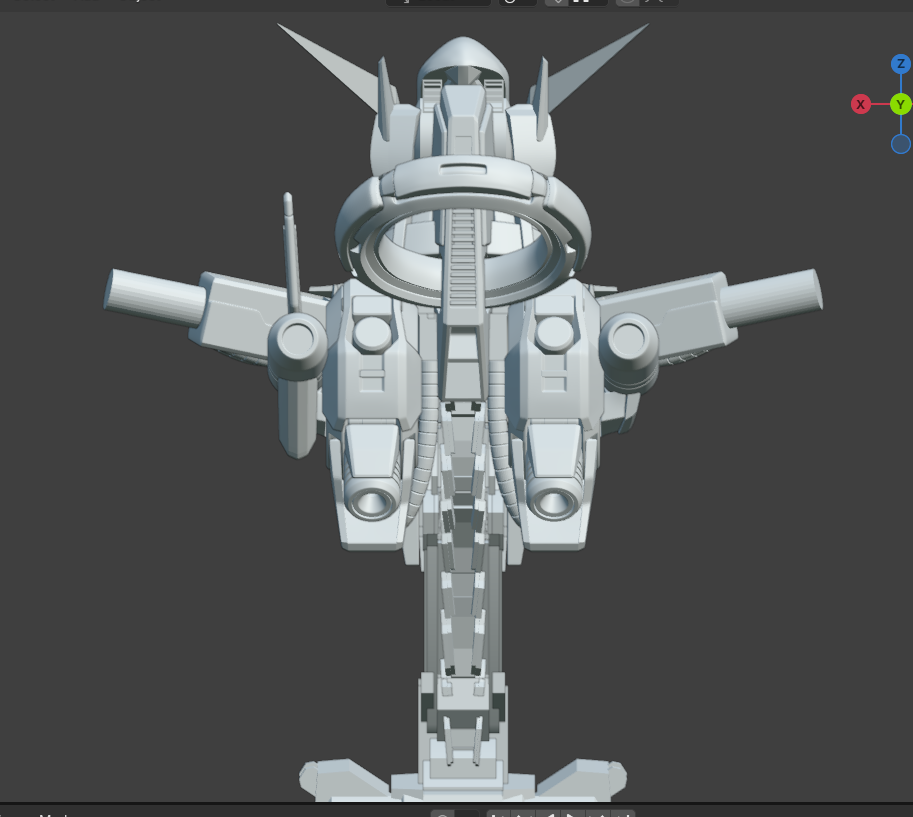
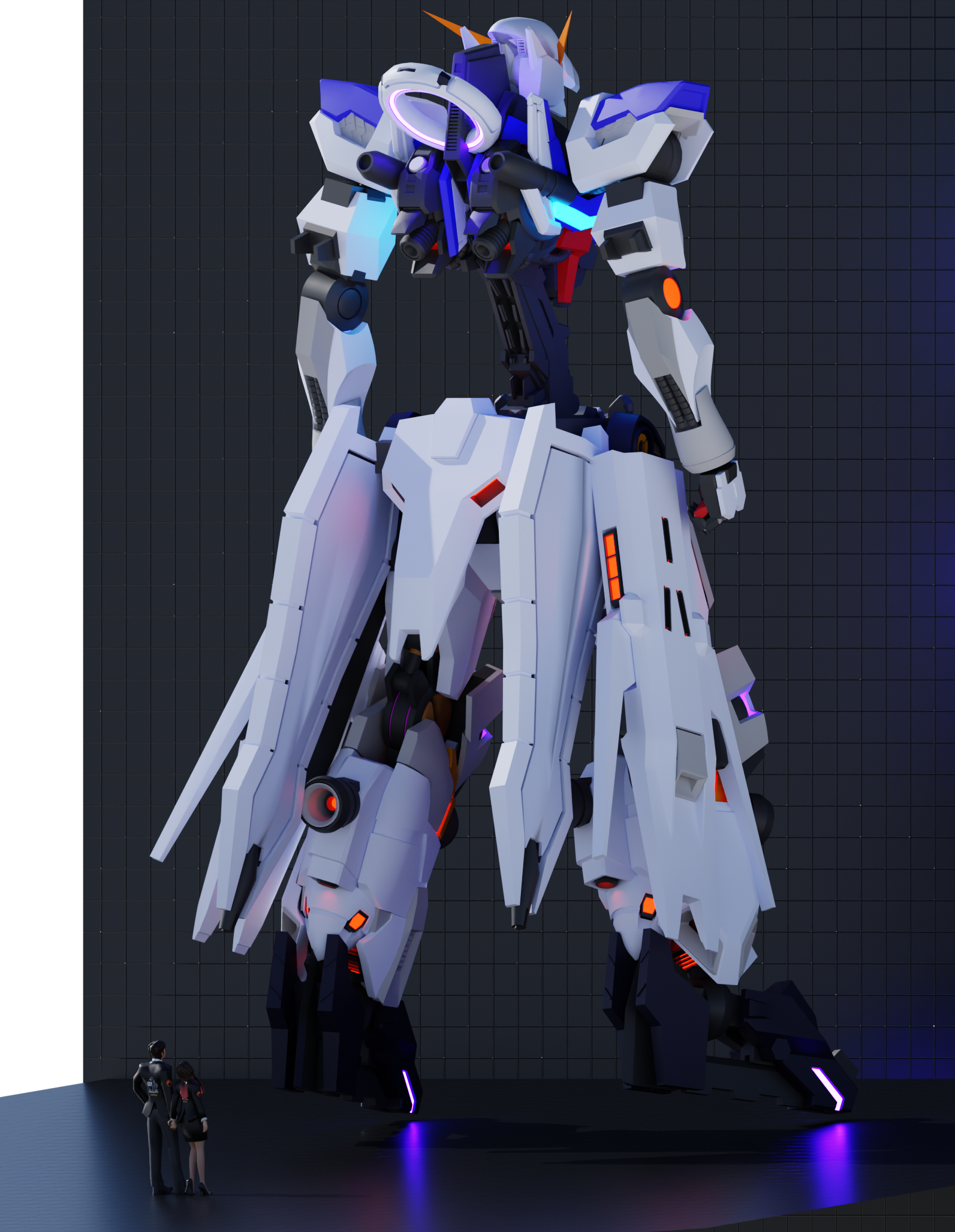
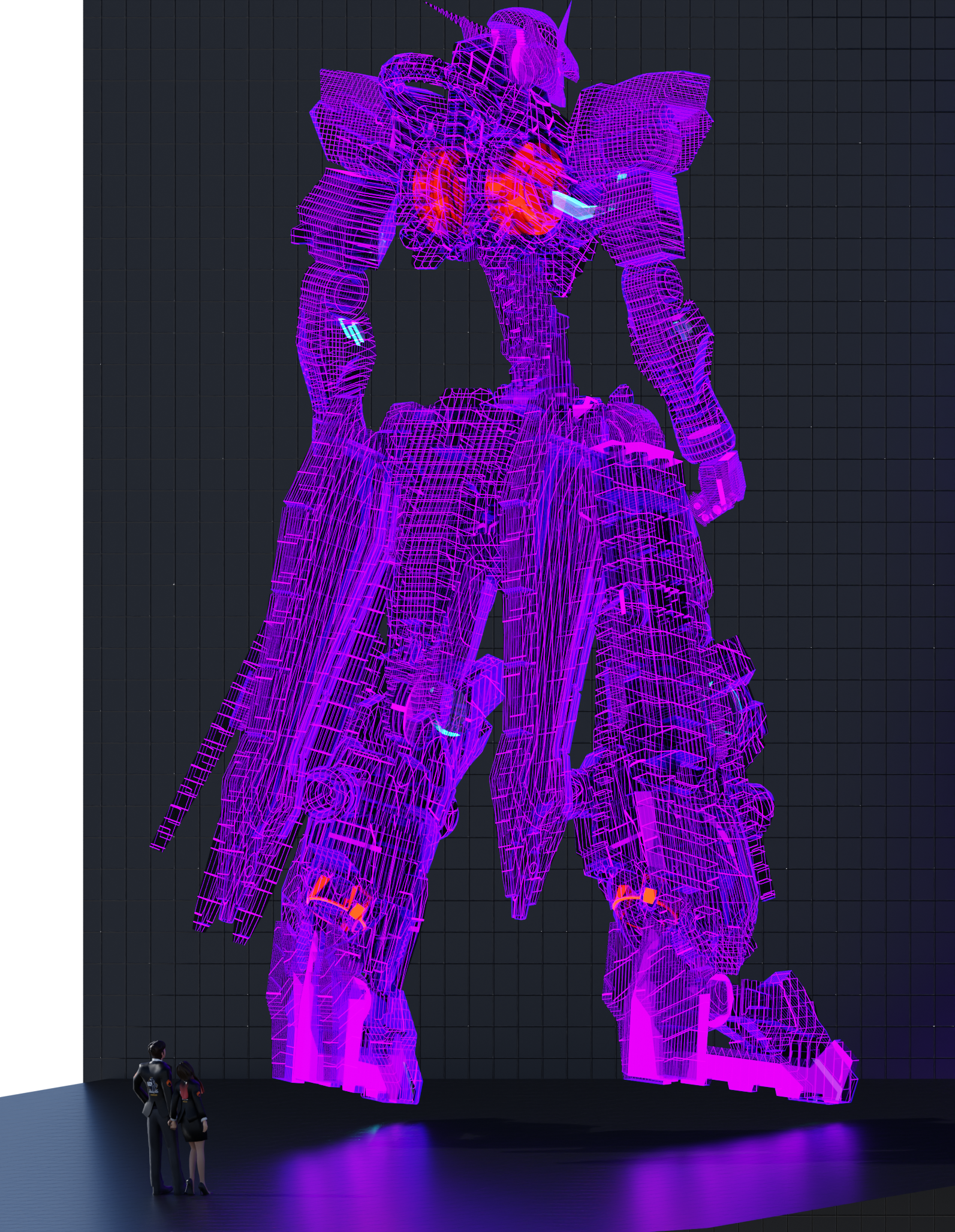
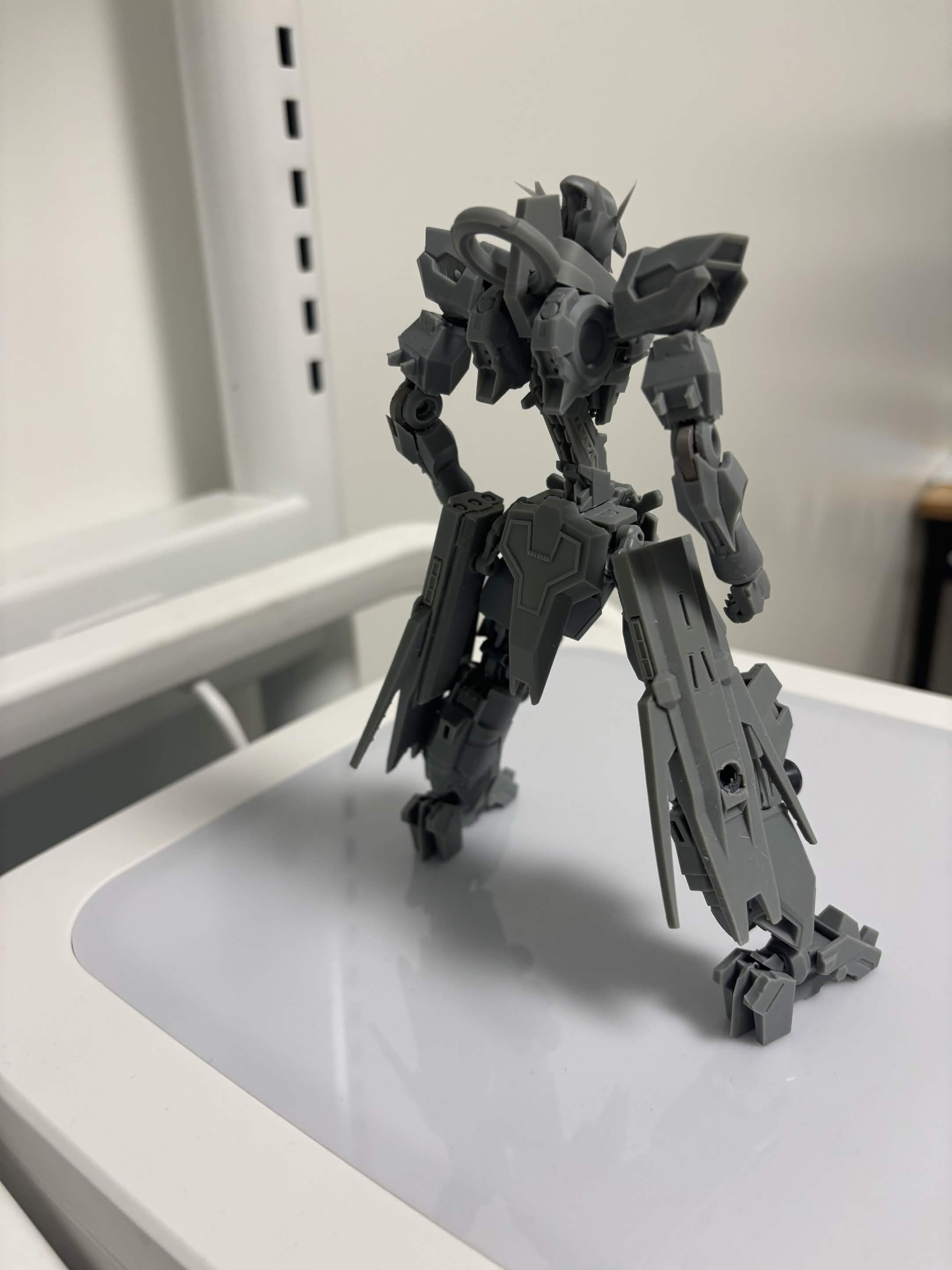
Back View CAD
Back view of the Gundam showing the hard surface modeling and its detailed mechanical spine pieces
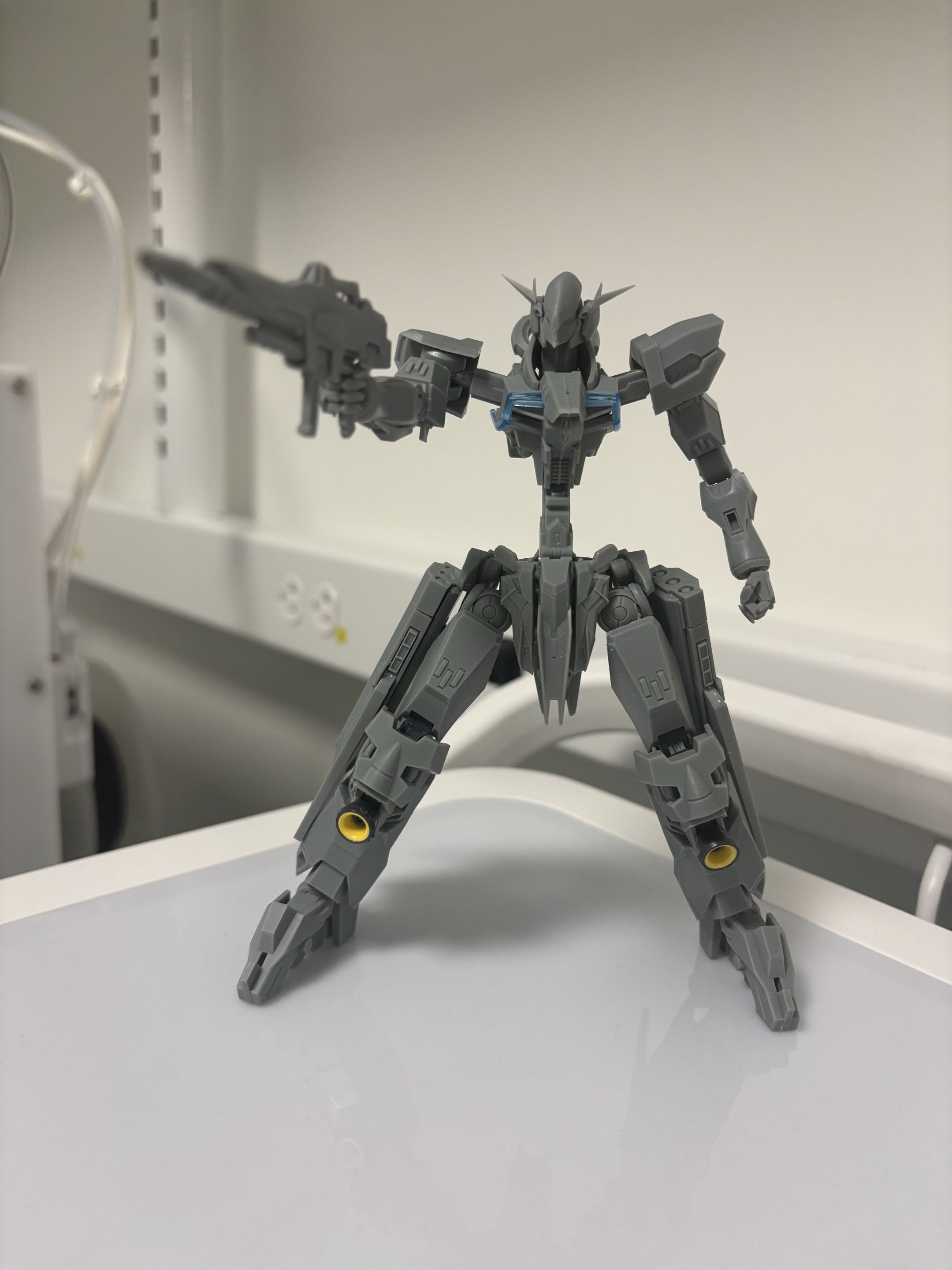
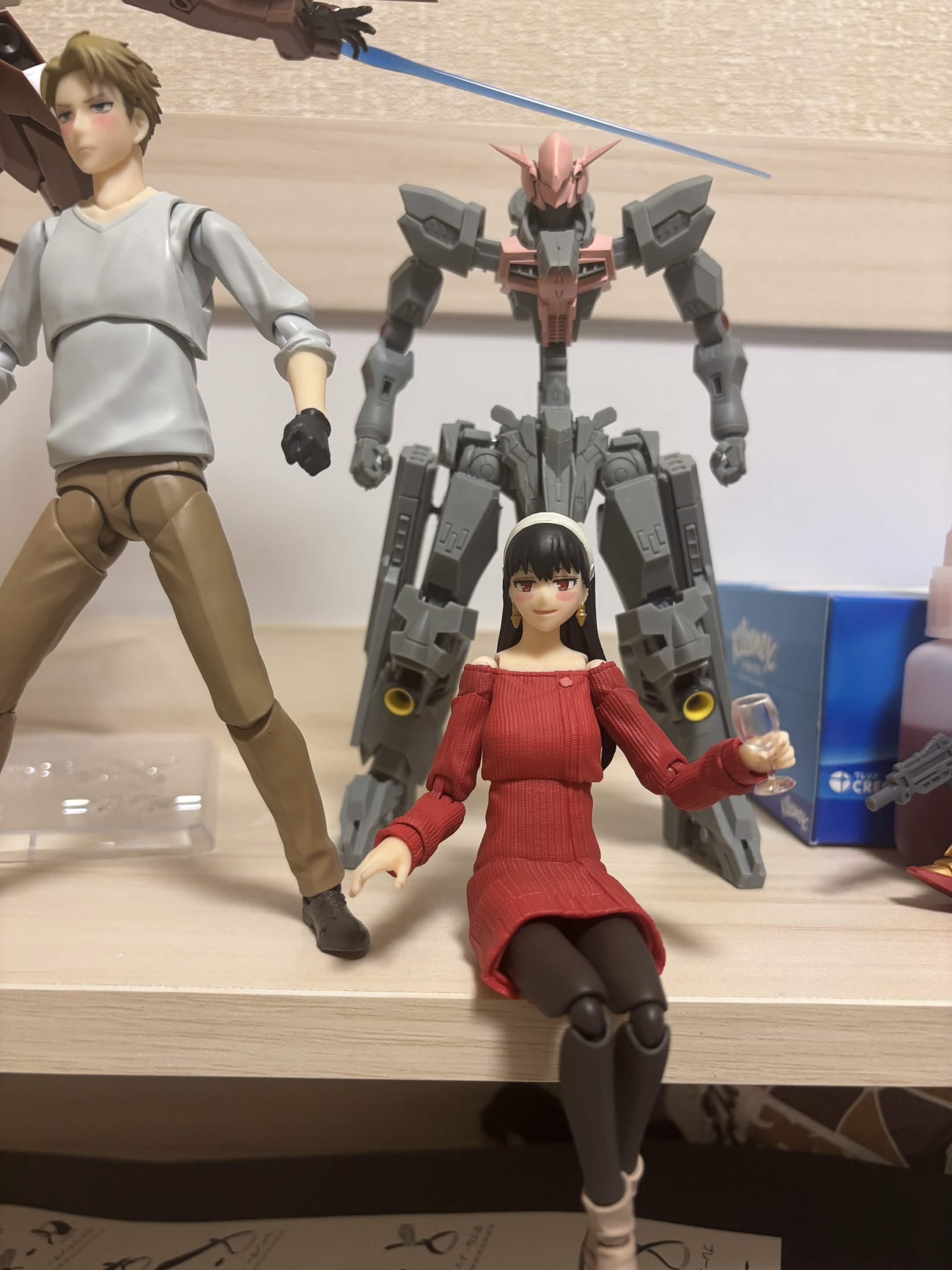
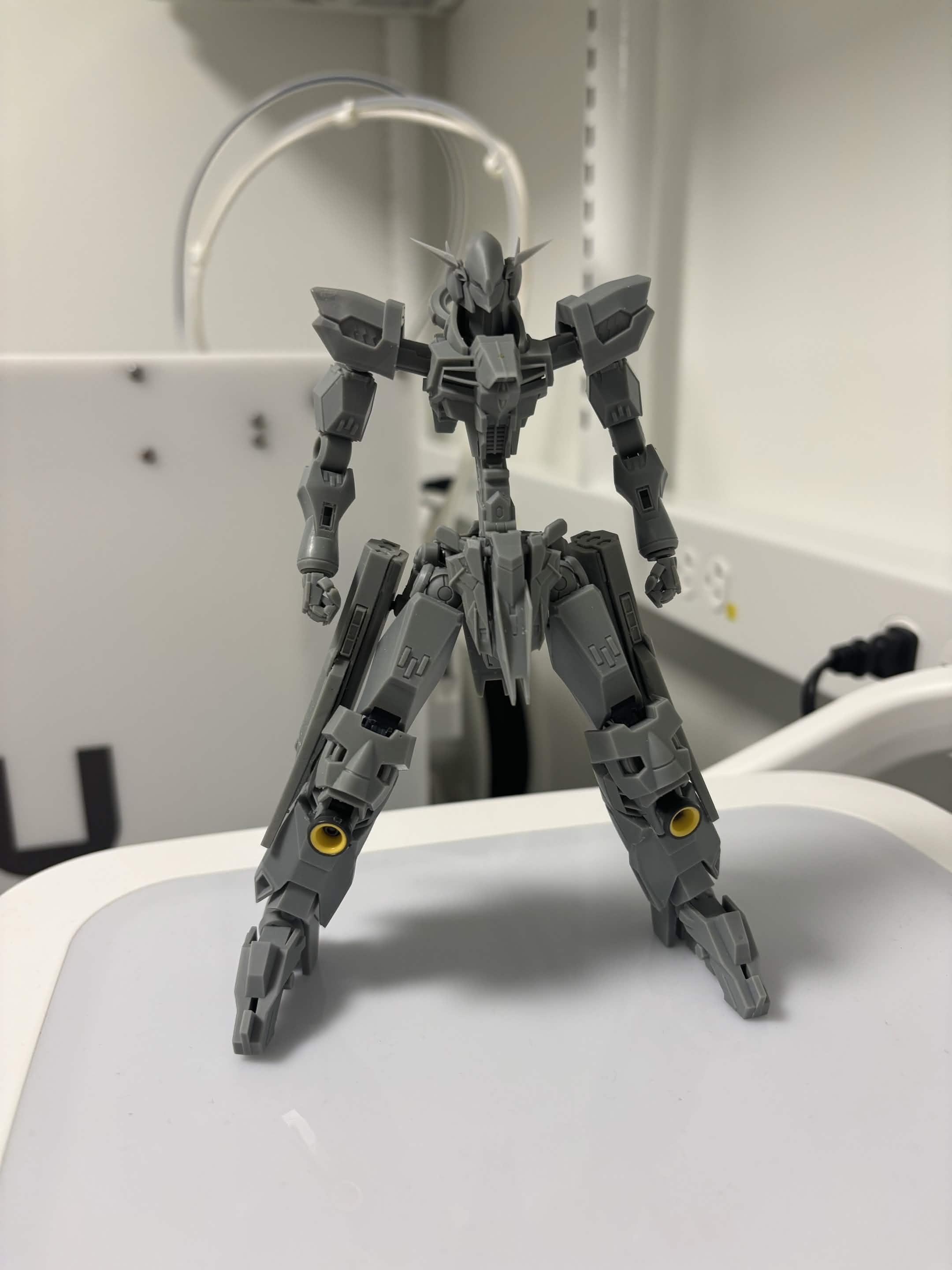
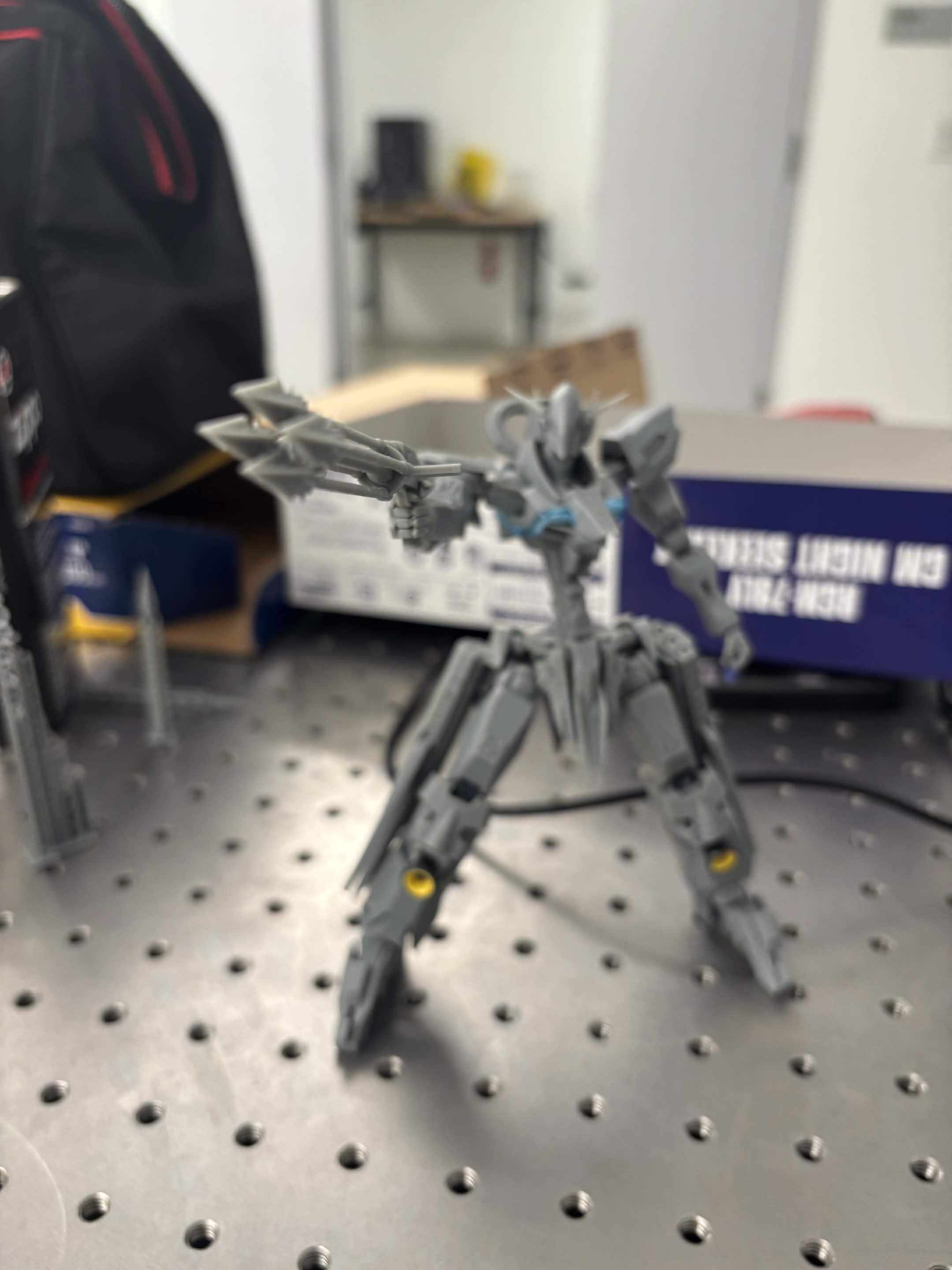
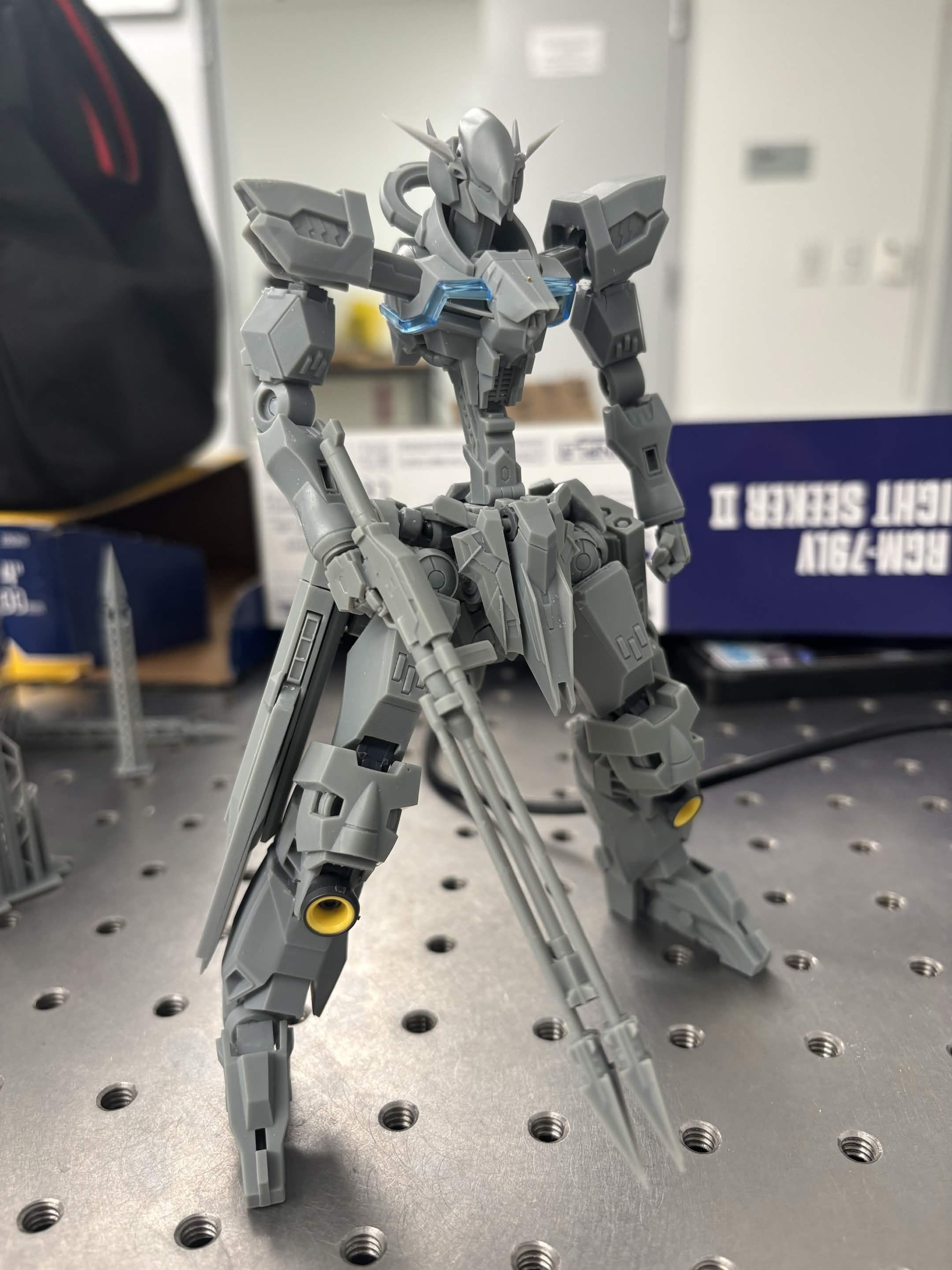
Resin Printed MK-II striking a pose
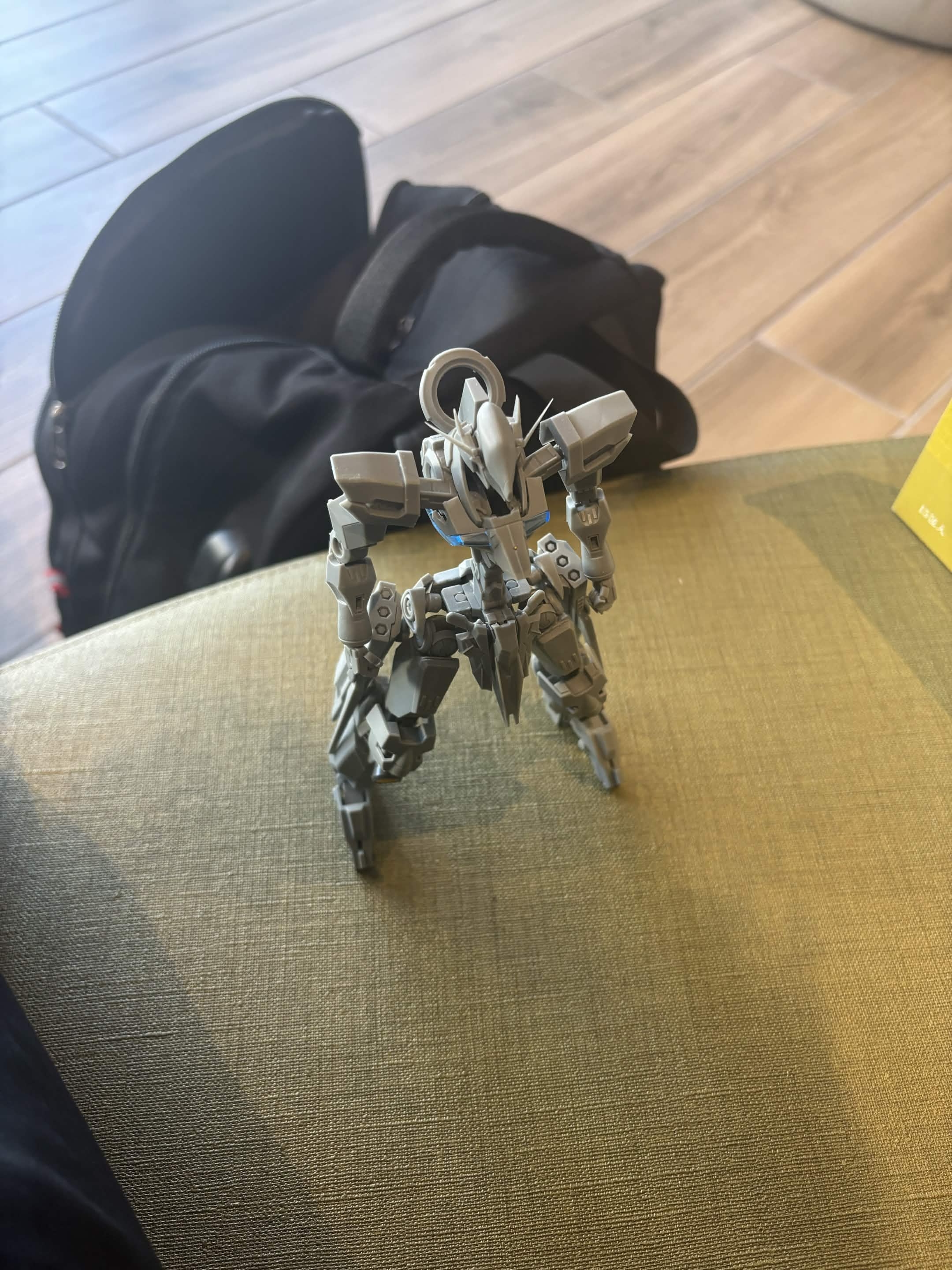
Resin Model Showcasing its ability to move each limbs to strike a pose w/ perfectly tuned joints holding up.
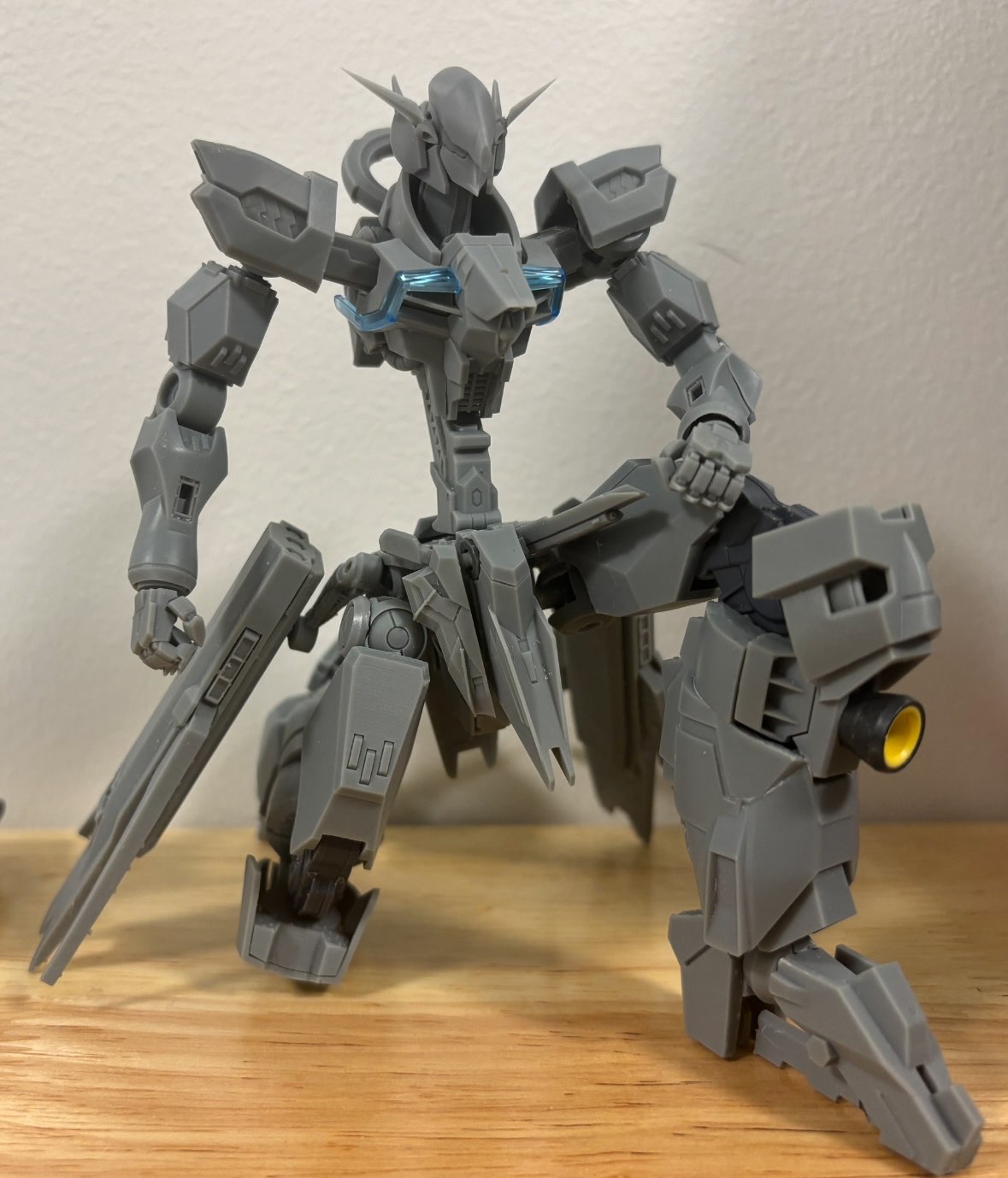
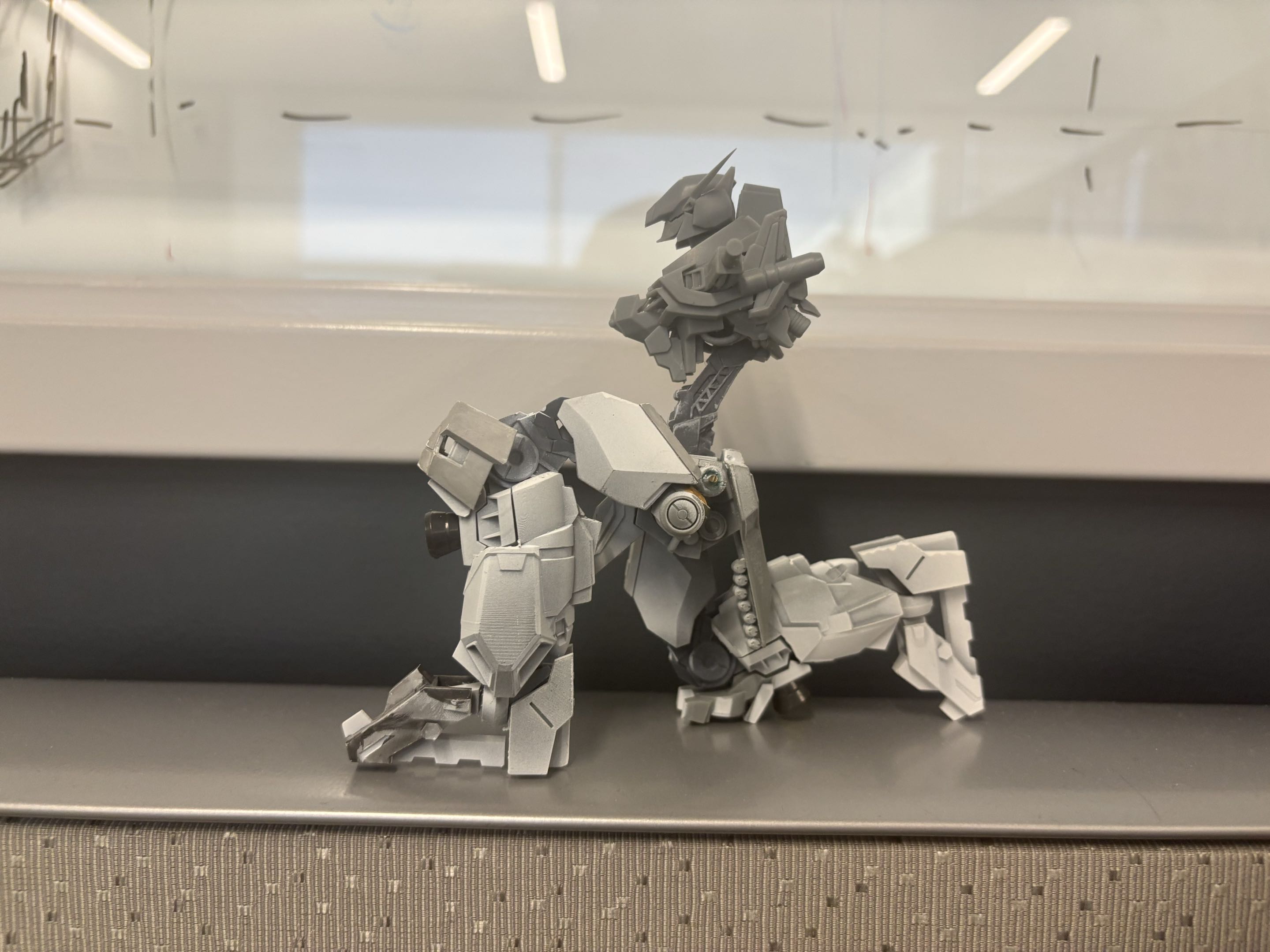
Kneeling Pose
Resin Printed MK-II doing the perfect Kneeling pose like its predecessor, showcasing its range of movements
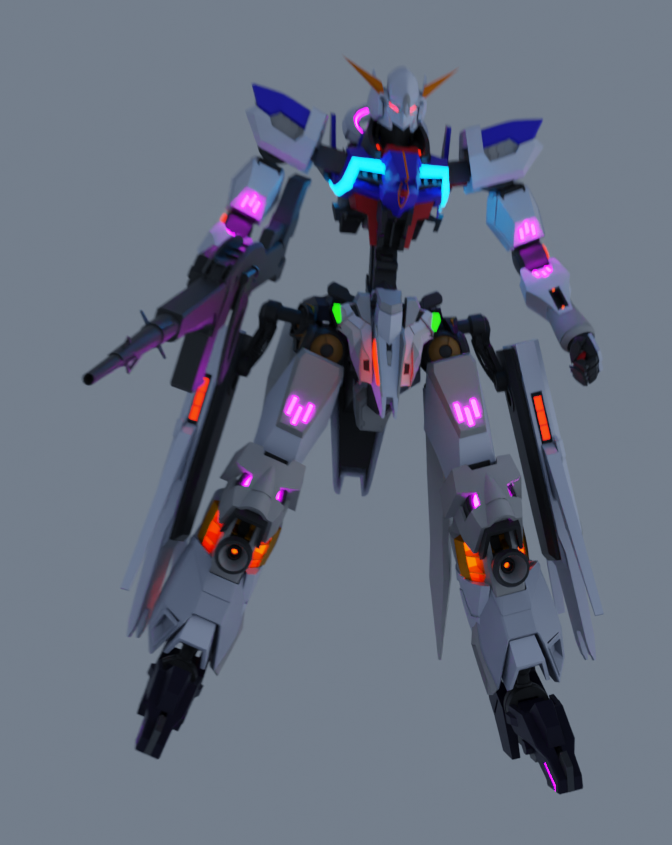
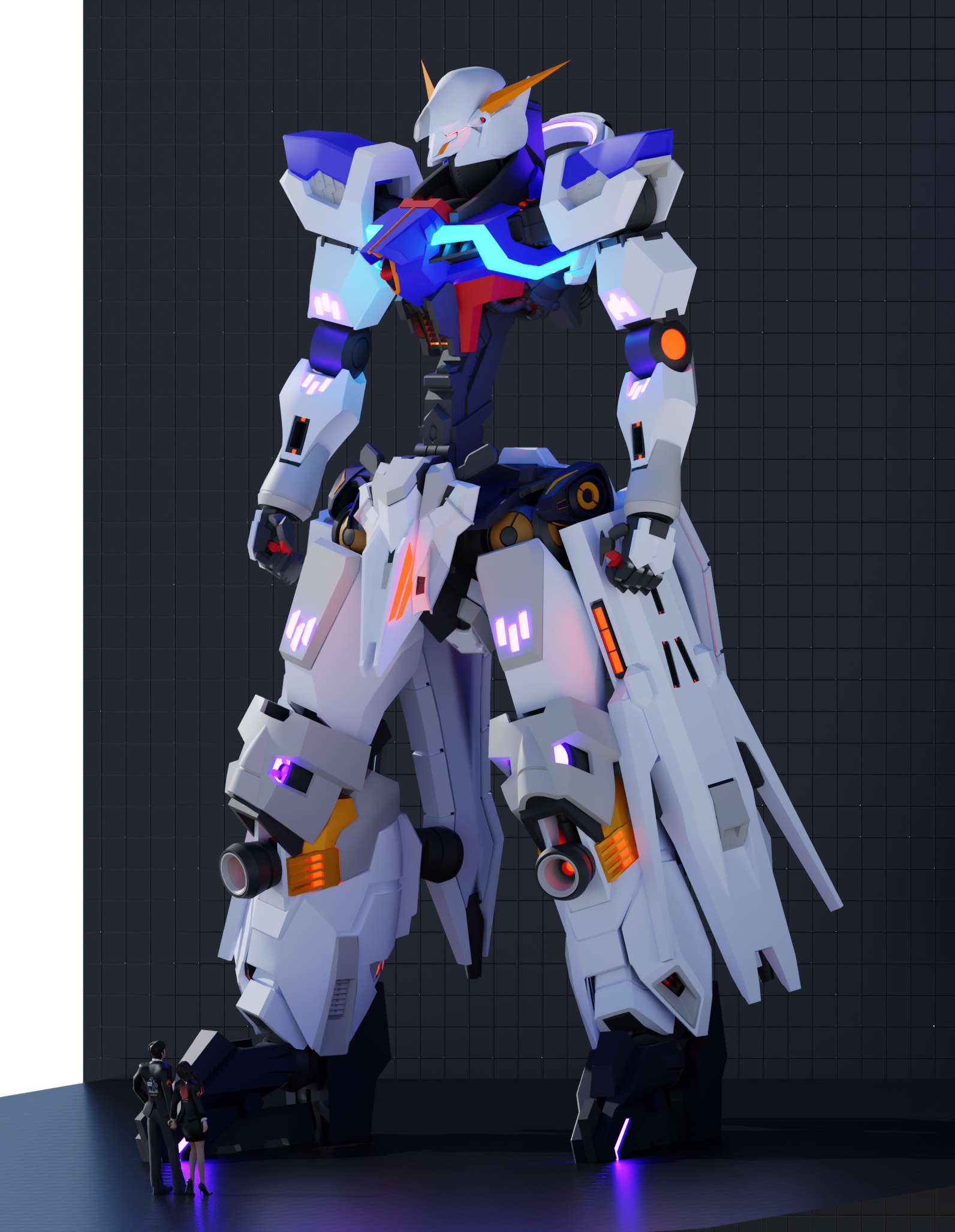
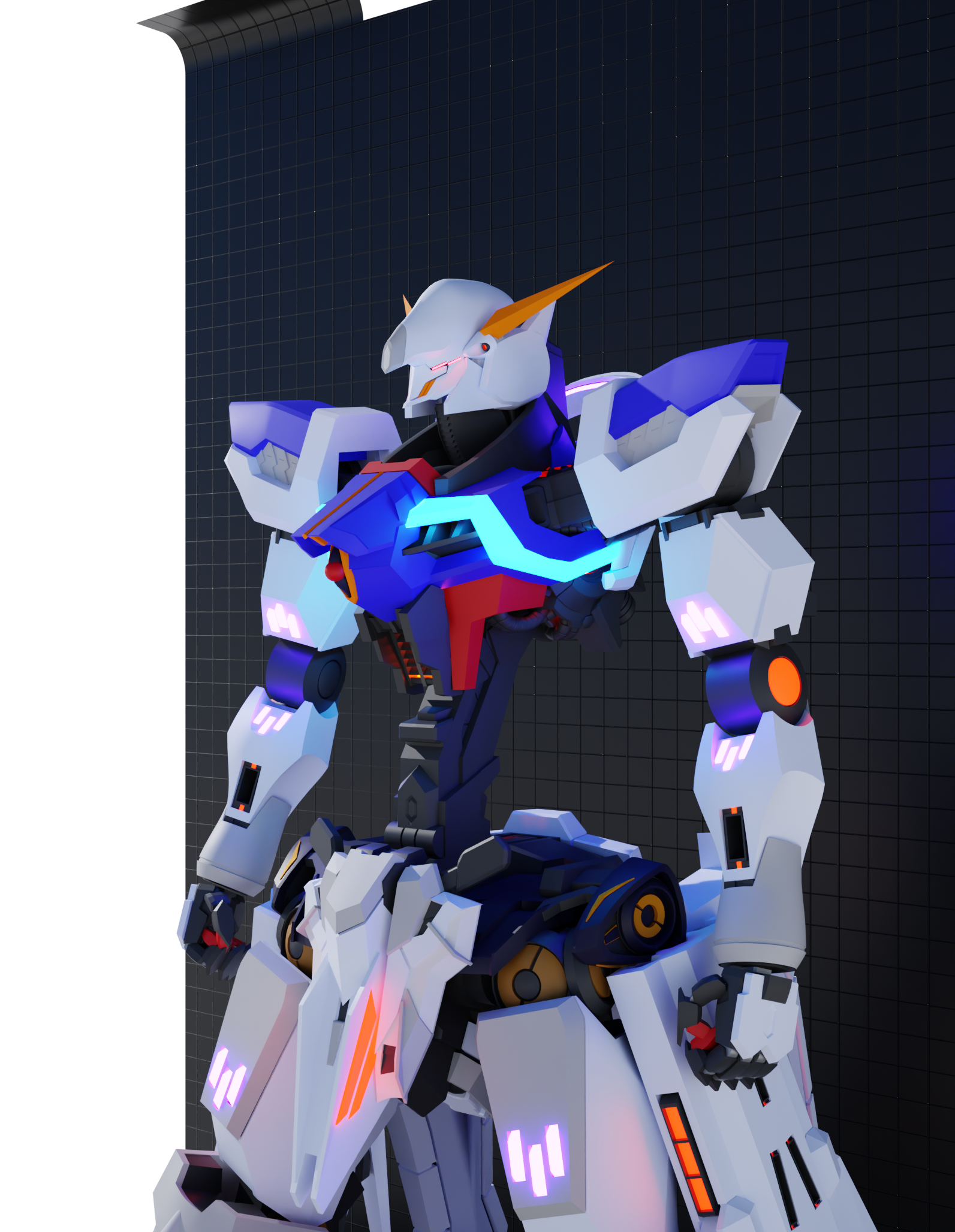
Render shot
aerial shot of the falestial gundam
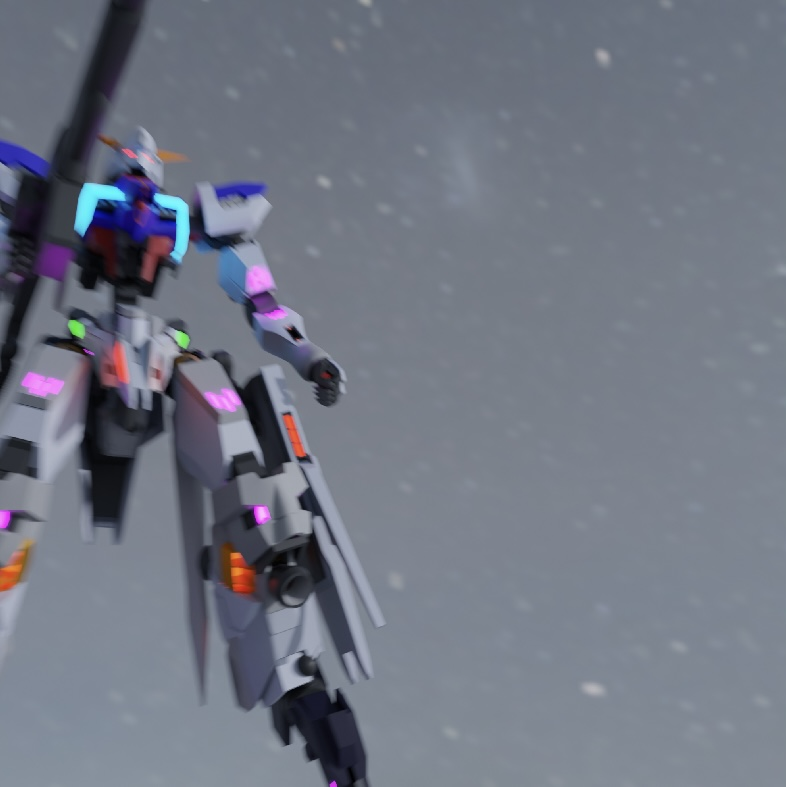
Aerial Descent
Cinematic render capturing the Mk-II descending from above, emphasizing its streamlined silhouette and illuminated sensor array during flight.
Mobility Demonstration
Animation study showcasing the Mk-II's fluid, high-mobility movement, demonstrating agile articulation and expressive mechanical motion.
MK-2 Movement & Flight Showcase
Video of Faelestial Gundam MK-2 showcasing walking, runnin, and flying.
MK-1 vs Mk-2
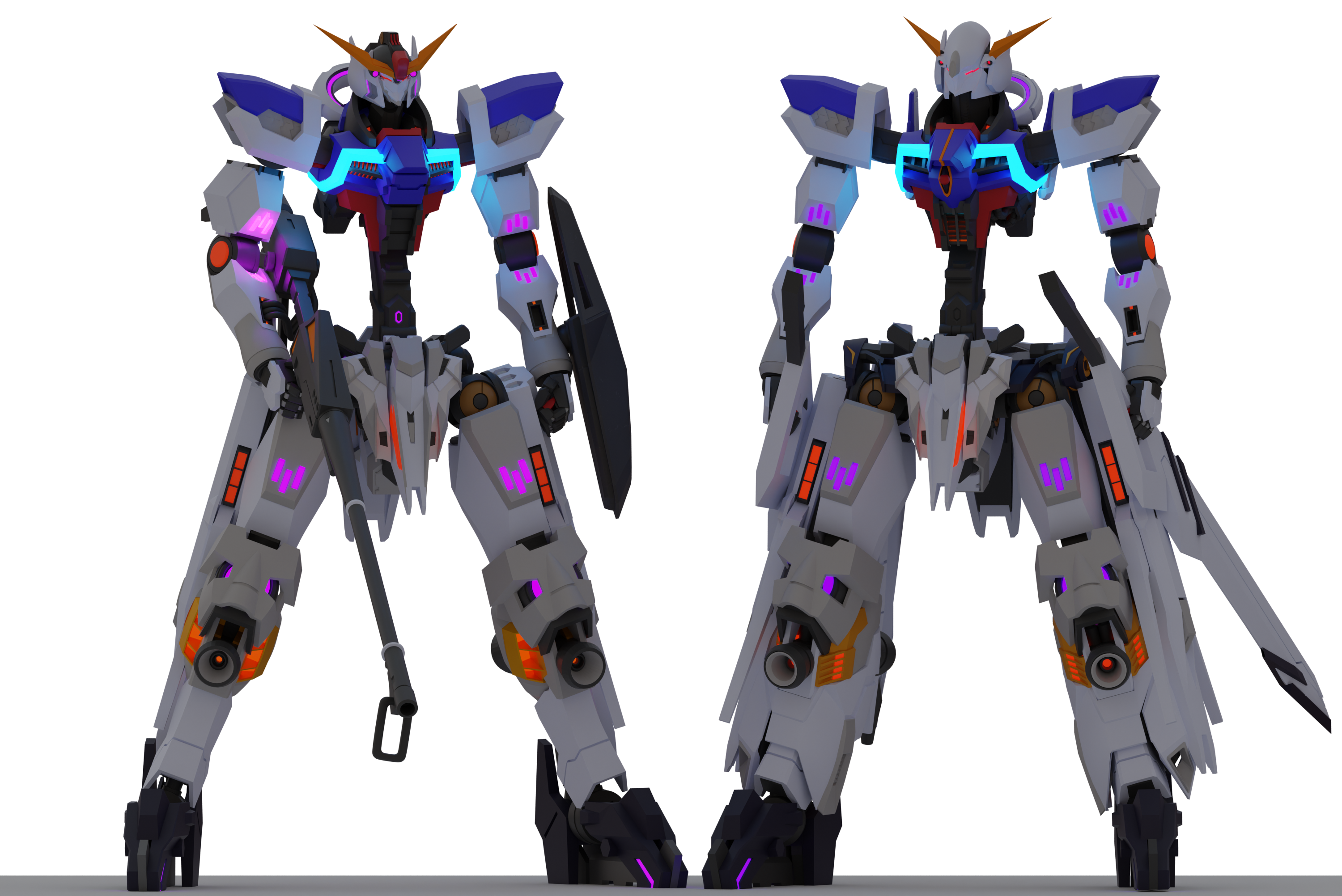
Direct comparison highlighting the evolution from the original Mk-I to the redesigned Mk-II. *MK-1 on left Mk-2 on right*
13. UC Merced, Research, and Engineering Applications
Engineering DevelopmentAs Faelestial Gundam continued to evolve, the skills developed through the project began supporting academic and engineering work.
During my time at the University of California, Merced, I worked on research, engineering visualization, fabrication projects, and mechanical design tasks. The experience of creating custom parts, solving fabrication challenges, and learning Blender independently translated surprisingly well into engineering problem solving.
Many engineering projects require the ability to visualize systems before they exist physically. Through years of design work, I became comfortable creating 3D models, concept visualizations, assembly ideas, and design iterations long before a physical prototype existed.
The same mindset that drove Faelestial Gundam also helped with engineering projects: define a problem, build a solution, test it, learn from the result, and improve the next version.
Bicopter Project
Engineering research and development work.
Research Visualization
Using 3D tools to communicate engineering concepts.
Capstone Development
Engineering design and project work.
14. Japan and Portfolio Development
Expanding OpportunitiesIn 2026, I traveled to Japan while continuing to develop both my engineering portfolio and Faelestial Gundam project.
The trip became an opportunity to present my work, explore career paths, and gain a better understanding of industries related to robotics, entertainment design, manufacturing, and engineering.
By this stage, Faelestial Gundam had become more than a personal hobby. It had grown into a portfolio project demonstrating fabrication, modeling, design, visualization, and long-term project management skills.
Seeing the project from a professional perspective helped me realize how much technical experience had accumulated through its development.
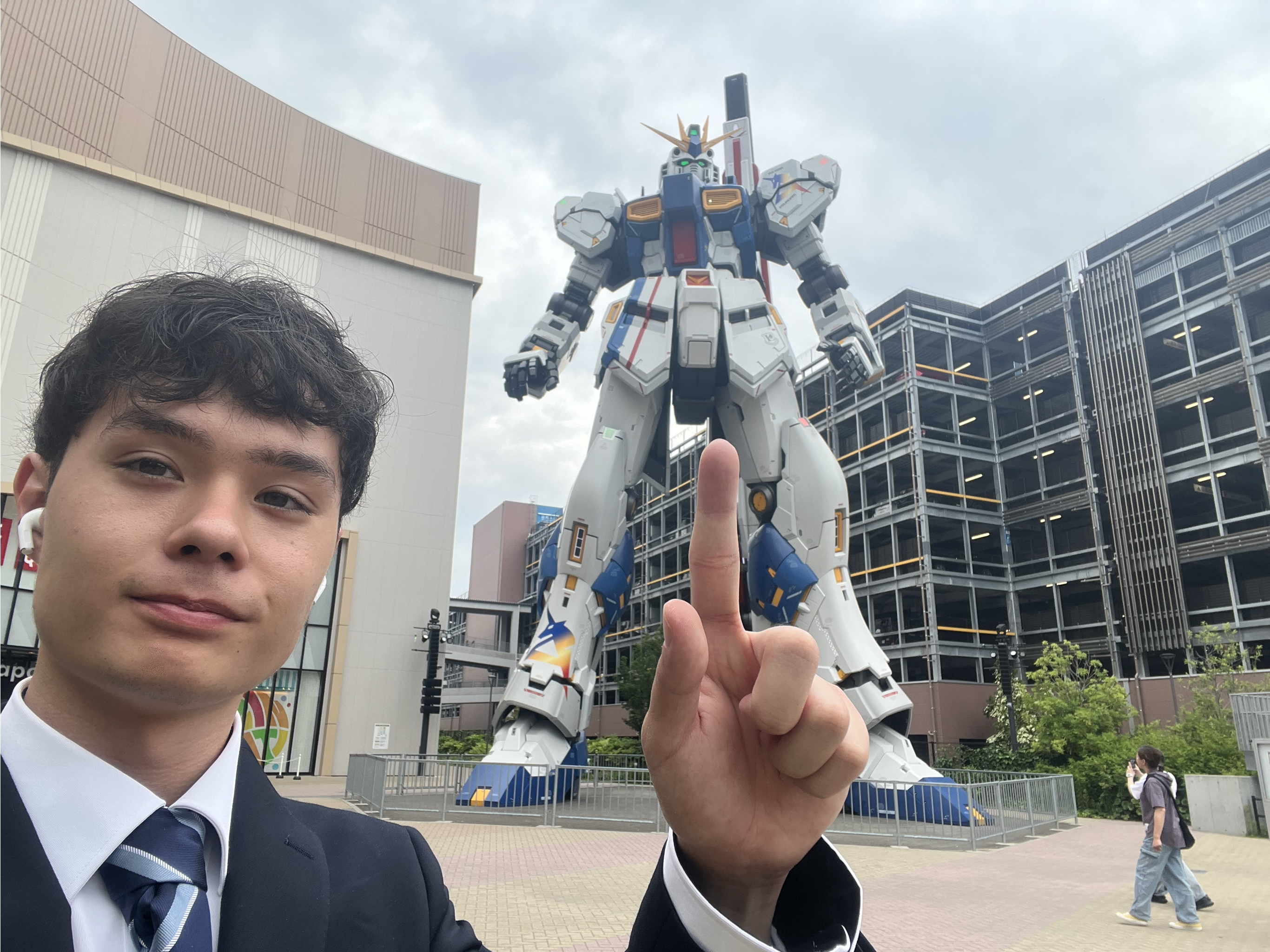
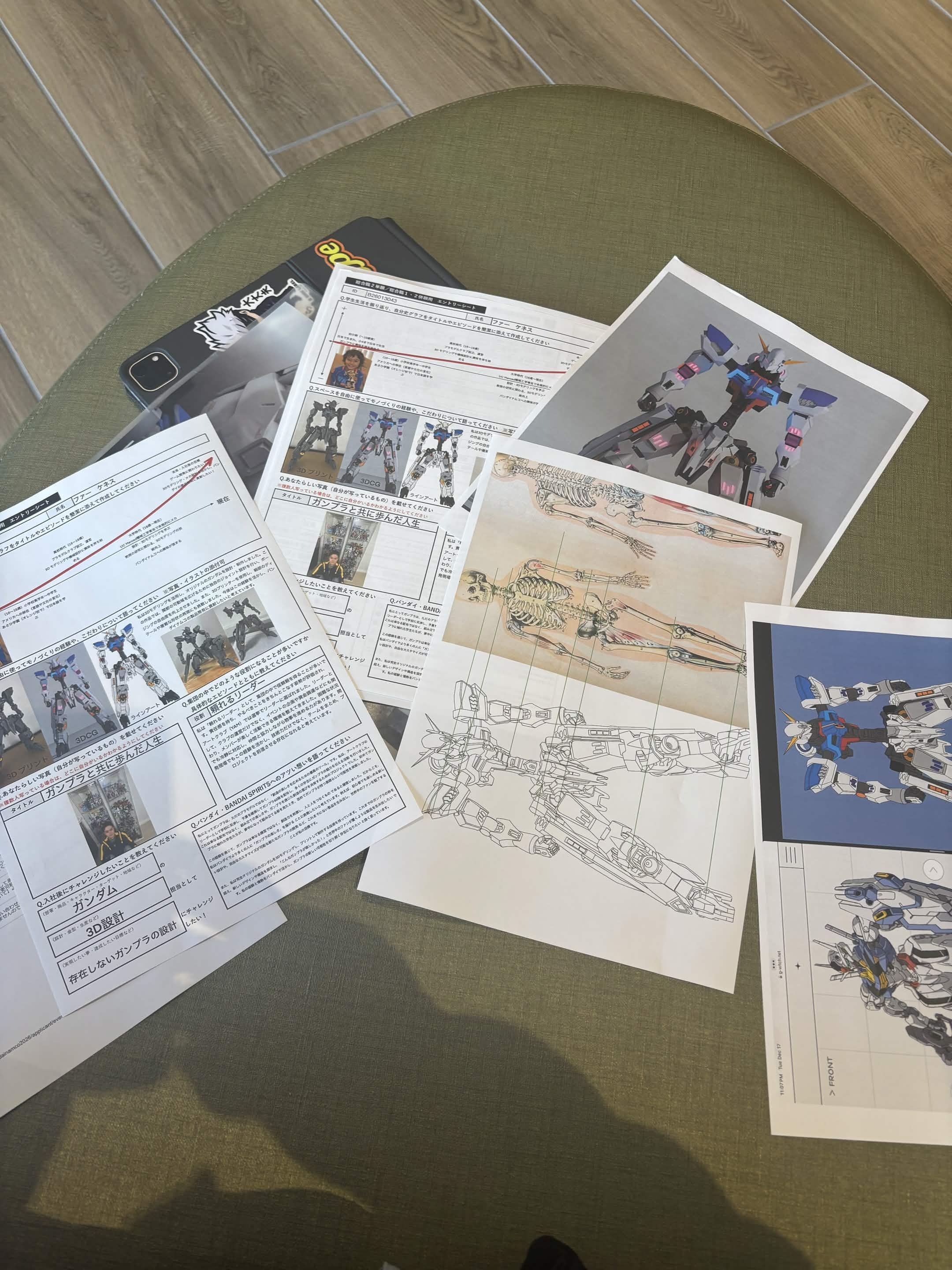
Japan Trip
Travel and portfolio development.
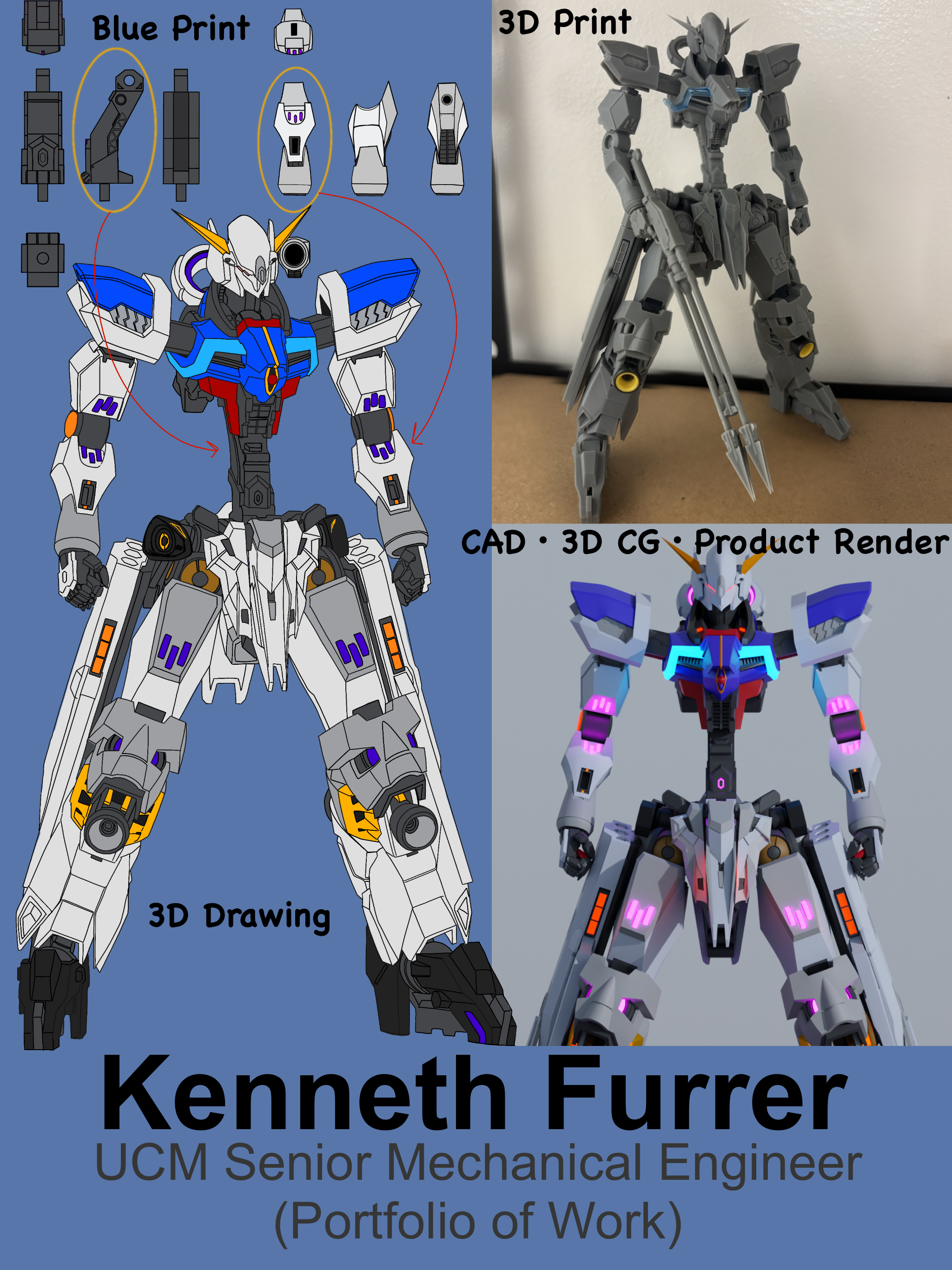
Portfolio Presentation
Presenting project work and design concepts.
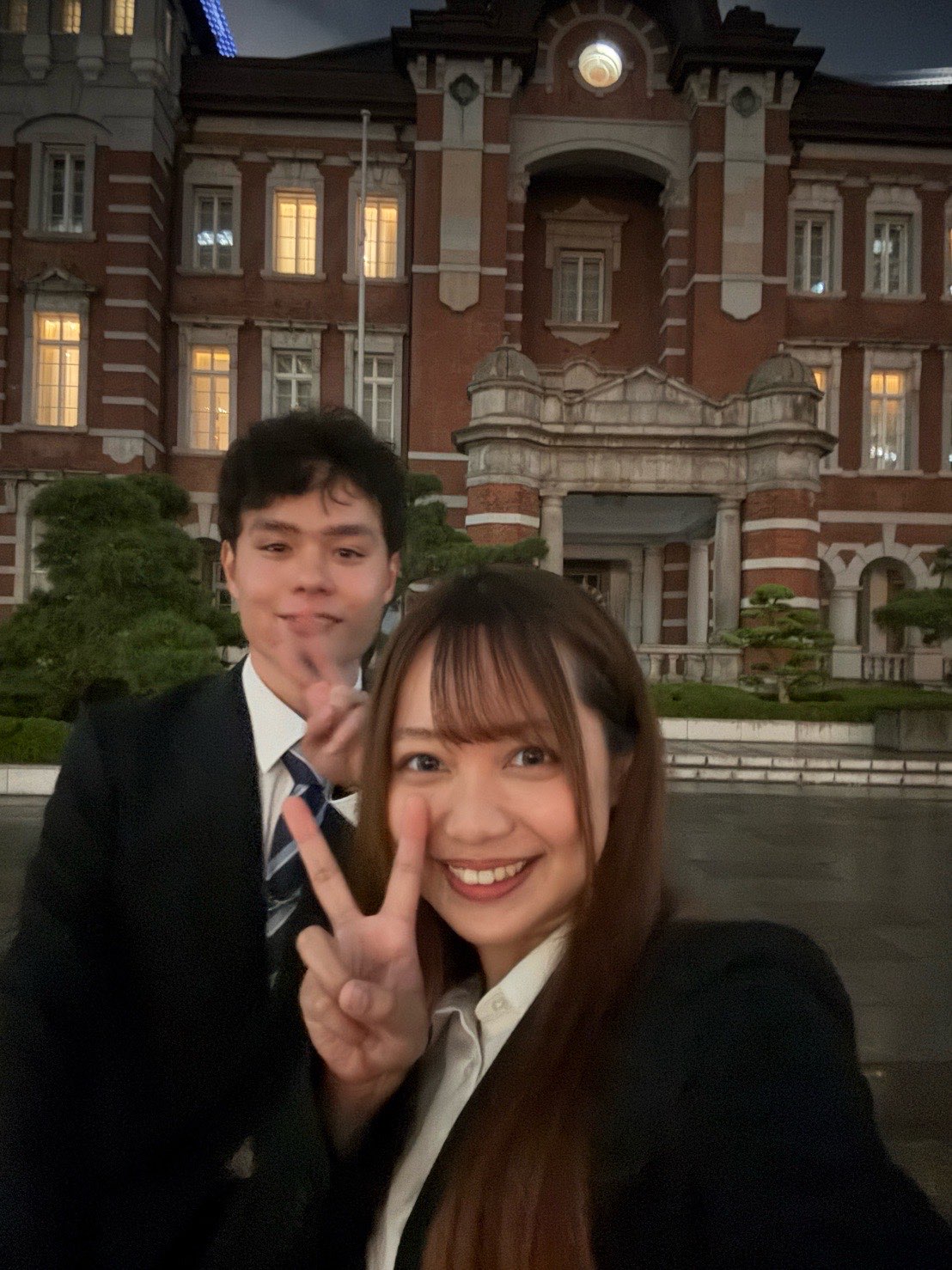
Tokyo
Exploring opportunities and inspiration.
15. Character Development and Creative Collaboration
Storytelling ExpansionAs the project expanded beyond physical fabrication and design, storytelling became a larger part of the creative process.
During the animation phase, I incorporated a co-pilot character based on Rika, who served as a visual reference and creative inspiration for portions of the project.
The addition of a second pilot changed the way I thought about cockpit layouts, character interactions, animation scenes, and story structure. It encouraged me to think beyond the mechanical design itself and consider how people would interact with the machine.
This marked the point where Faelestial Gundam became both a design project and a worldbuilding project.
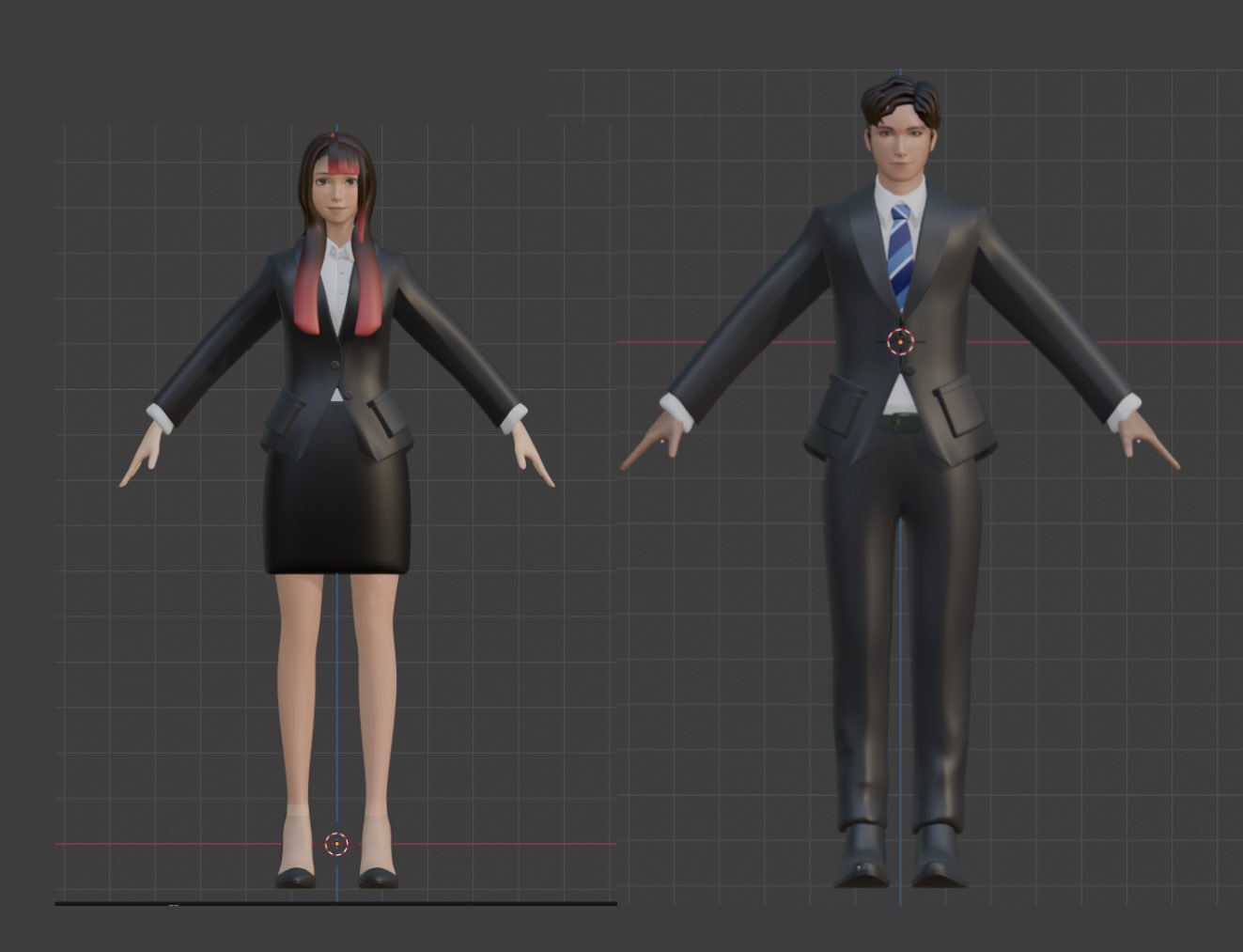
Character Reference
Visual inspiration and design reference.
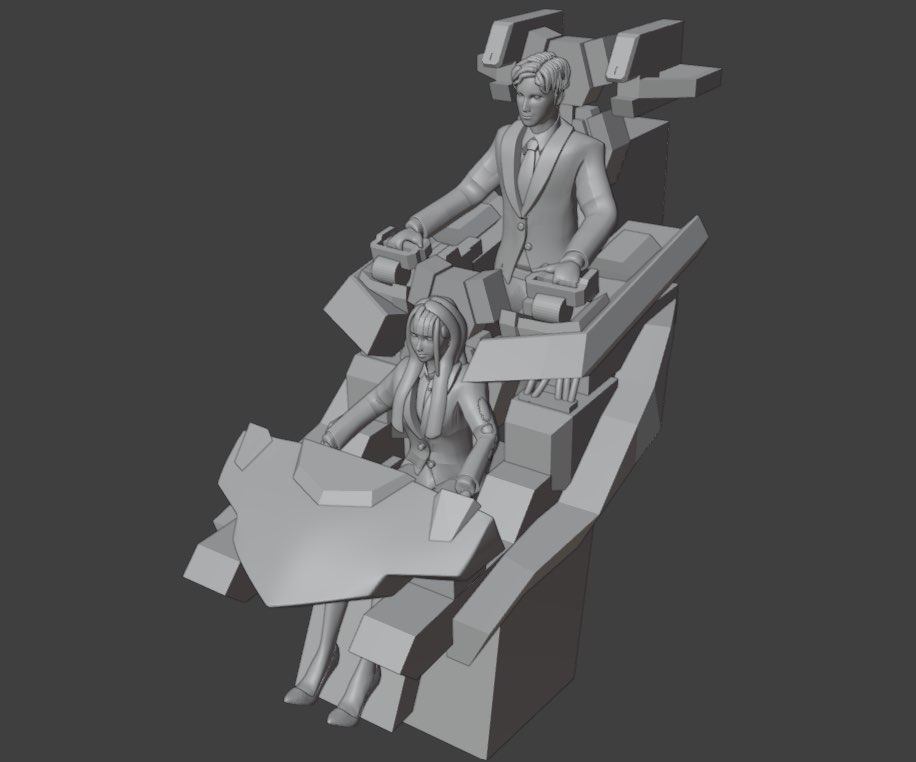
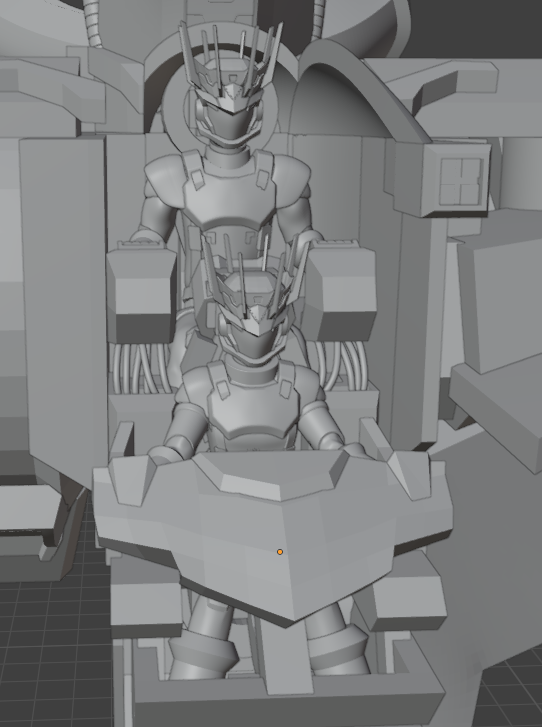
Dual Cockpit Concept
Two-seat cockpit developed for animation and storytelling.
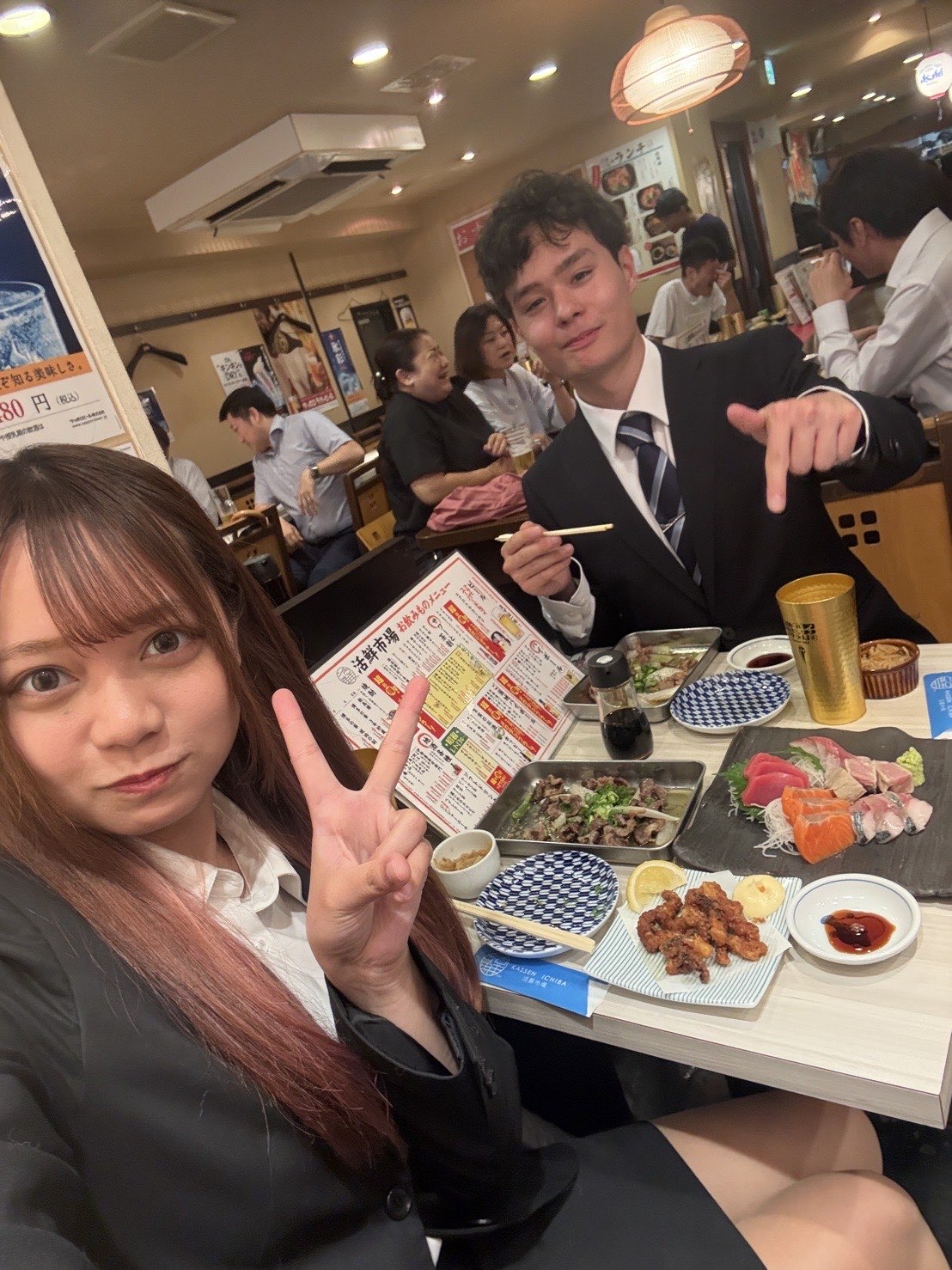
Creative Inspiration
Photos and experiences that influenced story development.
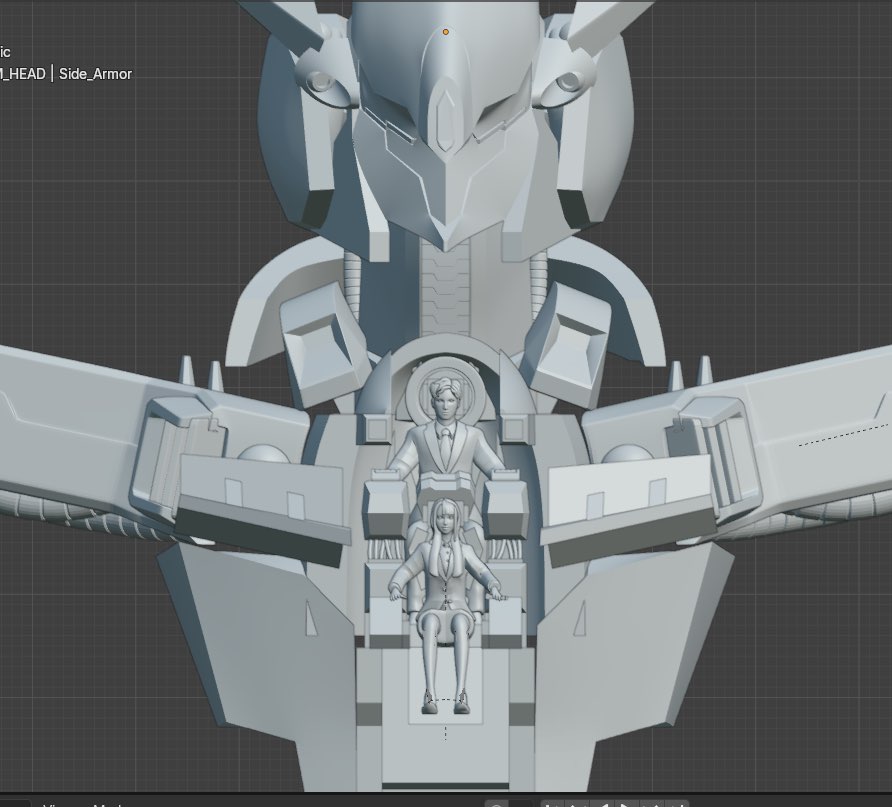
Character Reference
front view of cockpit w/ head reference and torso frame and monitors
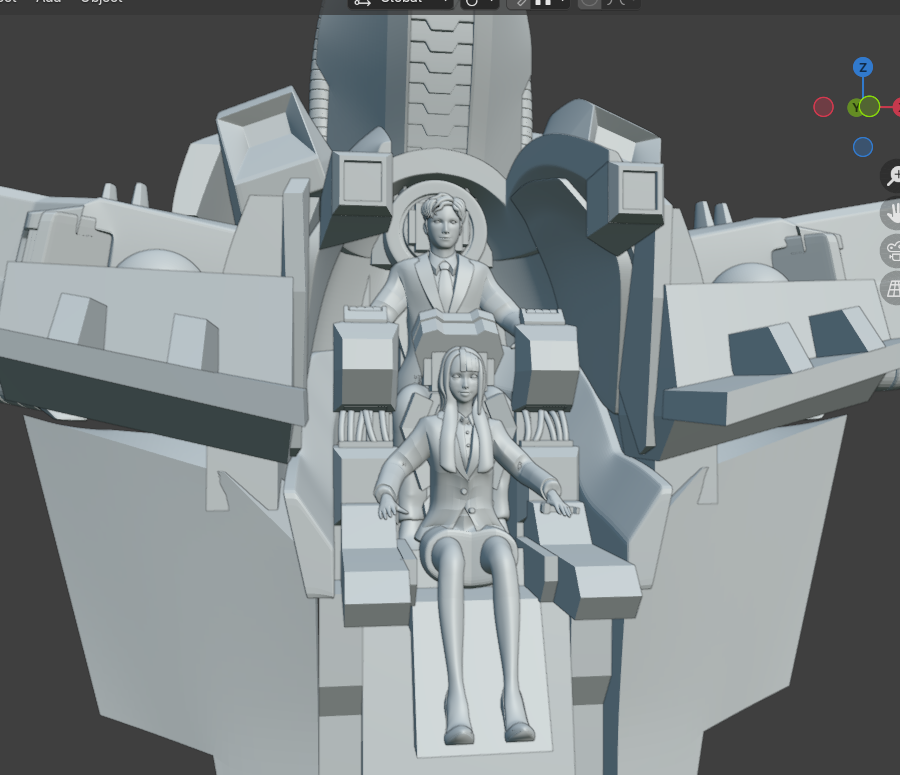
perspective view
perspective view of the cockpit w/-torso frame and monitors
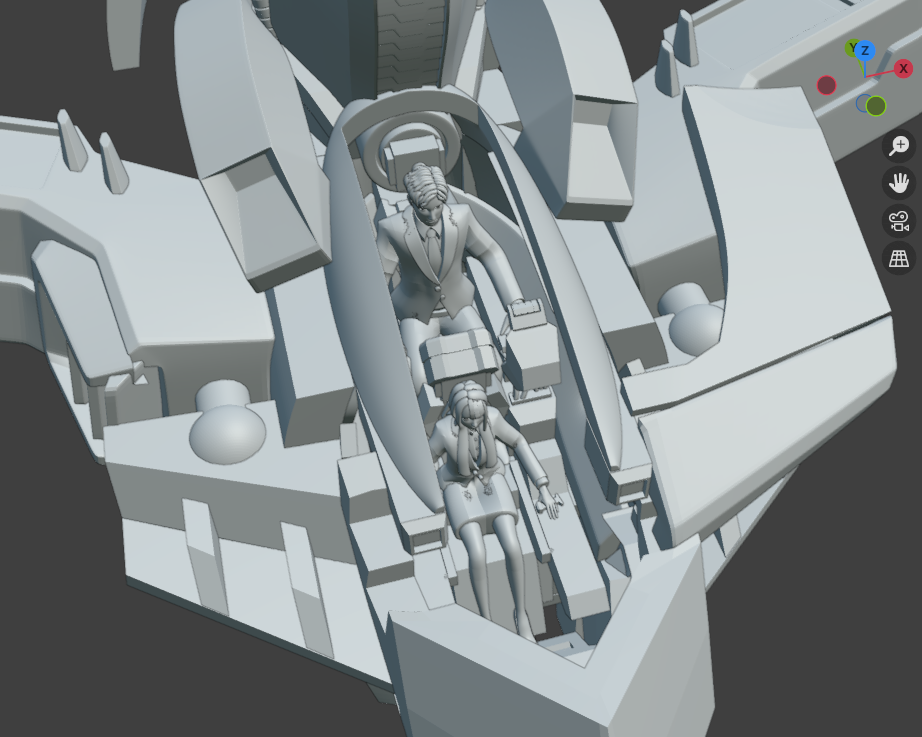
top-view
top view of cockpit w/-torso shell on
16. Pause, Reflection, and Redesign
Project EvolutionAfter several years of development, the project reached a natural pause.
Graduation, engineering work, research activities, portfolio development, and major life transitions all competed for time and attention.
Rather than forcing development forward, I stepped away from the project for a period and allowed myself time to reflect on earlier design decisions.
Looking back at the project with fresh eyes made it easier to identify areas that could be improved. Ideas that once seemed complete could now be refined, simplified, or redesigned.
The pause ultimately became valuable because it created enough distance to view the project objectively.
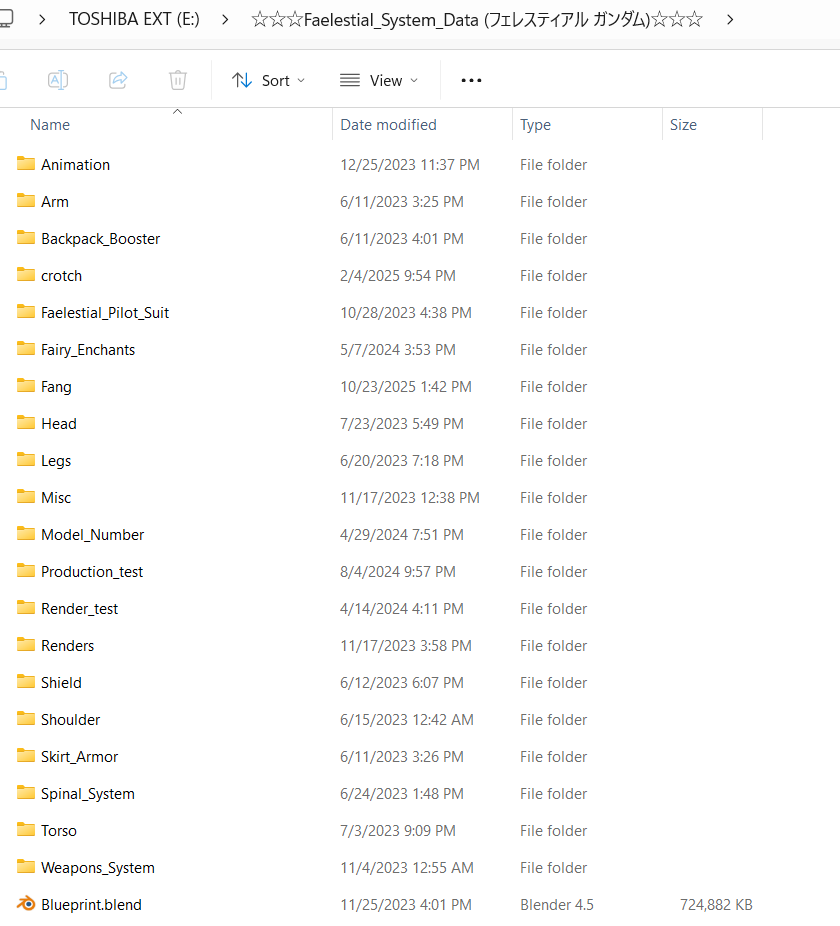
Project Storage
All of the Faelestial Gundam Data is saved inside Faelestial Gundam Folder, and each sorted by body parts, in which all of the prototypes up to current models are stored.
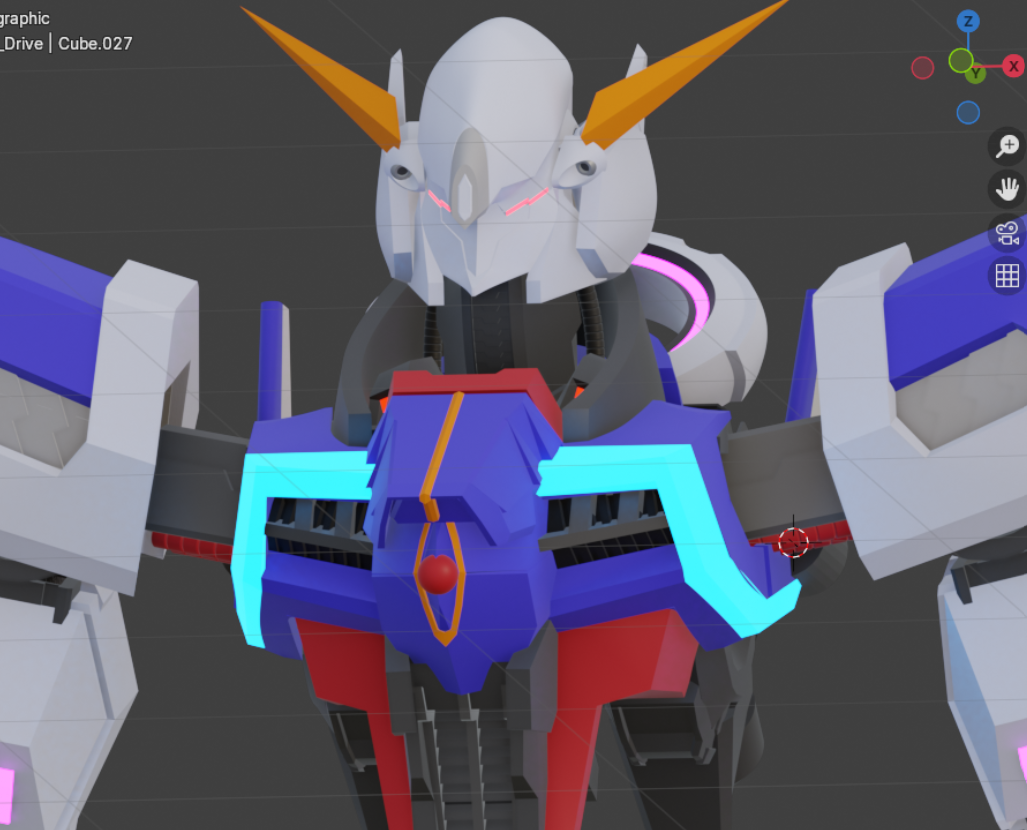
Earlier Design
Previous version before redesign.
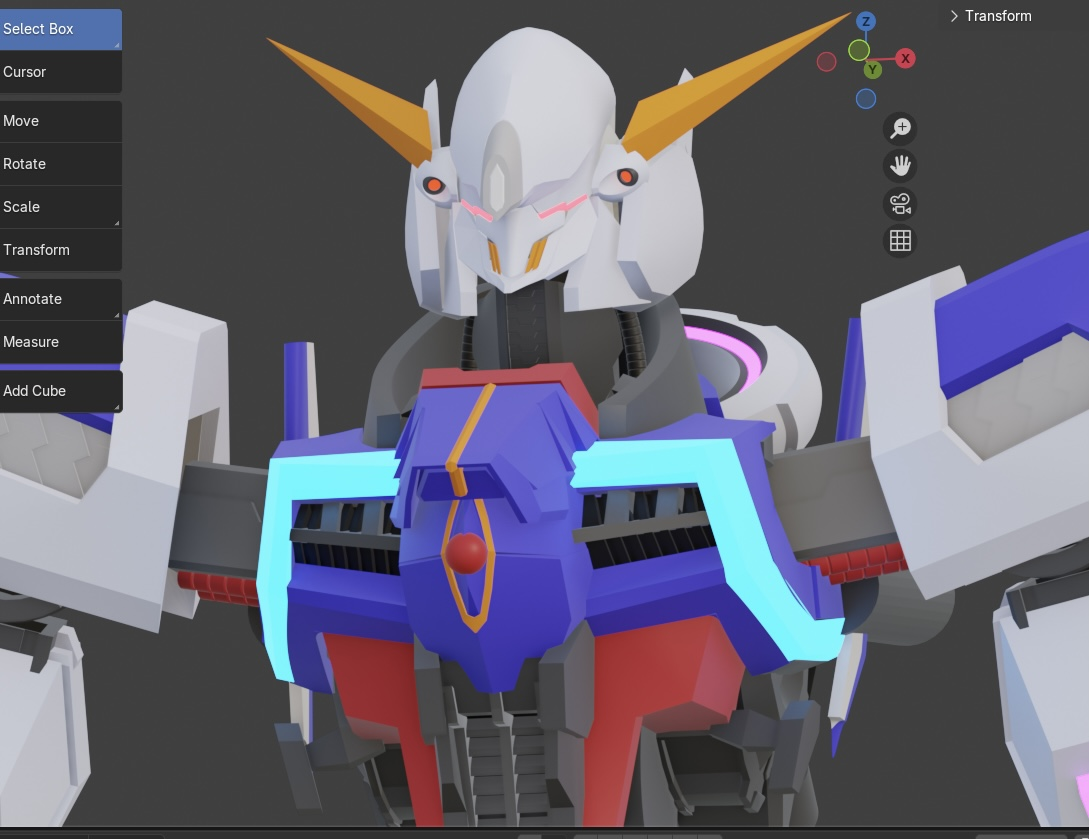
Updated Design
Redesign work after returning to the project.
17. Film and Animation Project
Visual StorytellingOne of the most ambitious parts of the project involved creating a short animated story using Faelestial Gundam.
The goal was to combine character animation, mechanical design, environment creation, visual effects, and cinematic storytelling into a single project.
The story follows Kenneth and Rika responding to a mobile suit attack within a large city. The sequence provided an opportunity to visualize the dual cockpit concept, mobile suit combat, environmental destruction, and character interaction.
For the first time, the project brought together nearly every skill developed over the years: modeling, rendering, animation, worldbuilding, visual design, and storytelling.
Cockpit sequence and Gundam combat.
Full Movie.
Rough cut.
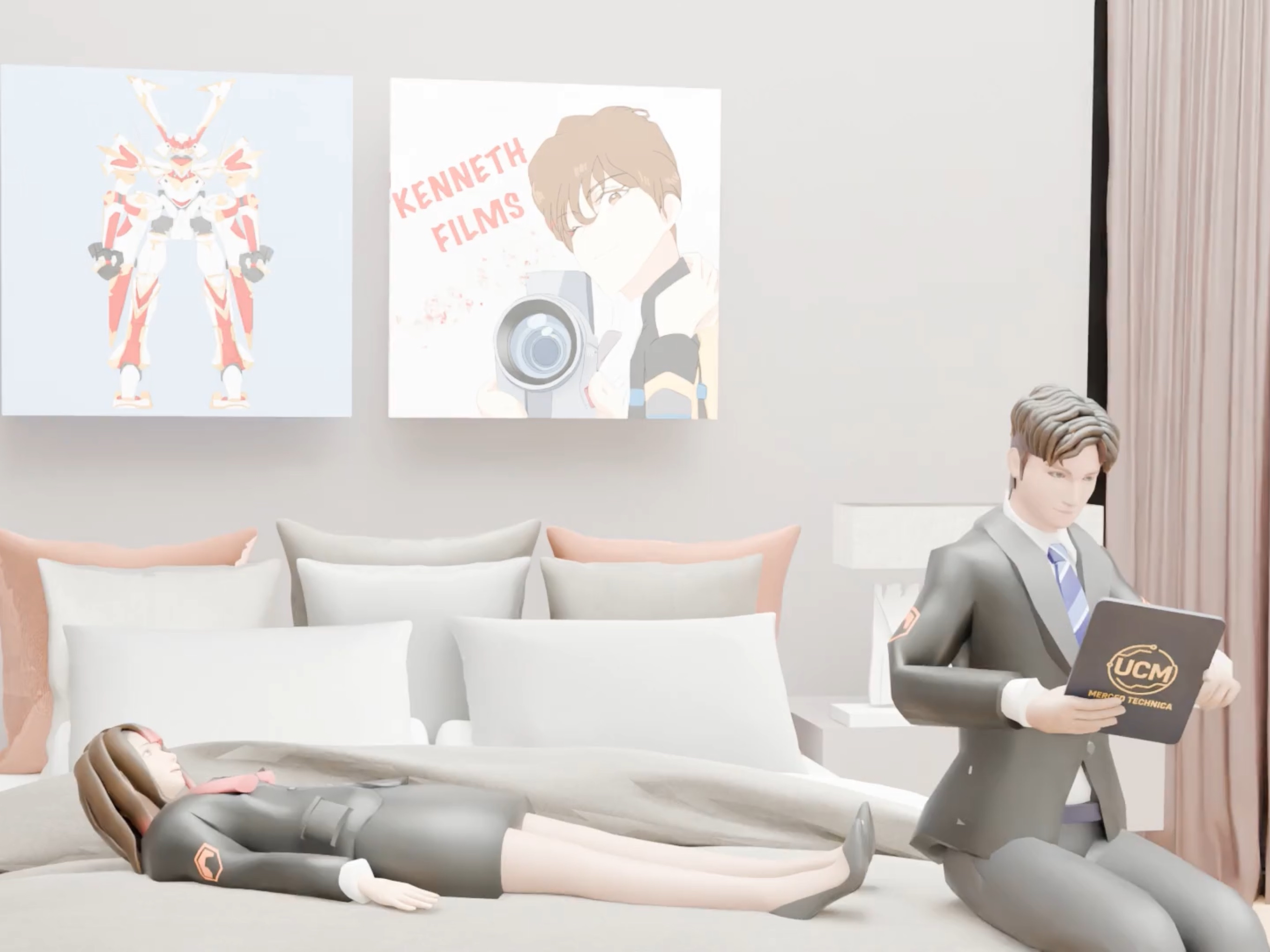
Peace Before the Attack
Kenneth and Rika spending a quiet evening together in their Tokyo apartment moments before the city comes under attack.
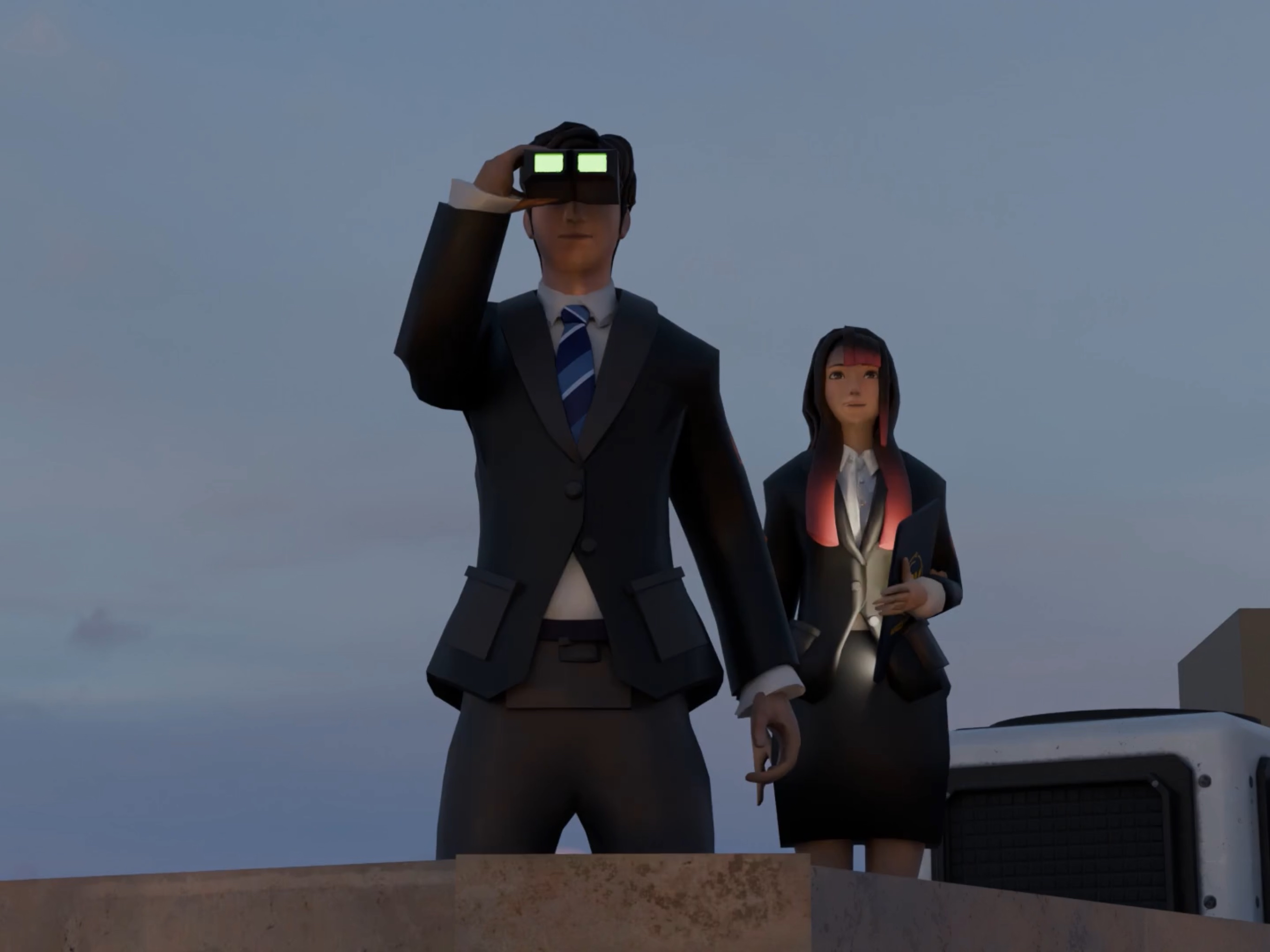
Investigating the Disturbance
The pair rush to the rooftop after hearing distant explosions, searching the skyline for the source of the destruction.
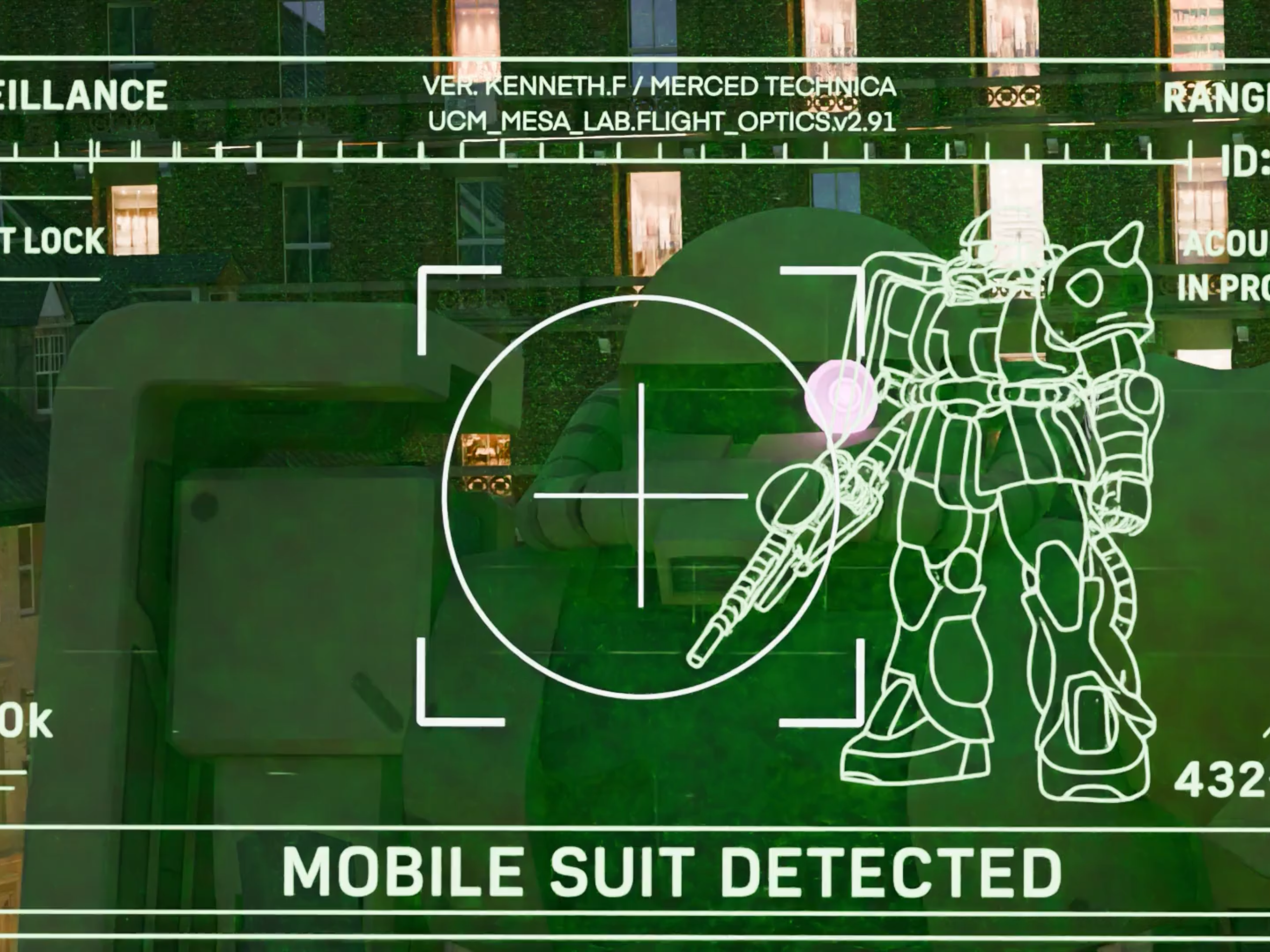
Enemy Contact
Using macrobinoculars, Kenneth spots an invading Zaku II moving through the city below.
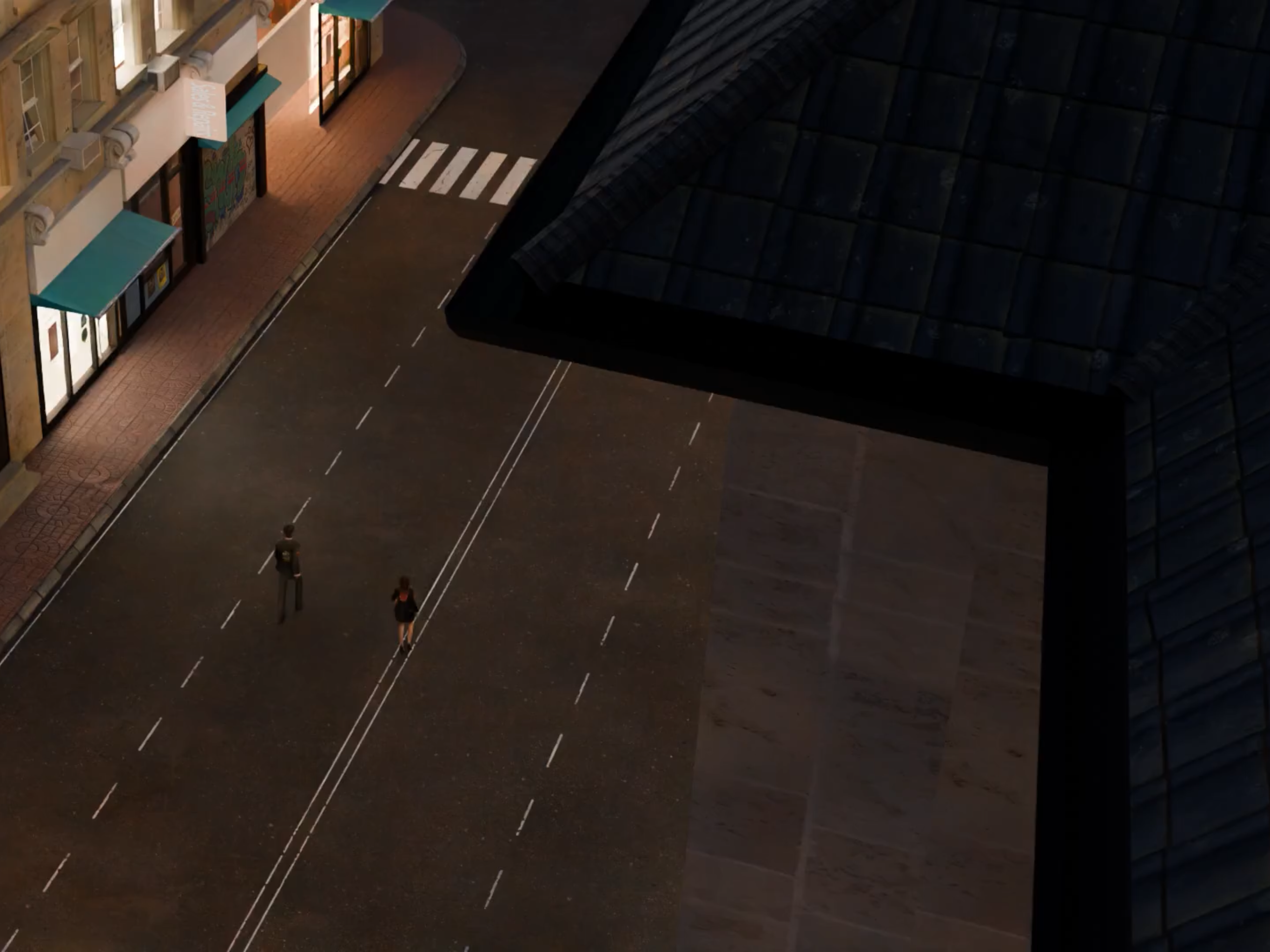
Race Against Time
Realizing they have been discovered, Kenneth and Rika sprint through the streets toward their hidden mobile suit.
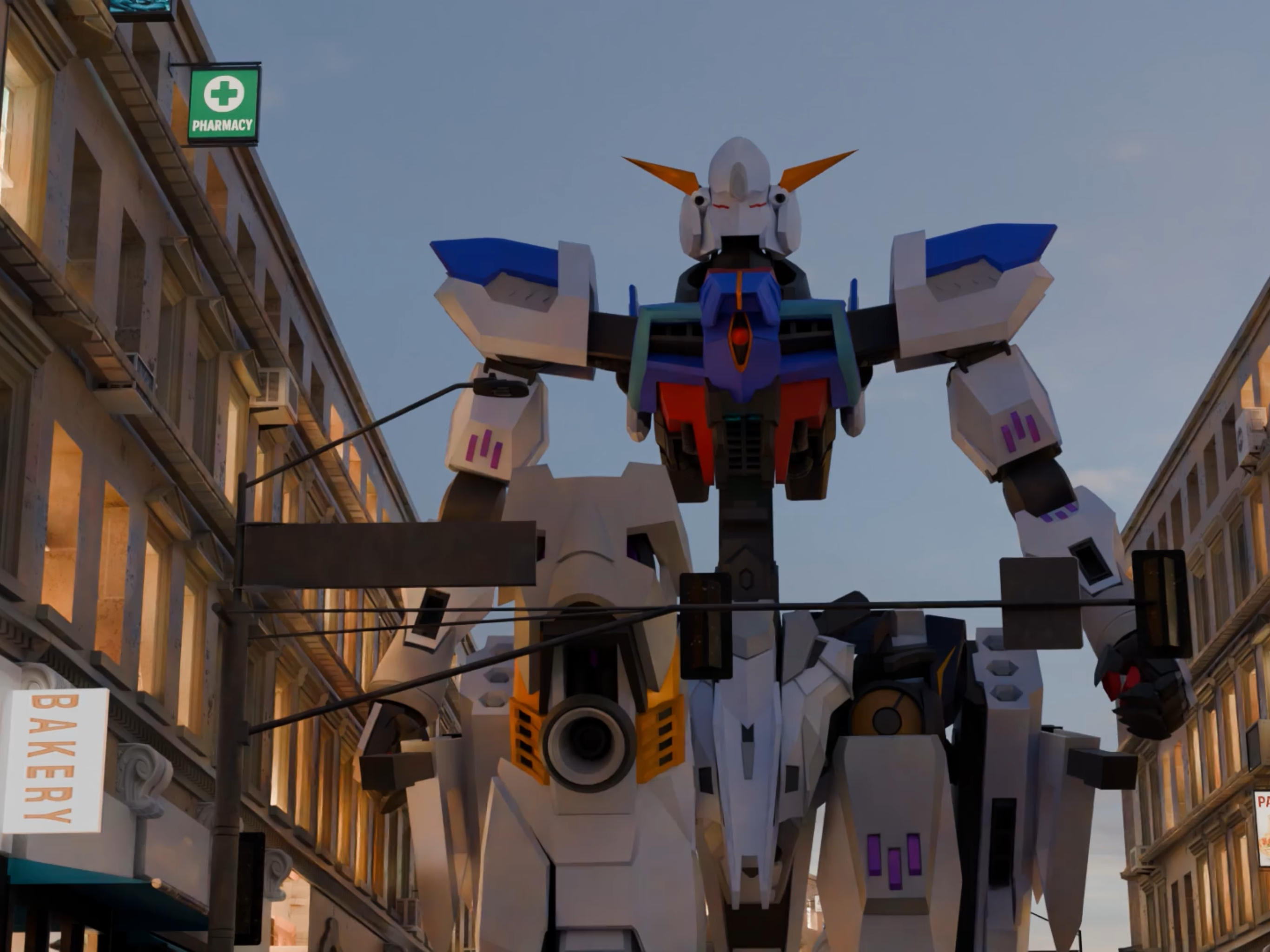
Hidden Guardian
Faelestial Gundam remains concealed between the surrounding buildings, kneeling silently until called into action.
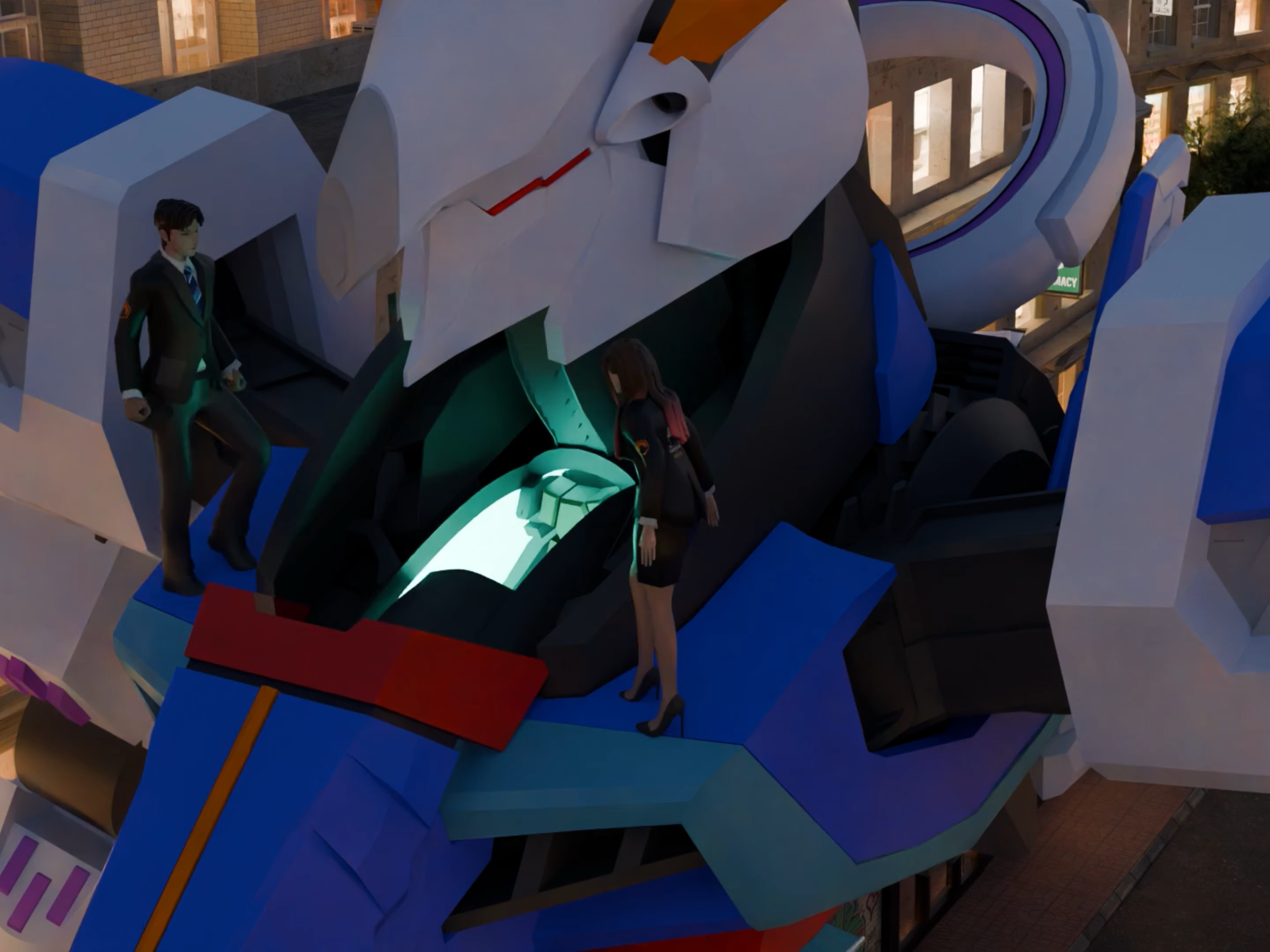
Boarding Sequence
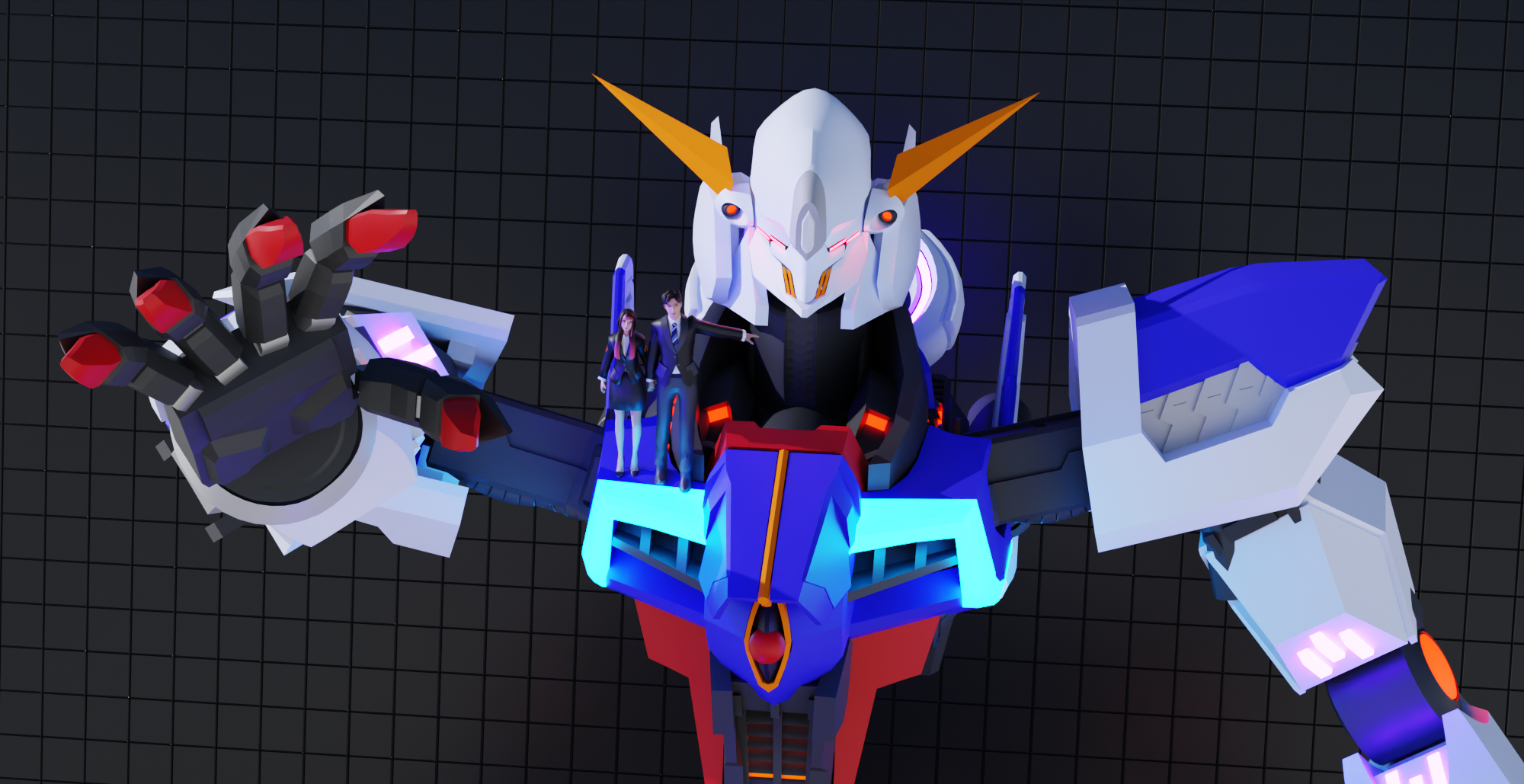
Standing atop the chest armor, the two pilots prepare to enter the dual-seat cockpit before the enemy closes in.
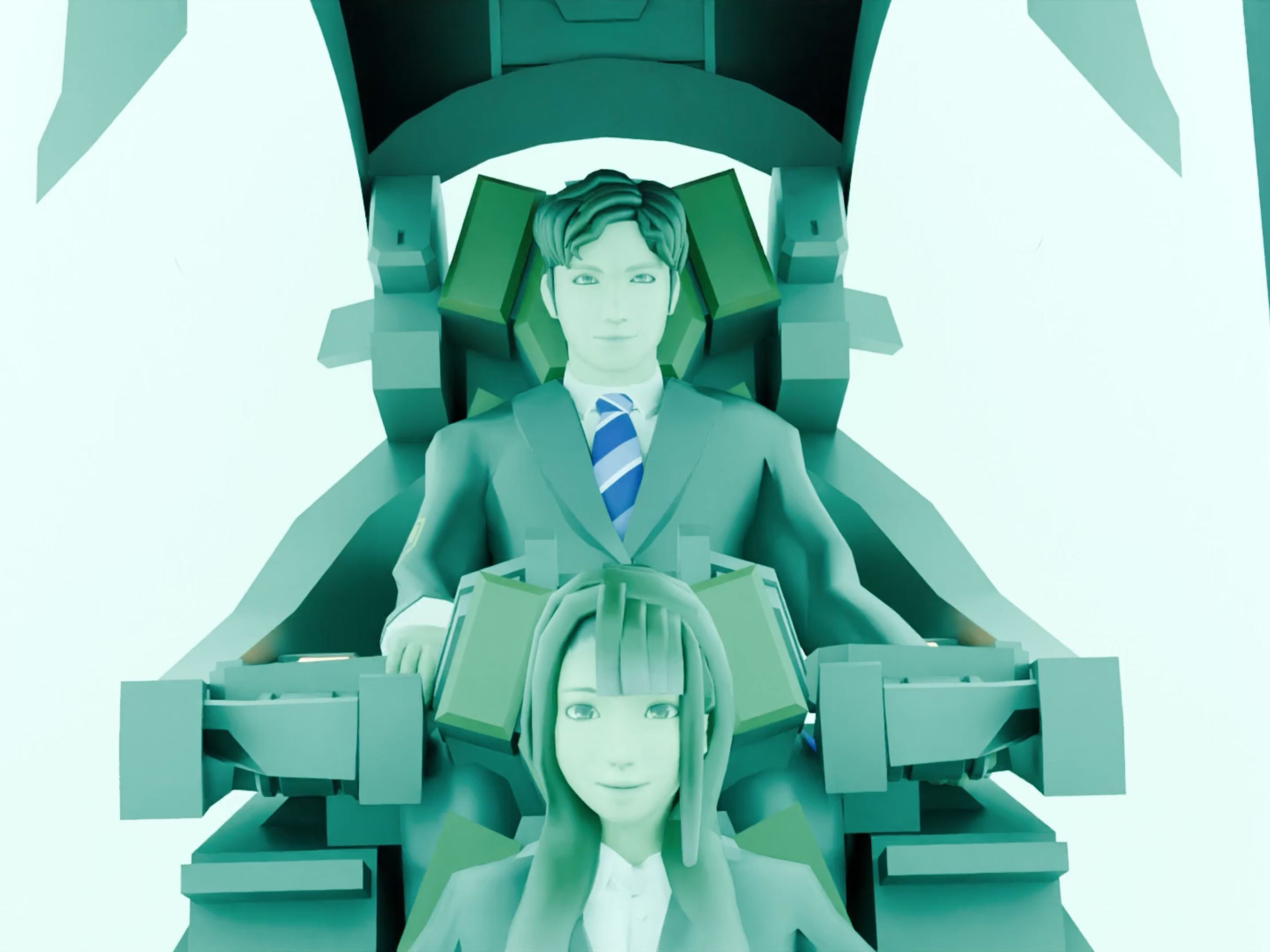
Dual-Pilot Cockpit
The custom cockpit features a panoramic 360-degree display, allowing Kenneth and Rika to operate the Gundam together.
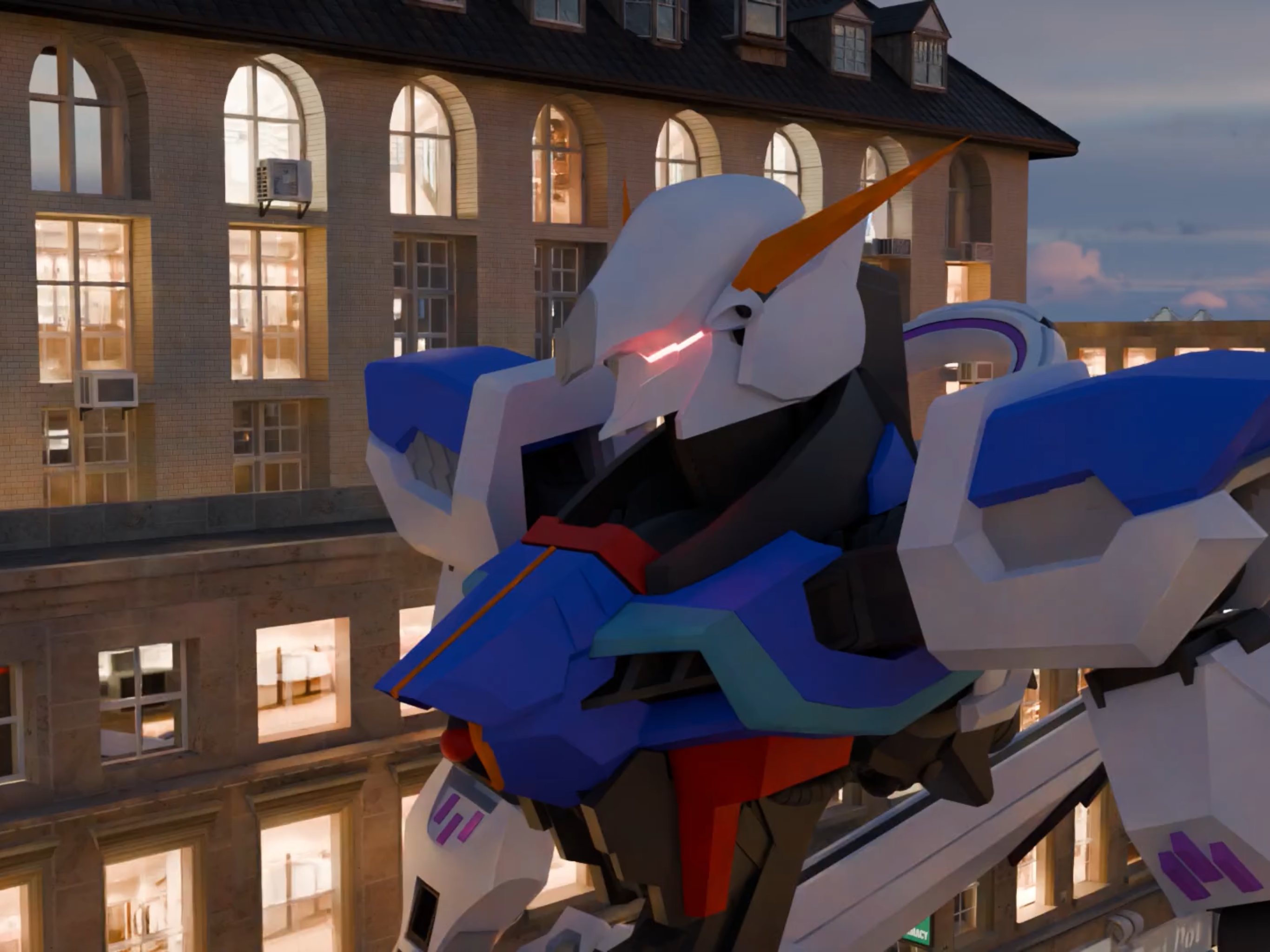
System Activation
The Mk-II awakens as its four crimson sensors illuminate and onboard systems come online.
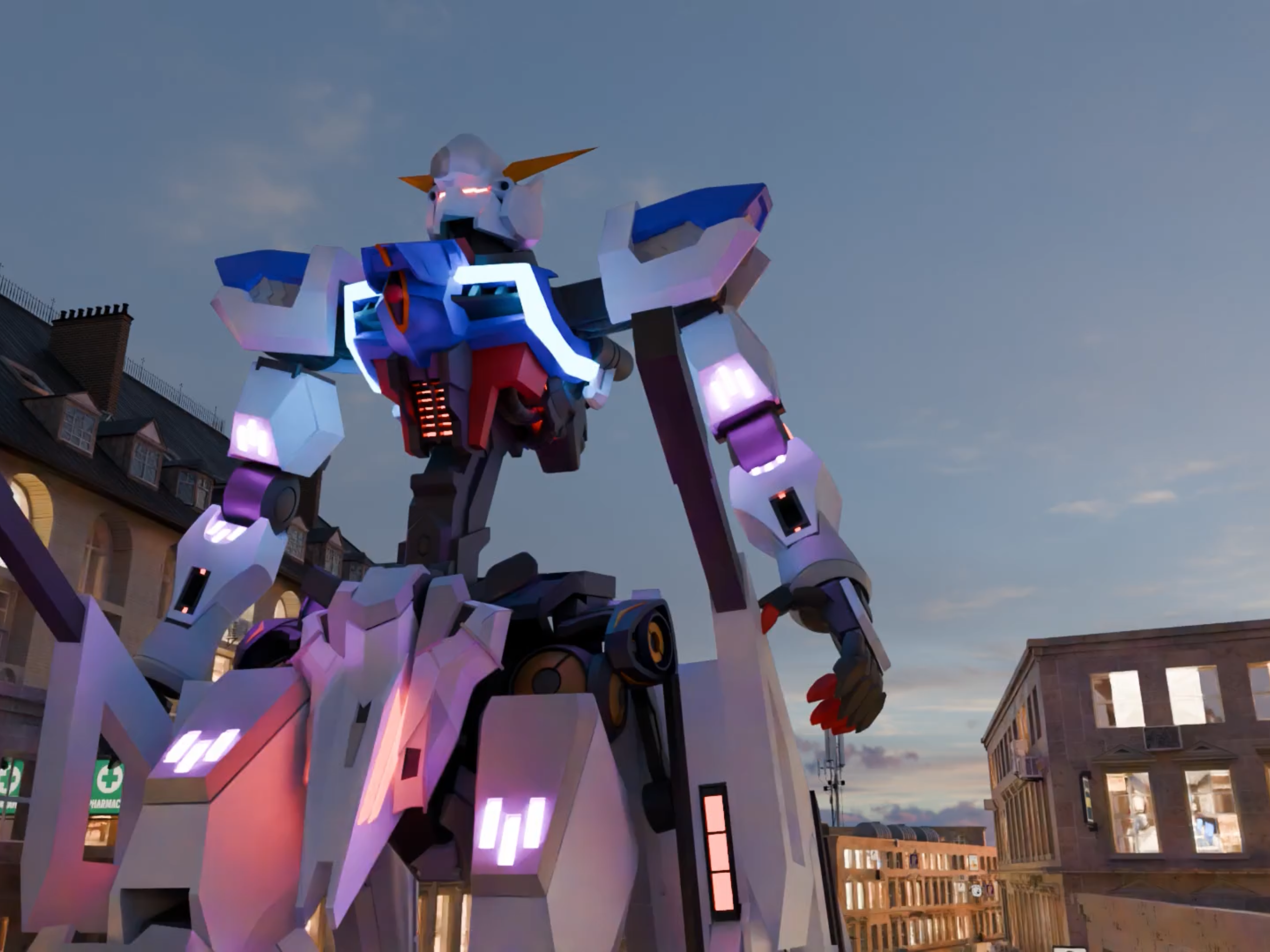
Advancing to Engage
Faelestial Gundam advances through the city toward the detected Zaku II reactor signature.
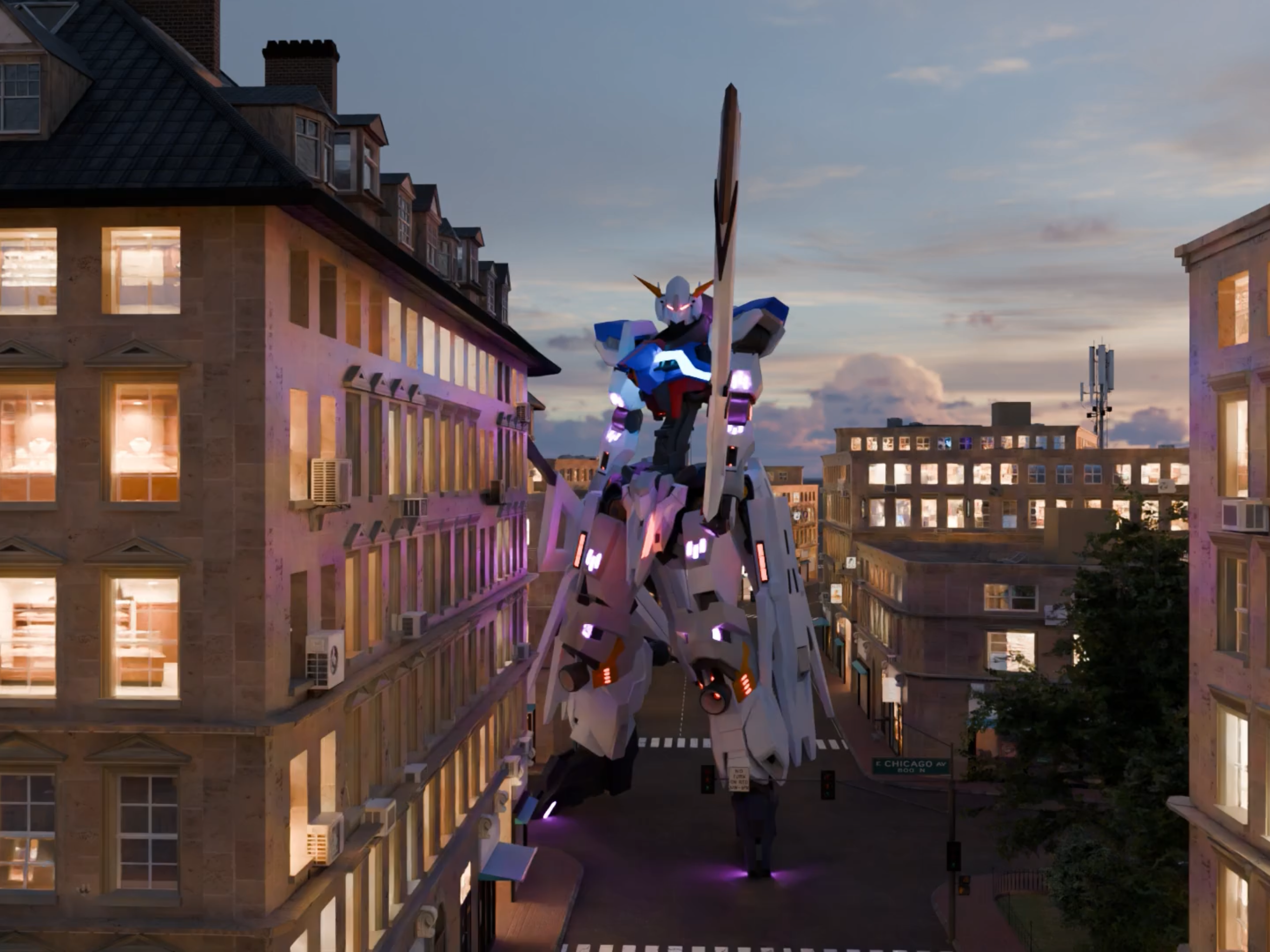
Combat Stance
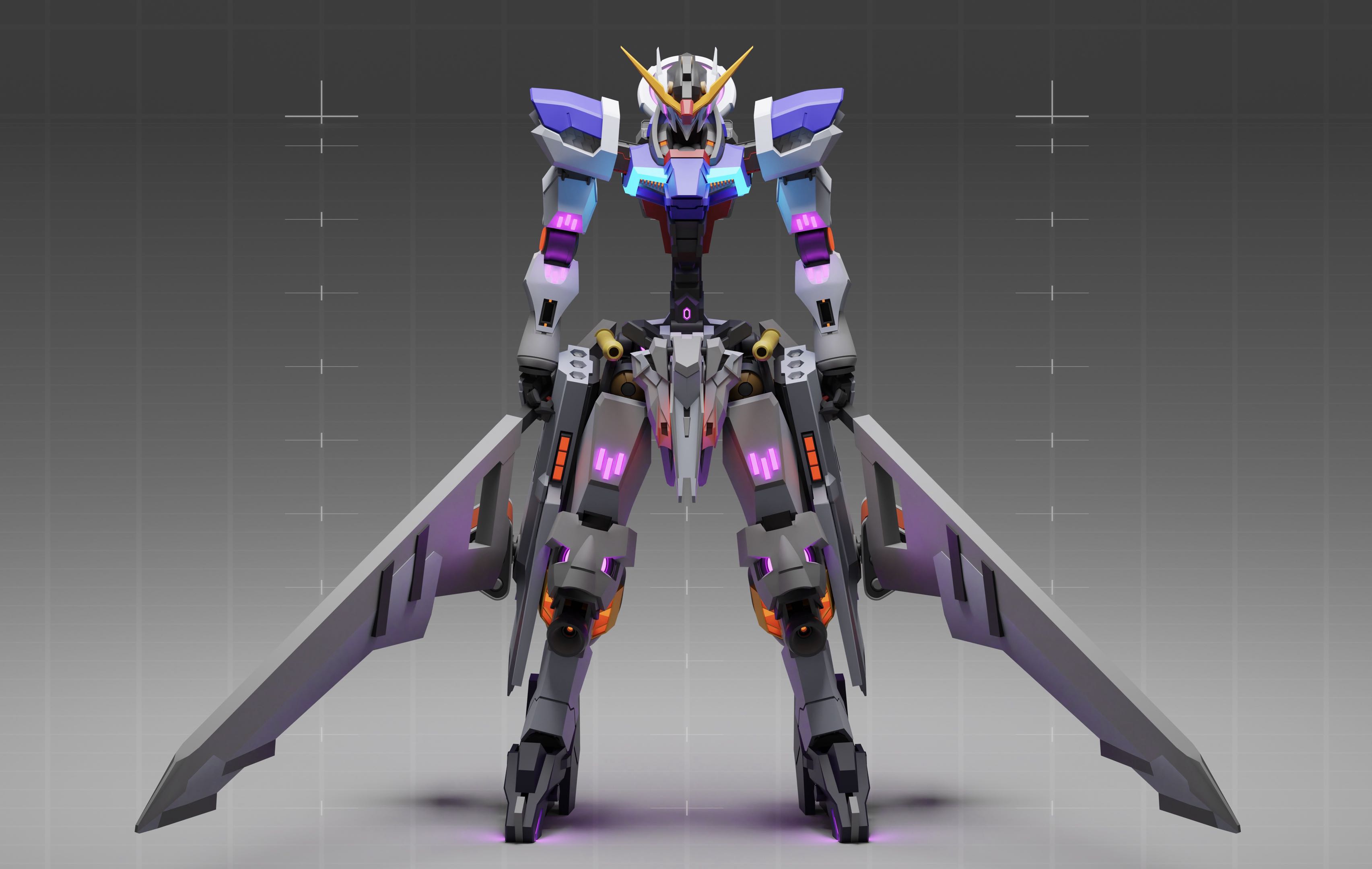
Drawing its twin buster swords, the Gundam assumes a samurai-inspired ready stance before the duel.
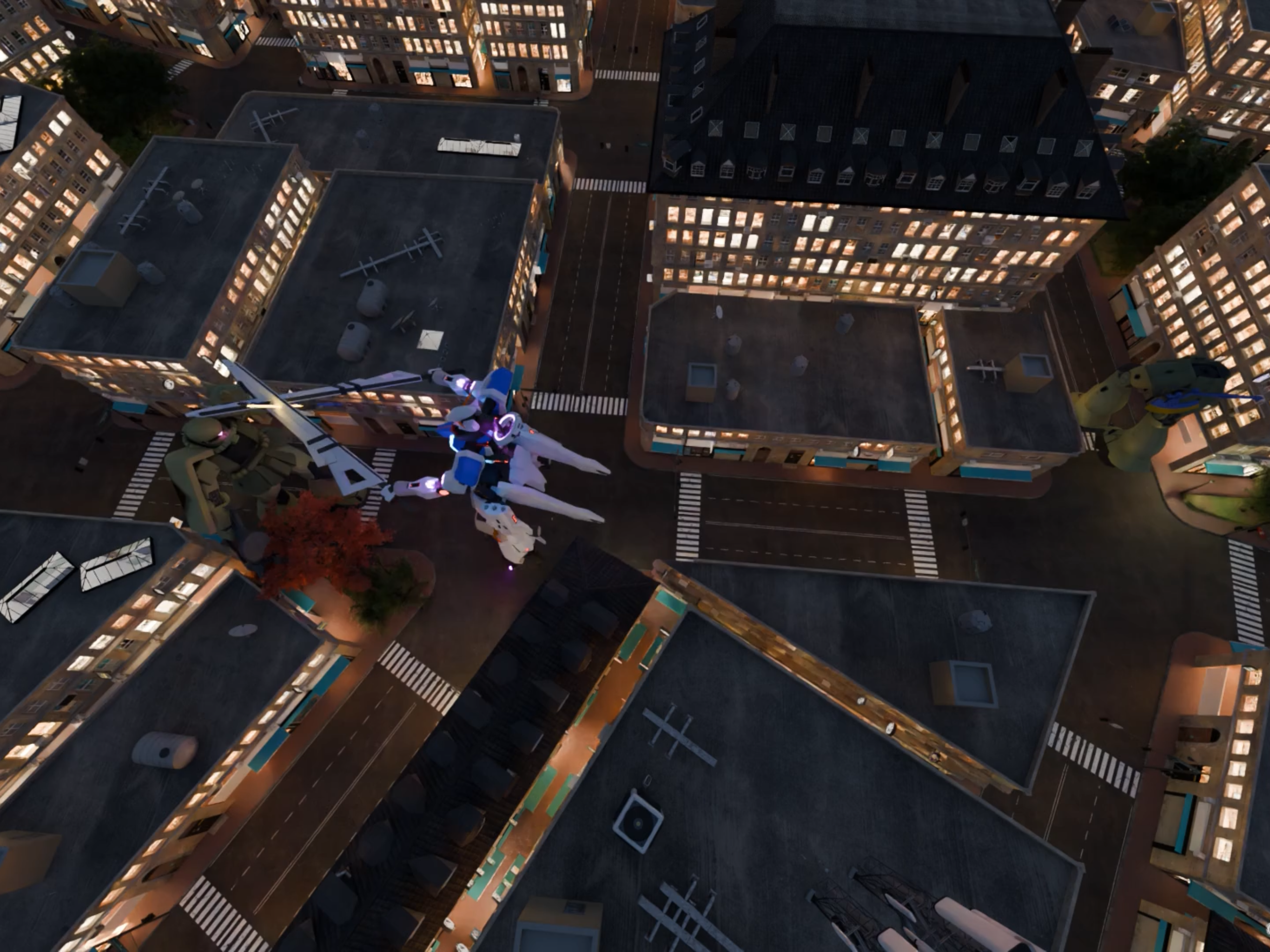
Clash of Blades
The twin buster swords collide against the Zaku II's heat hawk as the battle erupts across the city skyline.
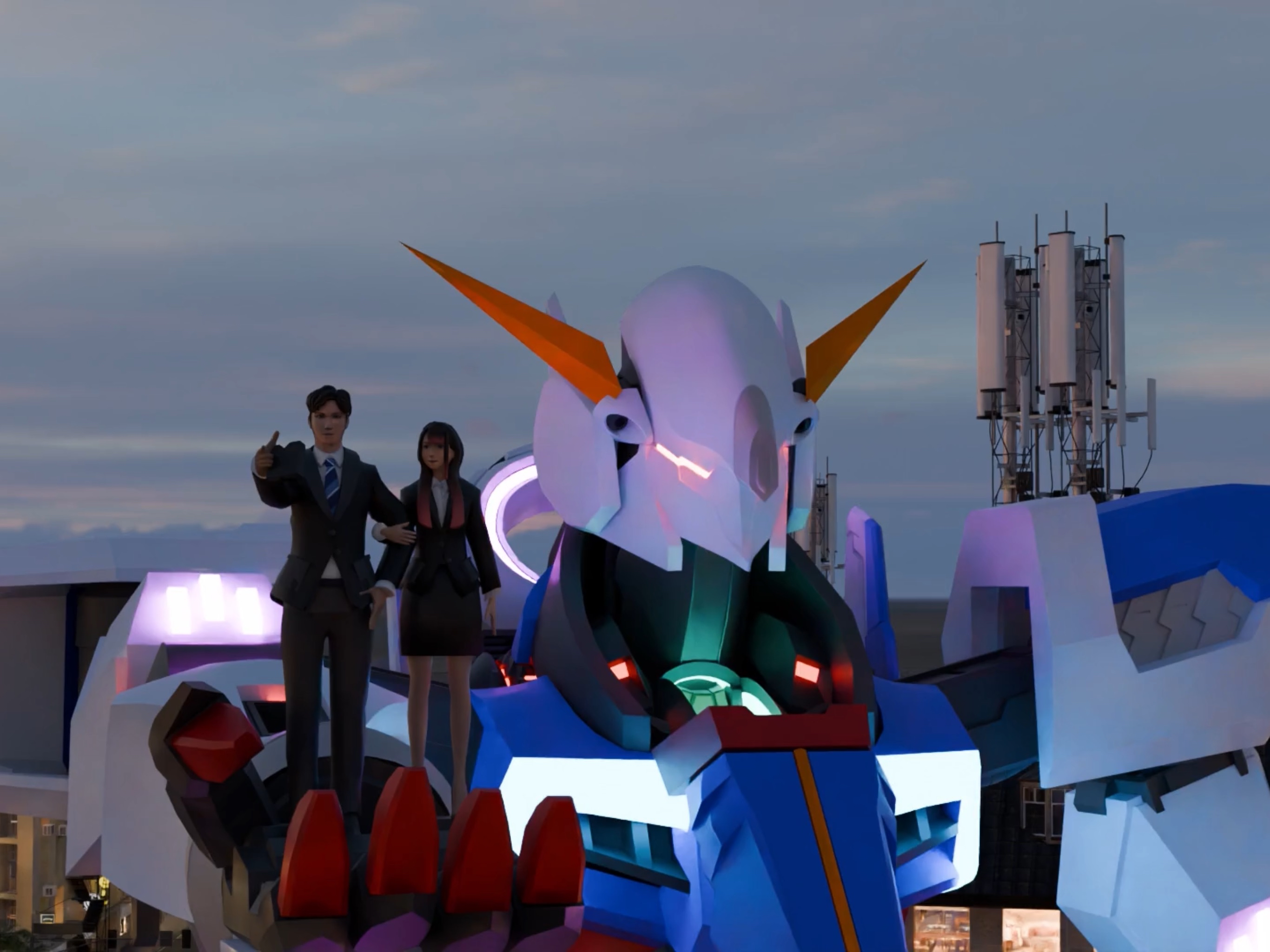
Final Scene
The closing cinematic shot concludes the animation, bringing together the project's mechanical design, environment, and storytelling.
18. Future Development
Ongoing ProjectFaelestial Gundam remains an active long-term project.
Future development plans include additional redesign work, updated fabrication methods, expanded animation sequences, improved rendering workflows, and more complete technical documentation.
The project has evolved significantly from its original form, but the core goal remains the same: create an original mobile suit that combines engineering thinking, artistic design, fabrication, and storytelling into a single body of work.
What began as a custom Gundam modification eventually became a personal archive documenting years of growth in design, fabrication, engineering visualization, and creative problem solving.
Key Skills Demonstrated Throughout This Project:
- Mechanical Design
- 3D Modeling
- Blender
- Digital Fabrication
- Resin Printing
- Silicone Mold Making
- Prototyping
- CGI
- Animation
- Rendering
- Creative Problem Solving
- Technical Documentation
- Long-Term Project Development
19. Development Archive
Gallery ArchiveClick any image to enlarge it and browse the archive.